

Marlboro Hills (Racuh A Payaman), South Batan Island
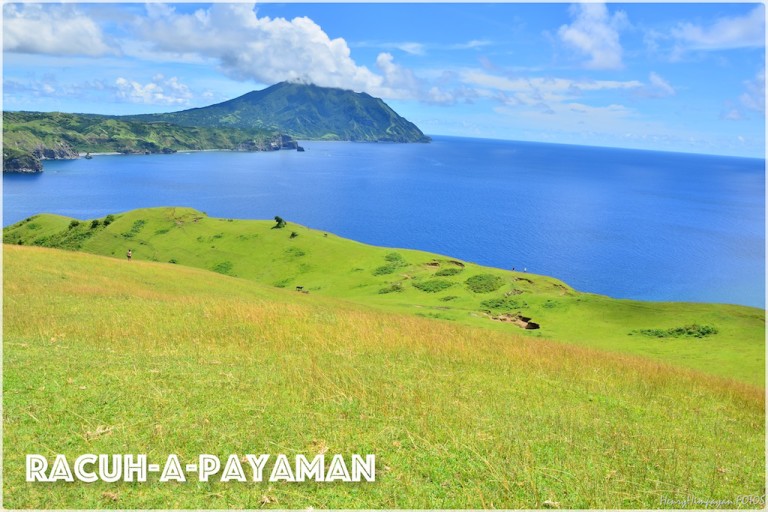
If there is a single image that has defined Batanes in the imagination of Filipino travelers, it is this one: rolling jade-green hills cascading down toward an impossibly blue sea, free-roaming horses silhouetted against a bruised sky, and an absolute absence of buildings, billboards, or noise. Racuh A Payaman—nicknamed “Marlboro Country” by locals in a nod to the famous cigarette advertisements filmed in wide-open American plains—delivers that image in real, overwhelming life. Located in the southern portion of Batan Island, the hills form part of the municipal territory of Ivana and are accessible via the island’s road network. Entry is subject to the standard eco-tourism fee collected as part of the provincial environmental levy (₱200–₱300 per person), and the site is typically included in guided North or South Batan tour packages.
The hills are genuinely free-range grazing land. Horses, cows, and water buffalo roam without fencing, and it is entirely normal to find yourself standing two meters from a completely unfazed horse while trying to photograph the ocean. The wind at Marlboro Hills is not a breeze—it is a sustained, powerful force that can reach 50 to 80 kilometers per hour on ordinary days. Hats must be secured or left behind entirely, and any loose equipment must be strapped down. The physical sensation of standing on the ridge with that wind pressing against you while looking down at sea cliffs disappearing into churning Pacific water is genuinely one of the most extraordinary natural experiences available anywhere in the Philippines. Sunrise and late-afternoon golden hour visits are strongly recommended—the quality of light at those times transforms the hills into a painter’s dream.
Marlboro Hills is almost always bundled into a South Batan Island guided tour, which also typically includes stops at the Songsong Ruins (a Spanish-era village destroyed by a typhoon), Nakabuang Arch in Valugan, Fundacion Pacita viewpoint, and Tayid Lighthouse. A full-day guided van tour covering south Batan costs approximately ₱2,000–₱3,500 per van (not per person), making it genuinely economical when split among a group of four to six travelers. Private trisikad (motorcycle sidecar) tours offer a more intimate but slower alternative for ₱1,200–₱2,000 per trisikad per half-day.
The best time to visit Marlboro Hills is between February and June, when the skies above Batanes are most likely to be clear and visibility stretches for dozens of kilometers in every direction. July through October is typhoon season, and while the hills remain technically accessible on non-storm days, visibility is often poor and wind conditions can make standing on exposed ridges genuinely dangerous. Basco Airport receives several flights per week from Manila—book at least four to six weeks in advance during peak season (March to May) as seats fill rapidly. Arriving by late morning allows you to complete the south Batan circuit and still reach the hill viewpoints during the golden afternoon light.
Chavayan Village & Sabtang Island Heritage Tour, Batanes
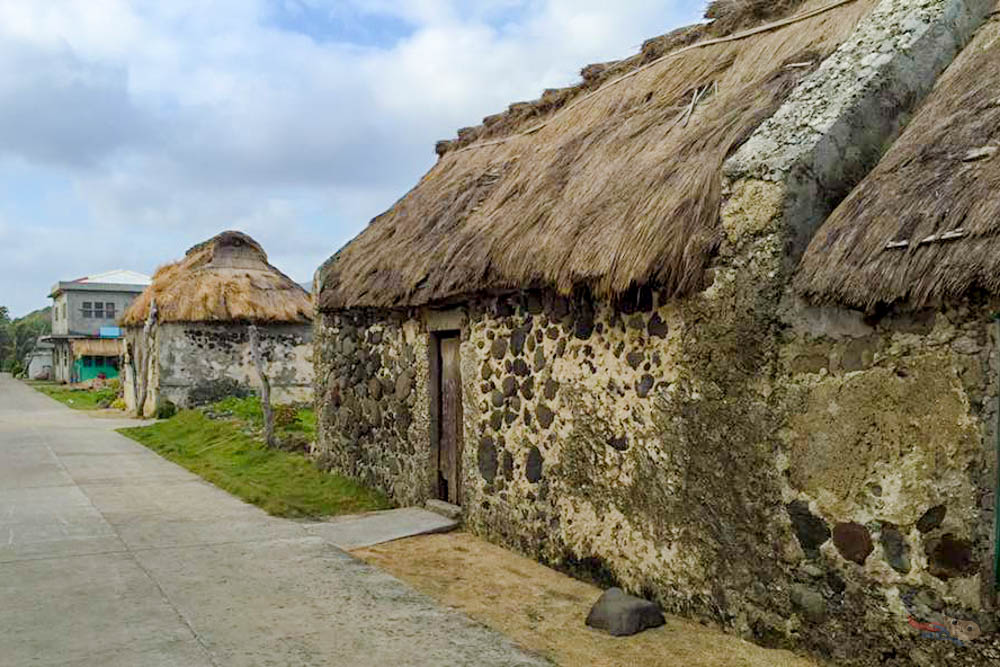
Sabtang Island is a 45-minute to 1-hour boat ride from Ivana Port on the southern coast of Batan Island, and the journey itself serves as your first introduction to the island’s raw character. The faluwa—a traditional Ivatan outrigger boat with a rounded bottom designed to ride Pacific Ocean swells rather than cut through them—rolls and pitches in ways that will make you grip the wooden bench with both hands while simultaneously marveling at the horizon. Sabtang is home to approximately 1,700 people and two of the most architecturally remarkable heritage villages in Southeast Asia: Savidug and Chavayan. Both are designated National Cultural Treasures by the National Historical Commission of the Philippines, and walking their narrow stone-paved streets is the closest most Filipinos will ever get to stepping through a time portal into the 17th century.
The stone houses of Chavayan are not decorative heritage facades—they are fully functional, lived-in family homes that have withstood centuries of typhoons, earthquakes, and relentless Pacific wind. Constructed from thick limestone blocks quarried from the island itself, bound with a mixture of mud and lime, and topped with steeply pitched roofs of tightly layered cogon grass up to 60 centimeters thick, these structures are engineering marvels of vernacular architecture. The walls are typically 50 to 80 centimeters thick, and the small window openings are deliberately narrow to minimize wind penetration during storms. Women wearing the traditional vakul—a helmet-shaped rain hat woven from voyavoy palm leaves that has been used for centuries as protection against rain, wind, and sun—can sometimes be seen moving through the lanes, creating scenes of breathtaking authenticity that no staged cultural show could replicate.
The round-trip boat fare from Ivana Port to Sabtang costs approximately ₱250–₱400 per person (subject to seasonal rate adjustments). Once on Sabtang, a trisikad tour covering Chavayan, Savidug, Sinakan, the Sabtang Lighthouse, Nakabuang Beach, and other scenic points costs ₱800–₱1,200 per trisikad for a full circuit. Meals on the island—typically fresh grilled fish, Ivatan rice dishes, and root vegetables—are available at community-run eateries near the port for ₱150–₱250 per meal. Simple homestay accommodation is available for those who wish to spend the night on Sabtang (₱500–₱1,200 per person per night) and is highly recommended, as the island at night—without light pollution, with the sound of the Pacific all around—is an extraordinary sensory experience.
The boat schedule from Ivana Port to Sabtang is subject to sea conditions and is managed by the local Coast Guard. During bad weather or rough seas, the ferry is suspended entirely for safety reasons—this happens frequently, especially between July and November. Travelers should plan their Sabtang day at least two to three days before their departure from Batanes to allow for one cancellation buffer. The island has no ATM and extremely limited mobile signal; bring enough cash and a fully charged power bank. The most photographically rewarding time to visit Sabtang’s stone villages is during the soft morning light between 7:00 AM and 10:00 AM, when the limestone walls take on a warm golden glow and foot traffic from other tour groups is minimal.
Basco Lighthouse & Naidi Hills, Basco, Batanes
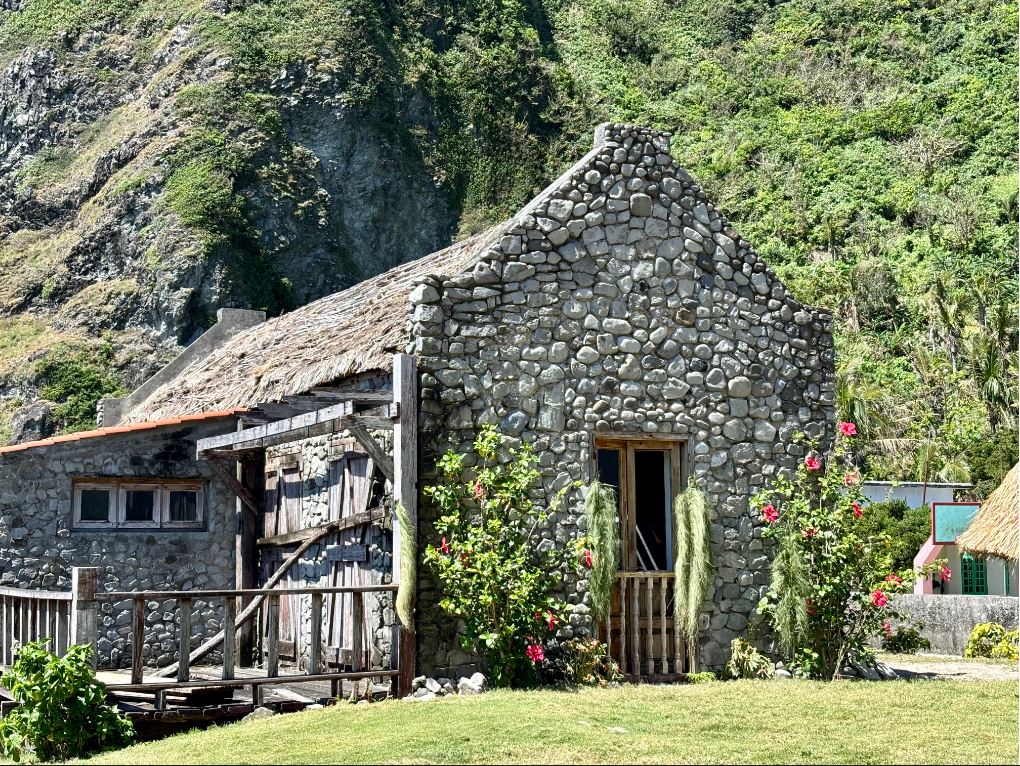
The Basco Lighthouse, officially known as the Cape Basco Lighthouse, sits atop Naidi Hills in the heart of Basco town—a short 10-to-15-minute uphill walk or trisikad ride from the town center. Built in 1994, it may lack the colonial antiquity of the Tayid Lighthouse to the south, but what it offers in exchange is a 360-degree panoramic vantage point over the entire northern section of Batan Island, the cobalt expanse of the West Philippine Sea to the west, the Pacific stretching east, and on exceptionally clear days, the distant silhouette of Taiwan’s southernmost islands to the north. The Naidi Hills themselves are lush, flowering, and fragrant with a botanical garden of native Batanes flora that has been developed by the local government to enhance the area’s beauty and educational value for visitors.
The walk up Naidi Hills from the Basco town plaza is one of the most accessible and rewarding activities in all of Batanes. The path winds through a garden of native trees and flowering shrubs, past small devotional shrines, and up to the lighthouse compound, which is surrounded by a low stone wall with a small viewing terrace. Entry to the lighthouse area is free, and the only cost is the small environmental fee included in the provincial eco-tourism levy already collected upon arrival at the airport. This makes it one of the few completely free attractions in a destination where most activities carry some cost. In the late afternoon, the golden Pacific light floods the hilltop, and local families gather here to watch the sunset in a scene of quiet communal beauty that is one of the most memorable sights in all of Batanes.
Basco itself is a compact, walkable town where most guesthouses, restaurants, the public market, and the Basco Cathedral are within easy walking distance. Accommodation in Basco ranges from very simple guesthouses (₱800–₱1,500 per night for a basic room with fan) to mid-range options with air conditioning and private bathrooms (₱2,000–₱4,000 per night). Meals at local eateries near the public market are among the most economical in Batanes—a full rice meal with fish, vegetables, and soup typically costs ₱150–₱250. The public market is also the best place to purchase packaged local products such as dried dibang (flying fish), lunis vacuum packs, and Ivatan woven goods at genuine local prices without the tourist markup of airport souvenir shops.
Naidi Hills and the Basco Lighthouse are best visited at either dawn or dusk. Dawn visits—arriving at approximately 5:30 AM—often reward travelers with dramatic low-lying mist over the hills and the spectacle of the Pacific turning from silver to gold as the sun rises over the horizon. Sunset visits are social affairs, with locals and tourists alike gathering for the view. Getting to and from Naidi Hills is easy via trisikad for approximately ₱50–₱100 per ride from the town center, or the moderately steep walk takes about 15 to 20 minutes on foot. Because Naidi Hills is within walking distance of Basco’s town center, this is the ideal first-evening activity when you arrive in Batanes and still have daylight to spare before settling in.
Vayang Rolling Hills, North Batan, Batanes

While Marlboro Hills on the south end of Batan Island has captured the lion’s share of travel photography glory, Vayang Rolling Hills in the north offers an experience that many returning visitors argue is even more dramatic. Located near the village of Imnajbu in northern Batan, the Vayang Hills are characterized by gentler, more rounded ridgelines that slope down toward sheer cliffsides overlooking the Pacific Ocean to the north and northeast. The scenery here is dominated by a deep, layered blue sea that stretches uninterrupted toward Japan, a sky that shifts from lavender to gold during the late afternoon, and a foreground of vivid green grass combed flat by the consistent northerly wind. Mount Iraya, Batan Island’s active volcano, looms dramatically to the east and serves as a constant reminder of the geological forces that created these islands.
The North Batan tour circuit typically includes Vayang Hills alongside the Imnajbu Viewpoint, the Batanes Idjang Heritage Site (ancient pre-colonial stone fortification settlements perched on flattopped hills), Diura Fishing Village, and Homoron Blue Lagoon. Diura Fishing Village is particularly worth lingering in—it is a working community of Ivatan fishermen who launch their tataya (smaller fishing boats) from a rocky black-sand beach, and watching the early morning launch of these boats against the backdrop of sea cliffs and ocean mist is one of the great unscripted scenes of Batanes travel. The whole north circuit tour takes a full day comfortably and covers the most dramatic cliff-and-sea scenery on the island.
A guided north Batan van tour costs approximately ₱2,500–₱4,000 per van for the full day, and splitting the cost among a group of four to six people makes it financially very manageable. The north circuit is typically combined with the east coast or split over two half-days depending on your guide’s schedule and weather conditions. Accommodation recommendations for travelers focused on north Batan sightseeing still center on Basco town (the island’s only real hub), where a range of guesthouses from basic fan rooms (₱800–₱1,500/night) to mid-range air-conditioned rooms with private bath (₱2,500–₱4,000/night) are available.
The ideal time to visit Vayang Rolling Hills is during the months of February to May, when northeastern monsoon winds have subsided enough to make cliff-edge exploration safe and comfortable, and the hills are at their most lush green from winter rains. In June, the grass begins to brown slightly as the dry season intensifies, and the hills take on a more golden-tawny hue that has its own photographic appeal. Bring windproof outer layers regardless of the season—temperature at sea level may be warm at 25°C–28°C, but the windchill on exposed hilltops can feel dramatically cooler. A wide-brimmed hat with a chin strap (or simply a baseball cap you hold firmly) and sunscreen are non-negotiable.
Valugan Boulder Beach, Basco, Batanes

Valugan Boulder Beach on the northeastern coast of Batan Island is one of the most geologically fascinating and visually distinctive shorelines in the Philippines. Unlike the white-sand beaches that define most Philippine coastal destinations, Valugan is composed entirely of enormous rounded volcanic boulders—some as large as a meter in diameter—that have been tumbled and smoothed over millennia by the relentless force of Pacific Ocean waves. These boulders originated from the volcanic activity of Mount Iraya, Batan’s active stratovolcano, and were carried to the coast by ancient lava flows and subsequent erosion. The result is a beach that looks less like a tropical shoreline and more like a giant’s marbles scattered across a black-sand cove—an otherworldly spectacle that draws photographers and geology enthusiasts as powerfully as it draws casual sightseers.
Walking across the boulder beach is an experience in itself—the stones shift and roll underfoot, demanding balance and care, and the thunderous crashing of Pacific swells against the outer boulder field sends spray flying in arcs of silver mist that catch the afternoon light beautifully. Swimming is not advisable at Valugan due to the powerful surf and submerged rock hazards, but sitting on the upper boulder shelf and watching the ocean perform its eternal, roiling assault on the shore is deeply meditative. The sound alone—a deep, rhythmic percussion of water on stone—is unlike anything else in the Philippine archipelago. A small viewing area with a concrete bench and information signage has been installed near the beach entrance for visitor orientation.
Valugan Boulder Beach is typically included in North Batan guided tour packages, meaning the marginal cost of visiting is zero if you’re already booking a north circuit tour at ₱2,500–₱4,000 per van. The beach is located approximately 3 kilometers northeast of Basco town center and can be reached by trisikad for about ₱100–₱150 round trip or by bicycle in roughly 15 to 20 minutes of pleasant coastal riding. There is no entrance fee. Nearby, the Honesty Coffee Shop at Ivana Port (one of Batanes’ most celebrated cultural landmarks) is worth combining into a half-day coastal circuit for an extremely economical outing.
The best time to visit Valugan Boulder Beach for photography is during the late afternoon when the sun is low and the boulders cast long shadows that emphasize the extraordinary texture of the stone field. Overcast days also produce beautiful, moody results with flattened light that eliminates harsh shadows and allows the full tonal range of the dark volcanic rocks to emerge in photographs. Wear sturdy footwear with ankle support when walking on the boulder field; sandals and flip-flops are genuinely unsafe on the shifting, uneven surface. Visiting during high surf periods (particularly between September and December) produces the most dramatic wave action—but maintain a safe distance from the water at all times as rogue waves are a documented hazard.
Batan Island South Tour Circuit, Batanes

The South Batan Island guided tour is the quintessential full-day Batanes experience and the itinerary most guides recommend for first-time visitors. It is the circuit that delivers the greatest concentration of Batanes’ most iconic landmarks in a single sweep, making it the highest-value guided tour on the island for the money. The route typically departs from Basco town in the morning and arcs southward along the island’s western and southern coastlines before looping back via the interior and east coast. Along the way, it visits Marlboro Hills (Racuh A Payaman), the Songsong Ruins, Tayid Lighthouse, Fundacion Pacita viewpoint, Rakuh’s Restaurant (the famous cliff-edge dining spot), San Carlos Church in Mahatao, the Mahatao Boat Shelter, Chawa View Deck, and often Valugan Boulder Beach on the return leg.
San Carlos de Borromeo Parish Church in Mahatao is one of Batanes’ most photographed landmarks. Built in 1797 during the Spanish colonial period, the church features the characteristic thick limestone walls, low-pitched roof, and sturdy bell tower of Ivatan colonial religious architecture—all designed to withstand Batanes’ ferocious typhoon seasons. The stone flooring, whitewashed walls, and heavy wooden doors create an interior of extraordinary simplicity and serenity. Adjacent to the church, the Mahatao Boat Shelter is an extraordinary example of functional Ivatan stone engineering—a long, arched stone structure used to protect the community’s fishing boats from typhoon winds, built in a style virtually identical to how boat storage has been done on these islands for centuries.
The complete south circuit van tour costs approximately ₱2,500–₱4,500 per van for a full day (8 to 10 hours), with the cost divided among all passengers in the vehicle. A group of five pays as little as ₱500–₱900 per person—one of the best value-per-experience ratios in all Philippine domestic travel. Lunch stops are typically at local eateries in Mahatao or Ivana, where a full meal of fresh grilled fish, rice, vegetables, and soup costs ₱200–₱350. Some guides include a stop at Fundacion Pacita even for non-guests; having a meal or coffee at its famous cliff-edge outdoor terrace runs ₱400–₱700 per person but the view is genuinely unmatched.
All licensed tour guides for Batanes are accredited by the Batanes Tourism Office and the Batanes Guide Association. Hiring an accredited guide is not merely recommended—it is functionally mandatory in many areas as local community regulations require visitors to specific zones to be accompanied by registered guides. When booking your tour guide through your guesthouse, confirm that they are a registered member of the Guide Association and ask for their accreditation card. Tours typically begin at 8:00 AM or 9:00 AM and return by 5:00 PM–6:00 PM. For solo travelers or couples visiting Batanes, asking your guesthouse to match you with other guests for a shared van tour is the single most effective way to reduce tour costs significantly.
Sabtang Island Full-Day Tour, Batanes
A full day spent entirely on Sabtang Island is the single most immersive cultural experience available in Batanes, and many travelers who do it describe it as the most powerful day of their entire journey. The complete Sabtang Island circuit—typically conducted by local trisikad drivers who double as informal guides—covers both Chavayan and Savidug heritage villages, the Sabtang Lighthouse at the island’s northern tip, Nakabuang Arch and Beach, Sinakan Village, and several coastal viewpoints along the western and eastern shores. The island is small enough that the entire circuit takes approximately four to five hours of leisurely driving and walking, leaving plenty of time to linger in the stone-paved lanes of Chavayan, sit with a cup of coffee at a community eatery, and truly absorb the extraordinary silence and beauty of this UNESCO-aspirational heritage landscape.
For travelers who wish to go beyond the surface-level photographic experience and engage more deeply with Ivatan culture, Sabtang is the right island. Local women here continue the practice of weaving vakul—the traditional Ivatan rain hat—and kanayi vests from voyavoy palm leaves, a craft that has been practiced continuously on these islands for documented centuries. Purchasing a vakul directly from a Sabtang weaver (approximately ₱800–₱2,000 depending on quality and complexity) is both a meaningful souvenir and a direct contribution to community livelihoods. Watching the weaving process is equally fascinating—the leaves must be harvested, softened, and woven in specific humidity and temperature conditions that Sabtang’s microclimate provides naturally.
The day tour logistics from Basco are straightforward: take a morning van or trisikad south to Ivana Port (approximately ₱50–₱100 per person by shared vehicle), board the faluwa ferry for Sabtang (₱250–₱400 round trip per person), and arrange your trisikad island circuit at the Sabtang Port upon arrival (₱800–₱1,200 per trisikad for the full circuit, typically carrying two people comfortably). Budget approximately ₱200–₱300 for lunch at a community eatery on the island. Your total day-trip cost from Basco and back, including all transport and food, typically falls between ₱1,500 and ₱2,500 per person depending on group size and trisikad negotiation.
The ferry schedule from Ivana Port depends entirely on sea and weather conditions, and the Coast Guard makes the daily call on whether the crossing is safe. On days when the sea is calm, ferries depart early morning (approximately 6:00 AM–7:00 AM) and make several round trips throughout the day. On rough-sea days, all crossings are suspended until conditions improve. This weather dependency means that serious travelers should allocate at least two full days in their Batanes schedule for the Sabtang crossing—one planned day and one weather-buffer day. Arriving at Ivana Port by 6:30 AM on your planned Sabtang day maximizes your time on the island and ensures you are on the earliest ferry before afternoon winds pick up.
Ivatan Food & Cultural Experiences, Batanes
The food culture of Batanes is one of the most distinctive and least explored aspects of Philippine cuisine, and spending deliberate time eating well in Batanes adds a dimension to the journey that pure sightseeing cannot replicate. Ivatan cuisine is shaped entirely by the island’s geography, climate, and the logistical reality of isolation: almost everything on the table is local, seasonal, and produced within the islands themselves. Root crops including gabi (taro), ube (purple yam), sweet potatoes, and cassava form the starchy backbone of the diet alongside rice. The surrounding Pacific Ocean provides a daily harvest of flying fish (dibang), grouper, tuna, squid, and the occasional lobster or sea crab. Pigs and chickens raised by local families supply meat, and the island’s characteristic preservation techniques—salt-curing, fat-preservation, sun-drying—developed historically as responses to typhoon isolation that could cut supply lines for weeks at a time.
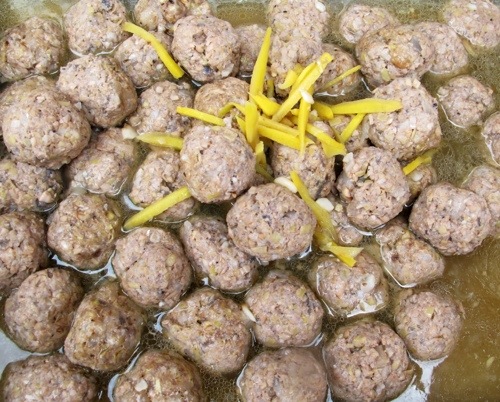
Lunis—the Ivatan version of preserved adobo—is the dish that most food travelers seek out first, and justifiably so. Pork cubes are slow-cooked in their own fat with salt and garlic until deeply caramelized, then stored submerged in rendered lard in clay jars where they keep for months without refrigeration—a technique that predates modern food preservation by centuries. The resulting flavor is concentrated, deeply savory, and extraordinarily rich in a way that standard adobo cannot match. Uvud Balls are equally remarkable—finely grated banana pith (the fibrous core of the banana stalk) mixed with minced pork or fish, local garlic, onions, and salt, rolled into firm balls, and simmered in a light, clear broth. The texture is surprisingly meatball-like despite the plant-based filler, and the flavor is clean, subtle, and completely unlike anything else in the Philippine food landscape. Vunung, yellow rice cooked with turmeric and often wrapped in breadfruit leaves for both cooking and serving, adds an herbal, earthy dimension to a meal that makes plain white rice feel uninspired by comparison.
Restaurants and eateries in Basco serving authentic Ivatan cuisine include a number of guesthouse-affiliated dining rooms that prepare home-cooked Ivatan meals for a set price of ₱250–₱450 per person for a full multi-dish spread. The Batanes Seaside Lodge and the Ivatan Lodge are particularly well-regarded for their Ivatan food. Street-level carenderias near the Basco public market offer the most economical Ivatan eating—rice, fish or pork dish, vegetable side, and soup for ₱150–₱250 per person. The Basco public market itself, open most mornings until approximately noon, is the most reliable source for packaged Ivatan food products including vacuum-sealed lunis, dried dibang, and vunung mixes that make exceptional edible souvenirs to bring home.
Beyond food, the Honesty Coffee Shop near Ivana Port stands as Batanes’ most celebrated cultural landmark. Operating entirely without staff, this small roadside shop—stocked with bottled drinks, local snacks, souvenir items, and pre-packaged Ivatan food products—functions entirely on the honor system: you select what you want, consult the price list, calculate your own total, and deposit the correct amount into a wooden money box. No surveillance cameras. No cashier. No verification. It has operated this way for years without meaningful theft, and it functions today as a living testament to the Ivatan community’s foundational value of honesty and collective trust. A cup of local brewed coffee and a piece of local kakanin rice cake at the Honesty Shop typically costs ₱50–₱100 total—one of the most meaningful ₱100 you will ever spend in the Philippines.
💰 6 Essential Money-Saving Tips for Visiting Batanes in 2026
Batanes is the most expensive domestic destination in the Philippines, but smart planning and local knowledge can dramatically reduce your costs without sacrificing the quality of your experience. Here are six proven strategies that experienced Batanes travelers use to stretch every peso further.
Philippine Airlines operates the primary (and often only) commercial air route between Manila and Basco, which means flight prices are subject to monopoly dynamics and can be extremely high during peak months. PAL runs regular seat sale promotions throughout the year, with Basco round-trip fares occasionally dropping as low as ₱4,000–₱6,000 during these events compared to the standard ₱12,000–₱18,000 range. Subscribe to PAL’s promotional email list, follow their social media accounts, and set Google Flights alerts for MNL–BSO routes. Booking six to eight weeks in advance during off-peak season (June–October, excluding typhoon risk) also yields lower base fares. Traveling mid-week (Tuesday–Thursday departures) typically costs less than weekend travel.
The single most effective cost-reduction strategy for guided tours in Batanes is sharing vehicles. A north or south Batan circuit van costs ₱2,500–₱4,500 per van regardless of passenger count, which means the per-person cost drops dramatically as you add passengers: four people pay ₱625–₱1,125 each versus a solo traveler paying the full ₱4,500. Most Basco guesthouses are accustomed to facilitating group matching for tours—simply tell your accommodation host on arrival that you’re looking to share a tour and they will connect you with other guests on the same schedule. Facebook groups dedicated to Batanes travel also regularly feature travelers seeking tour-share companions; search for “Batanes Travel Philippines” to find active communities.
Batanes has a vibrant network of family-run homestays and guesthouses that offer clean, comfortable rooms at ₱800–₱1,800 per night—significantly below the ₱3,000–₱6,000 rates of Batanes’ small number of boutique hotels. Beyond the cost savings, homestays offer cultural value that hotels cannot: you are living in an Ivatan family home, often eating home-cooked meals at the family table, receiving insider travel advice from hosts who have guided visitors for years, and supporting direct community income rather than corporate hospitality businesses. Book homestays directly via phone or Facebook message to avoid online platform booking fees that can add ₱300–₱600 to your accommodation cost per night.
The price gap between tourist-facing restaurants and local eateries in Basco is substantial. A full meal at a carenderia near the public market—garlic rice, a generous serving of fresh grilled fish or braised pork, a vegetable side dish, and a bowl of clear soup—costs ₱150–₱250. The equivalent order at a tourist-oriented restaurant in Basco costs ₱400–₱700 for similar or lesser quality. The Basco public market morning section is also the best place to buy fresh tropical fruit, local sweet potatoes, pandesal rolls, and bottled water at prices identical to or lower than Manila—allowing you to self-cater breakfast and packed lunches for tour days. Reserve restaurant dining for one or two special evening meals rather than every meal of the day.
The single most common and expensive mistake Batanes travelers make is booking a tight itinerary with no buffer for weather cancellations. When your Sabtang crossing gets cancelled due to rough seas—and there is a meaningful probability of this happening—a traveler with no buffer day either misses Sabtang entirely or panics trying to rebook flights. A traveler with a buffer day simply reschedules the Sabtang crossing and uses the cancelled day for the free Naidi Hills walk or a bicycle coastal ride. Budget the cost of one or two extra accommodation nights (₱800–₱2,000) into your Batanes budget from the beginning and mentally frame them as “flexibility insurance” rather than extra expense. The peace of mind this creates is worth every peso.
Not every movement in Batanes needs to be part of a guided tour. Basco town’s most popular free attractions—Naidi Hills, the lighthouse, the cathedral, the public market, and the coastal road to Valugan—are all accessible independently by bicycle (rental ₱350–₱500/day) or trisikad (₱50–₱100 per short ride). Reserving guided van tours exclusively for the multi-stop north and south Batan circuits—where a guide’s knowledge genuinely adds value—and independently exploring Basco’s immediate surroundings on two wheels or on foot is the most budget-conscious and enjoyable way to structure your time in Batanes. Cycling the coastal road past Valugan at sunrise costs nothing beyond your bike rental and delivers world-class scenery.
❓ Frequently Asked Questions About Traveling to Batanes
🇵🇭 Batanes Is Waiting—Plan Your Trip, Embrace the Wind, and Go
This guide has covered everything you need to travel Batanes with confidence in 2026: how to get there and what flights really cost, the complete tour circuits of Batan and Sabtang Islands, the landmark attractions from Marlboro Hills and Vayang Rolling Hills to the heritage villages of Chavayan and Savidug, the extraordinary Ivatan food culture built on centuries of isolation and ingenuity, the practical realities of cash, weather, and logistics, and the six most effective money-saving strategies for making this premium destination as accessible as possible. Batanes is expensive by Philippine domestic standards—there is no point pretending otherwise—but it is also, for a significant number of travelers, the finest domestic journey they have ever made. For even more Philippine travel inspiration, explore our guides to Siquijor, budget island hopping in Palawan, Samal Island, and the full list of top 20 budget-friendly destinations in the Philippines for 2026.
The key message of this guide is simple: plan thoroughly, budget realistically, build in buffer time, and then surrender to the pace of the islands. Batanes will not be rushed. The wind does not negotiate. The sea crossing happens when the sea permits it. The fog lifts when it is ready. Every traveler who has internalized this lesson and adjusted their expectations accordingly has left Batanes with something they did not entirely have before—a deeper patience, a broader perspective, and a reminder of what the natural world looks like when human development has not yet overwhelmed it. Check out our guide to the best solo travel destinations in the Philippines for 2026 for more ideas.
The rolling jade hills of Marlboro Country are waiting. The stone lanes of Chavayan are waiting. The Pacific horizon from Naidi Hills is waiting. The faluwa is ready to pitch and roll you across to Sabtang. The Honesty Coffee Shop has a cup of local brew ready for you to pour, price yourself, and pay on trust. This is Batanes—the last truly wild, truly honest, truly extraordinary corner of the Philippine archipelago. Book your flights, withdraw your cash, pack your windproof jacket, and go. Dios Mamajes. Mabuhay!








 Facebook
 Twitter