
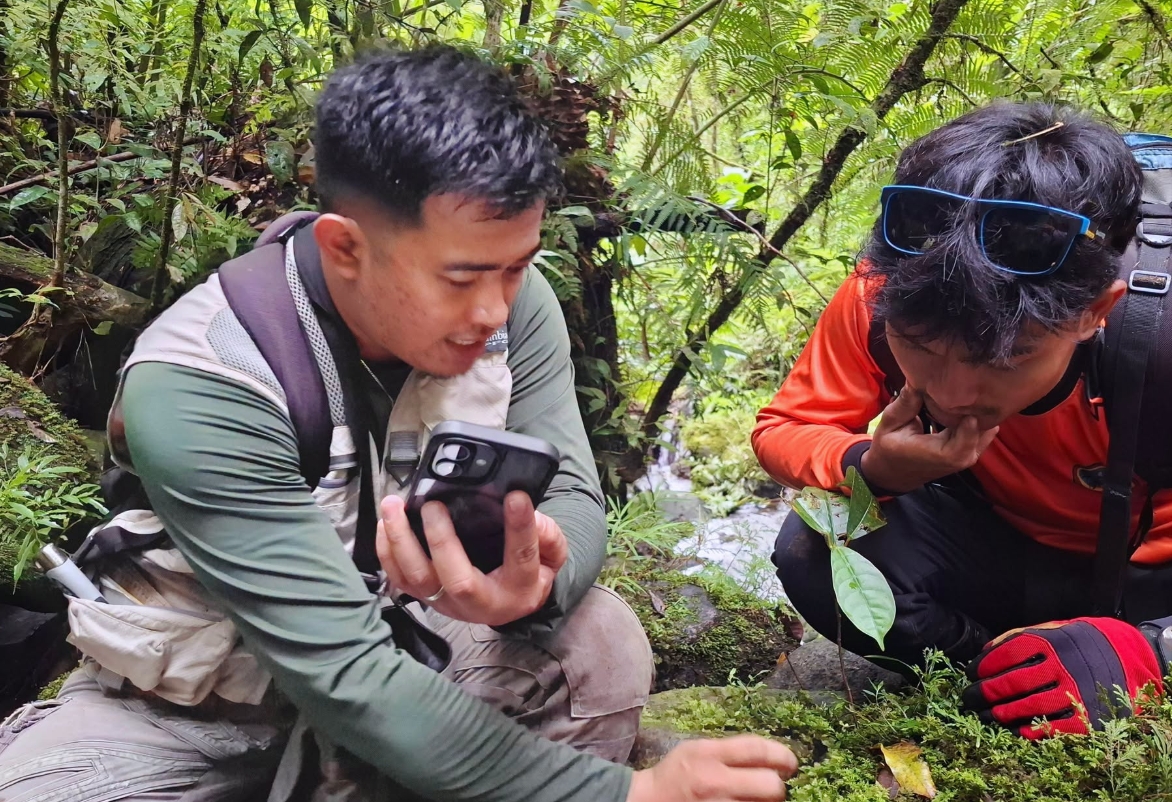
Altut Tuna Peak Treubia insigne has been documented in Davao del Sur, adding a new locality to the known Philippine range of the rare and sizable leafy thalloid liverwort. Treubia insigne is a non-flowering, non-vascular plant that typically forms flat green mats in moist, shaded environments, including stream banks and wet forest floors.
Have you ever come across Treubia insignis? This is a rare, sizable, and leafy thalloid liverwort. It is a non-flowering, non-vascular plant that forms flat green mats in moist, shaded environments such as stream banks and wet forest floors.
This species is notably larger and more visually striking than most other liverworts, characterized by a prominent central axis adorned with leaf-like lobes. It requires high humidity and shade, flourishing near small streams in thriving mountain rainforests. Its reproduction occurs through spores, and it can establish a distinctive symbiotic relationship with subterranean fungi.
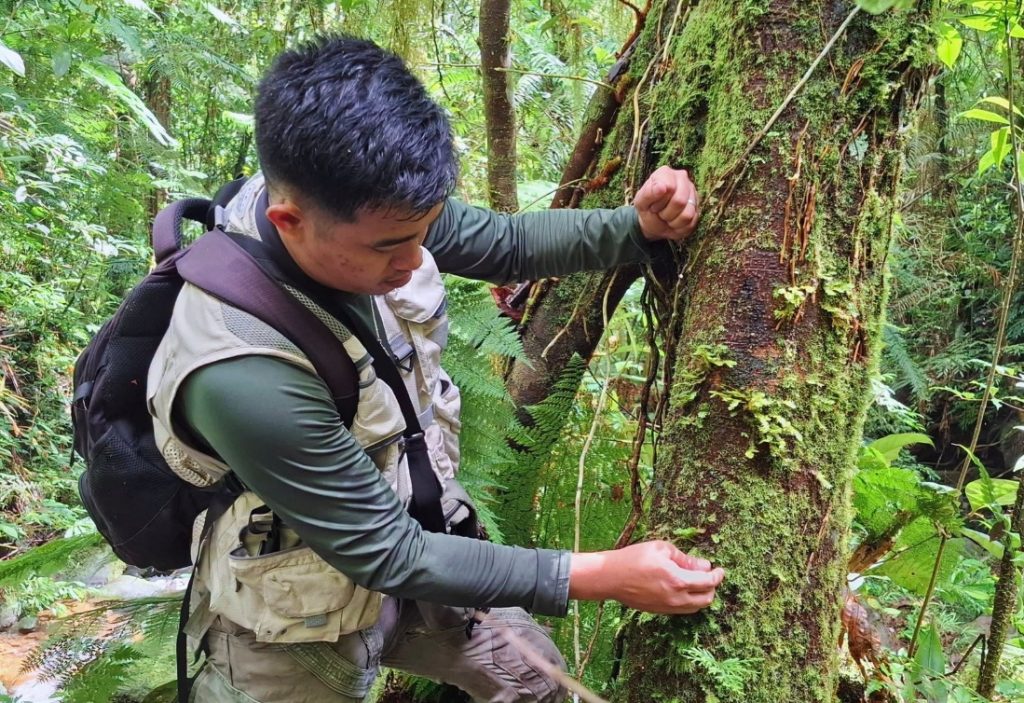
Photos taken from the Face account of DENR Davao Region
The species was initially documented in the Philippines in 1913 when botanist D.H. Campbell collected a specimen from Mount Banahaw in Luzon. For over a century, this was the only recorded instance of the species in the country until additional populations were identified in 2019, in Negros and various locations in Mindanao, including the Mt. Balatukan Range Natural Park in Misamis Oriental on January 19, 2023, and the Mt. Kalatungan Range Natural Park in Bukidnon on February 7, 2023.
Botanists have rediscovered it in the southern Philippines, with recent observations in pristine montane forests within Davao del Sur, particularly at Altut Tuna Peak in sitio Datalfitak, barangay Colonsabac, Matan-ao, Davao del Sur.
The Department of Environment and Natural Resources (DENR), through the Community Environment and Natural Resources Office (CENRO) Digos, offered technical support during a scientific expedition conducted from July 3 to 8, 2026.
“The recent documentation at Altut Tuna Peak further expands the known localities of Treubia insignis in Mindanao,” the Davao regional office said. “The species is associated with shaded and humid riparian habitats within relatively intact forests, making its presence an important indicator of the ecological value of these montane and streamside ecosystems.”
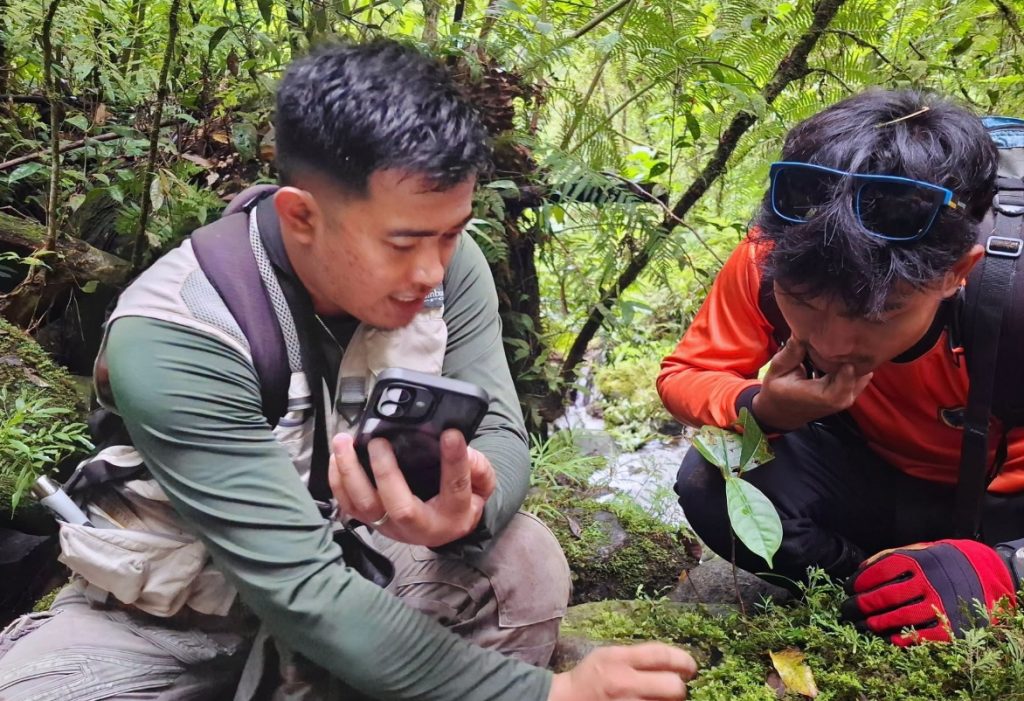
Photos taken from the Face account of DENR Davao Region
The scientific expedition that recorded the species included bryologists from the University of Southeastern Philippines, Central Mindanao University, Bukidnon State University, and the California Academy of Sciences, with technical support from DENR-CENRO Digos.
This expedition further identified over two hundred species of bryophytes in Altut Tuna Peak, with Treubia insignis being the most significant find in this collection, highlighting the exceptional biodiversity of the site and its potential role as a habitat for rare species.









 Facebook
 Twitter