
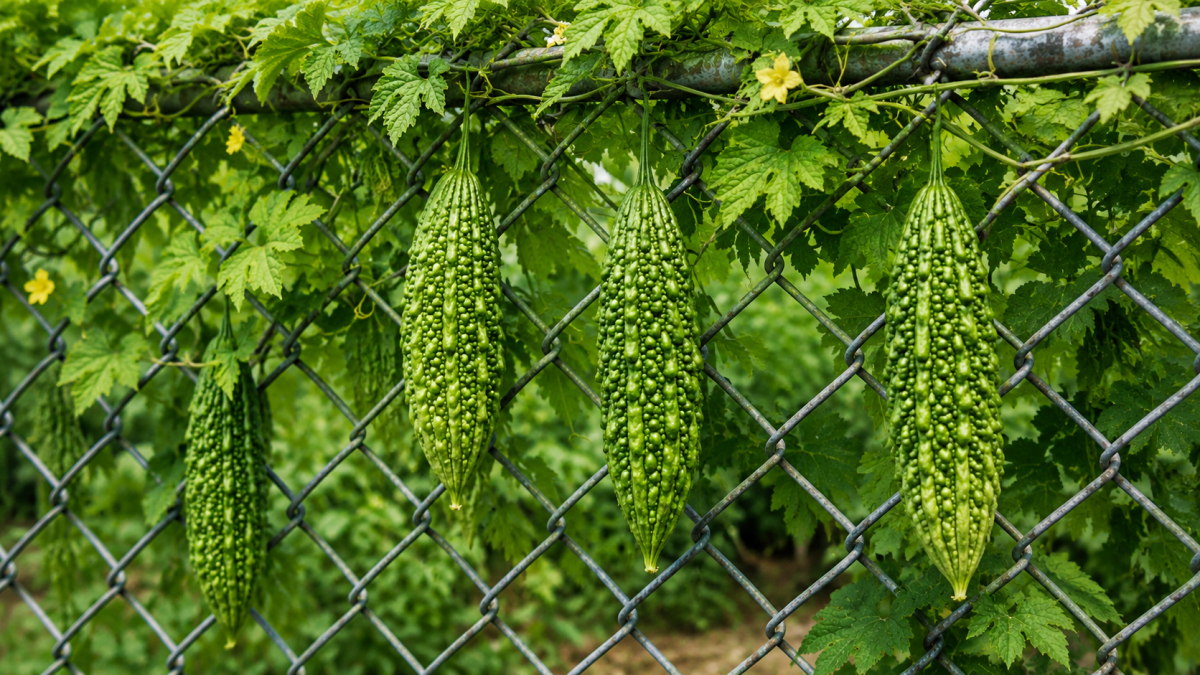
Ampalaya tablets for diabetes are drawing attention in the Philippines as researchers explore a potential plant-based approach to managing type 2 diabetes. Scientists from the Institute of Herbal Medicine (IHM) of the National Institutes of Health (NIH) at the University of the Philippines Manila have developed a tablet derived from ampalaya, or bitter melon, as part of efforts to explore new options for people living with the condition.
What was once considered a disease primarily affecting industrialized nations, diabetes is now increasingly prevalent in the Philippines. The International Diabetes Federation (IDF), which serves as an umbrella organization for national diabetes associations across 170 countries and territories, forecasts that by 2030, five million Filipinos will be diagnosed with diabetes, with this figure expected to rise to seven million by 2045.
Actually, there are two distinct types of diabetes, according to the Mayo Clinic. Type 1 diabetes, previously referred to as juvenile diabetes or insulin-dependent diabetes, is a chronic condition characterized by the pancreas producing little to no insulin.
Insulin is a crucial hormone that the body requires to facilitate the entry of sugar (glucose) into cells for energy production.
Type 2 diabetes occurs when the body is unable to utilize insulin effectively, leading to an accumulation of sugar in the bloodstream. This type was formerly known as adult-onset diabetes.
“Over time, high blood sugar levels in type 2 diabetes can damage the eyes, kidneys, nerves and heart,” the Mayo Clinic states. “This can happen because the pancreas doesn’t make enough insulin that helps sugar enter the cells. It happens also because the cells respond poorly to insulin by taking in less sugar.”
Both type 1 and type 2 diabetes can manifest in both childhood and adulthood. Type 2 diabetes is more prevalent among older people. However, the rising incidence of obesity in children has resulted in an increase in young people diagnosed with type 2 diabetes.
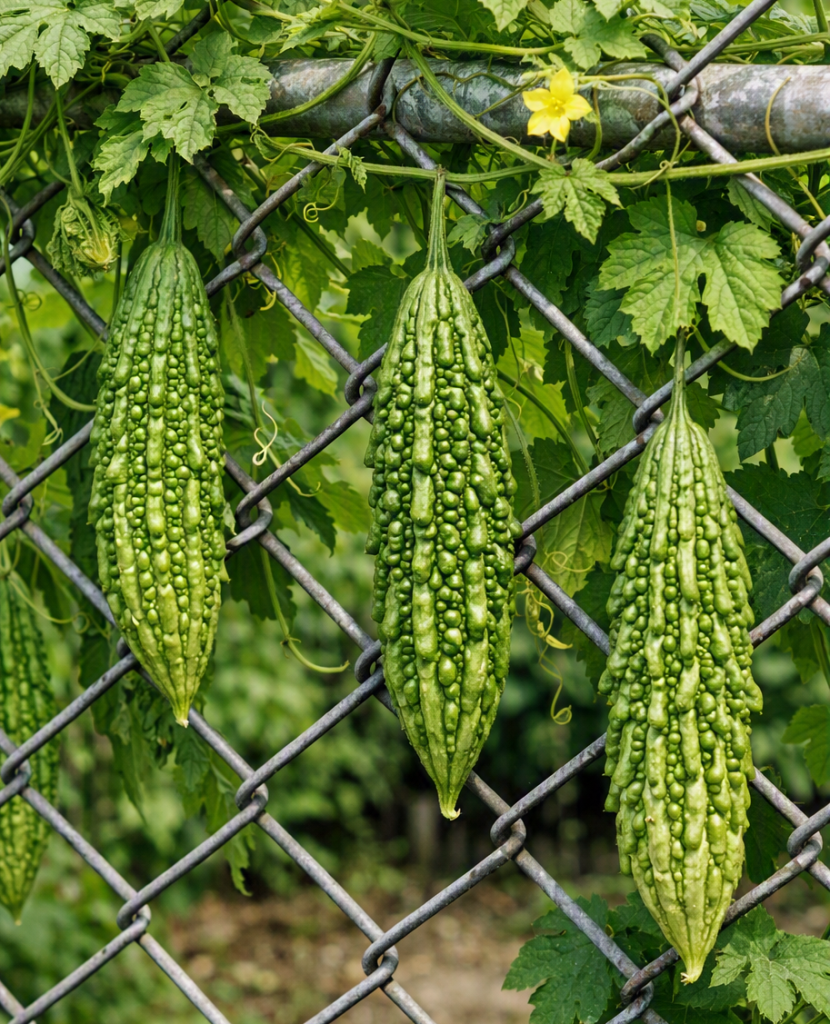
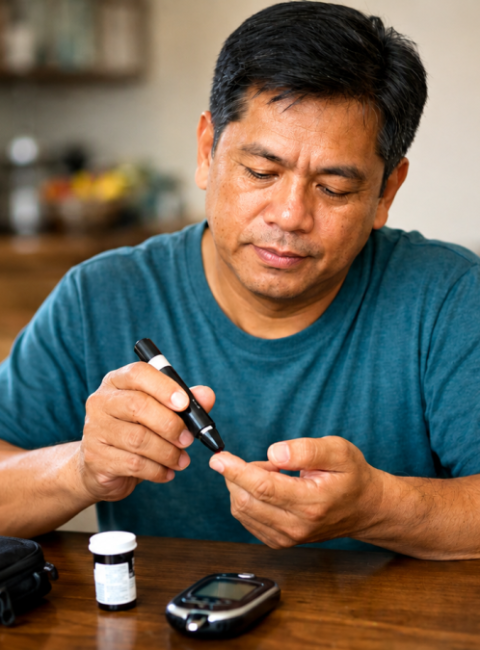
Currently, there is no cure for type 2 diabetes. Weight loss, a balanced diet, and regular physical activity can assist in managing the condition. If lifestyle changes are insufficient to control blood sugar levels, medications for diabetes or insulin therapy may be beneficial.
Recently, researchers at the Institute of Herbal Medicine (IHM) within the National Institutes of Health (NIH) and the University of the Philippines Manila have announced the creation of a tablet derived from ampalaya (bitter melon) for the management of type 2 diabetes.
The tablet, which is based on the Momordica charantia plant, is presented as a scientifically validated herbal remedy, providing a natural option for regulating blood sugar levels.
Professor Daisy-Mae A. Bagaoisan, a registered pharmacist and research assistant professor at IHM, emphasized the increasing global issue of diabetes, particularly type 2 diabetes, especially in low and middle-income nations such as the Philippines. The ampalaya tablet is intended to enhance existing treatment options for managing this condition.
The ampalaya drug tablet is made from powdered ampalaya leaves, which are recognized for their potential to lower blood sugar levels.
Clinical trials, covering phases 1 through 3, revealed that the tablet significantly lowers fasting plasma glucose by the third week of treatment and reduces glycosylated hemoglobin after 12 weeks. These findings are reportedly similar to those obtained with glibenclamide, a widely used medication for managing type 2 diabetes.
“Our studies have shown that the ampalaya drug tablet can produce a significant reduction in blood sugar levels, comparable to the drug glibenclamide,” Prof. Bagaoisan explained.
“The tablet has undergone rigorous clinical trials (phases 1 to 3) and has been found to effectively reduce fasting plasma glucose by the third week of treatment and decrease glycosylated hemoglobin after 12 weeks,” she added.
The formulation of the ampalaya drug tablet adheres to the guidelines set forth by the World Health Organization. It maintains stability at room temperature for a minimum of one and a half years.
Prof. Bagaoisan highlighted its safety profile, asserting that it is a suitable option for individuals seeking an herbal remedy with no known adverse effects.







 Facebook
 Twitter