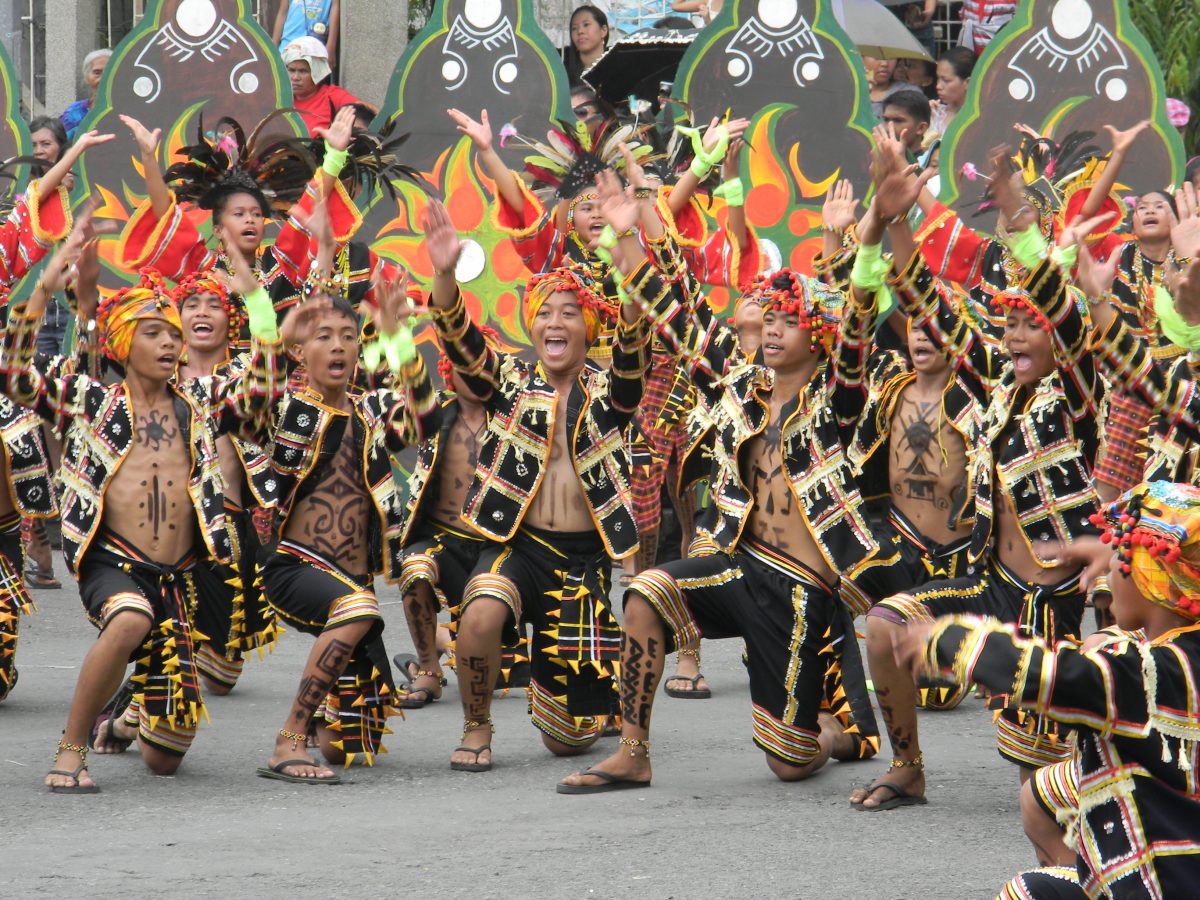
Kadayawan sa Dabaw Festival is Davao City’s annual harvest celebration that honors the region’s rich cultural heritage, indigenous communities, and abundant natural resources. Recognized as the “Mother of All Festivals in Mindanao,” the event brings together colorful street dances, floral floats, cultural performances, and thanksgiving activities that attract thousands of local and international visitors every August.
Davao City, the country’s biggest city in terms of land area, is renowned for its titles of royalty.
Mount Apo, which looms over the city, is referred to as the king of the nation’s mountains. The Waling-waling, an endemic species flourishing in the forests of Mount Apo, is celebrated as the queen of orchids. In fact, it has been named as the national orchid of the country.
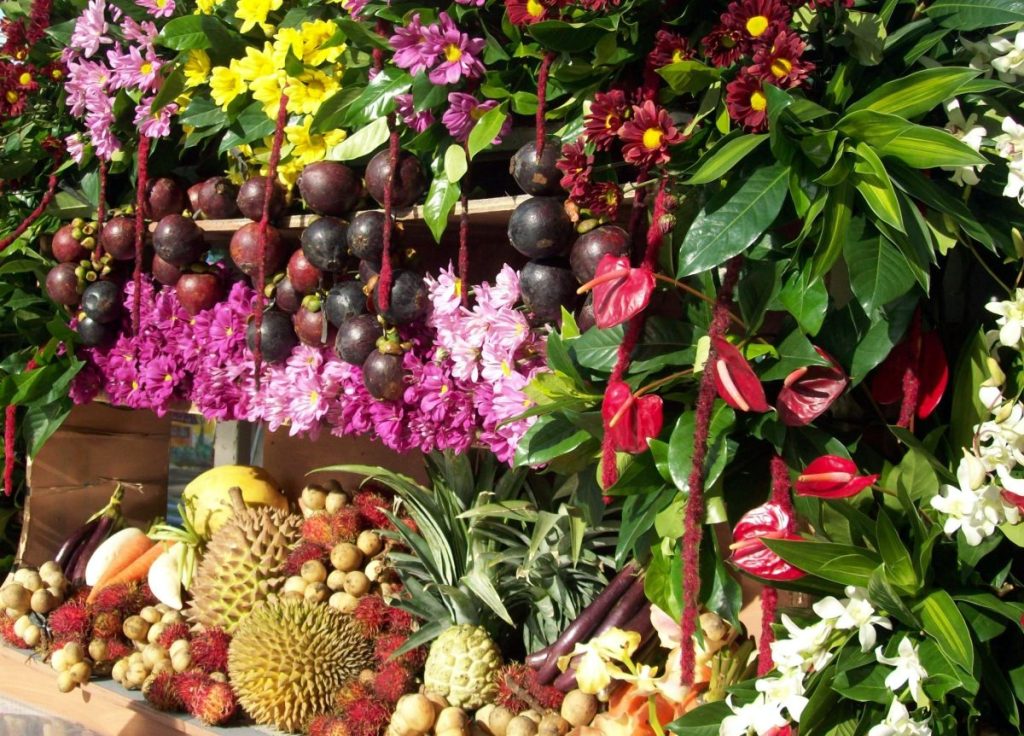
In addition, two fruits – durian and mangosteen – are honored with the titles king and queen of Philippine fruits, respectively.
Every August, the city also hosts what spectators refer to as “the mother of all festivals in Mindanao” – the Kadayawan sa Dabaw.
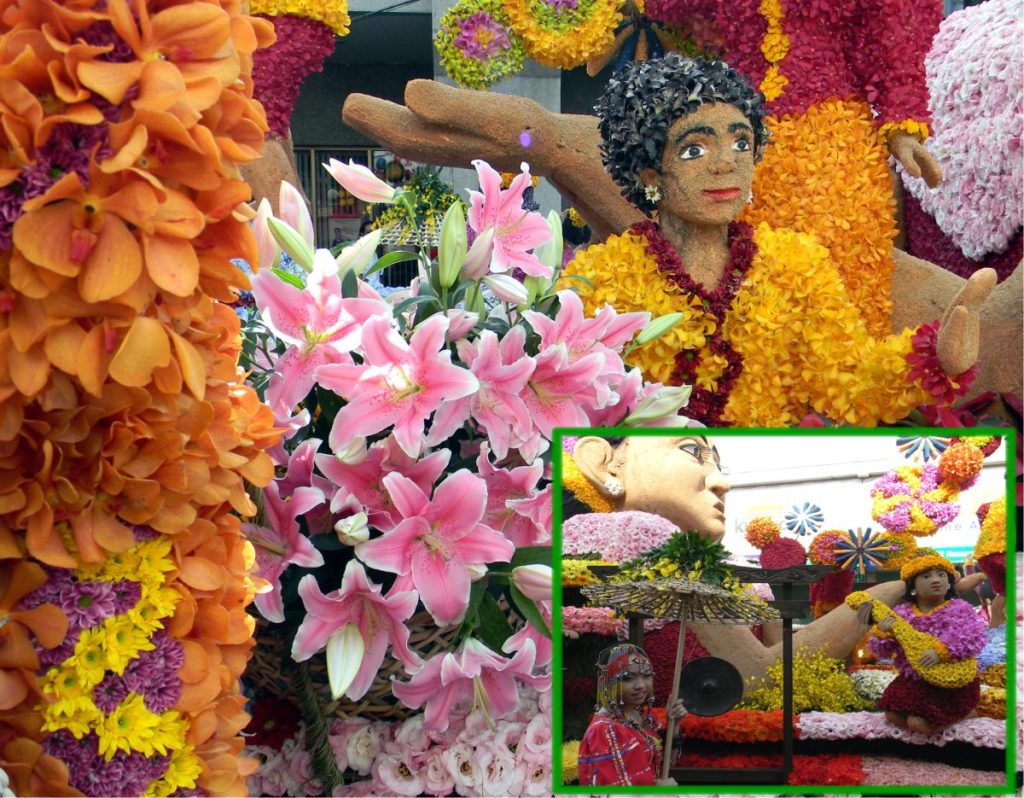
A former festival coordinator encapsulates the celebration with the following words: “Anticipate the Hiyas sa Kadayawan candidates to display their rich indigenous culture and traditions, the Indak-Indak sa Kadalanan groups conveying joy and festivity through choreographed and theatrical street dancing in the city’s main thoroughfares, along with a parade of floats adorned with flowers in various shapes and sizes, highlighting the bountiful harvest of fruits, flowers, and vegetables in Davao during the Pamulak Kadayawan.”
Last August 6, the celebration commenced with a Mass led by Archbishop Romulo G. Valles. This event was attended by local government officials, personnel from the Office of the Vice President-Southern Mindanao Satellite Office, and members of the community.
Vice President Sara Duterte-Carpio was present at the Mass and expressed her satisfaction with the festivities, referring to it as the country’s “King of Festivals.”
“Happy Kadayawan Festival,” Duterte was quoted as saying. She added, “Let us love the Philippines – for God, for the nation, and for every Filipino family.”
Davao City is noted for its eleven tribes, namely: Ata, Bagobo-Klata, Bagabo-Tagabawa, Matigsalug, Obu-Manuvu, Iranun, Kagan, Maguindananoan, Maranao, Sama, and Taosug.
Explains the Kadayawan Festival website: “Though diverse in cultures, traditions and beliefs, these tribes are very much connected by a common origin that binds them together as one and the same – an origin that traces to the very core of the history of Davao City.”
Actually, the celebration interfaces three aspects: tribal, industrial, arts and entertainment. It is a month-long celebration, but the third week is the most anticipated as the weekend is highlighted with floral floats and street-dancing competitions. Throughout the month, there are exhibits that showcase the island’s tourism products and services.
On August 16, Indak-Indak sa Kadalanan and Pamulak Kadayawan will be held.
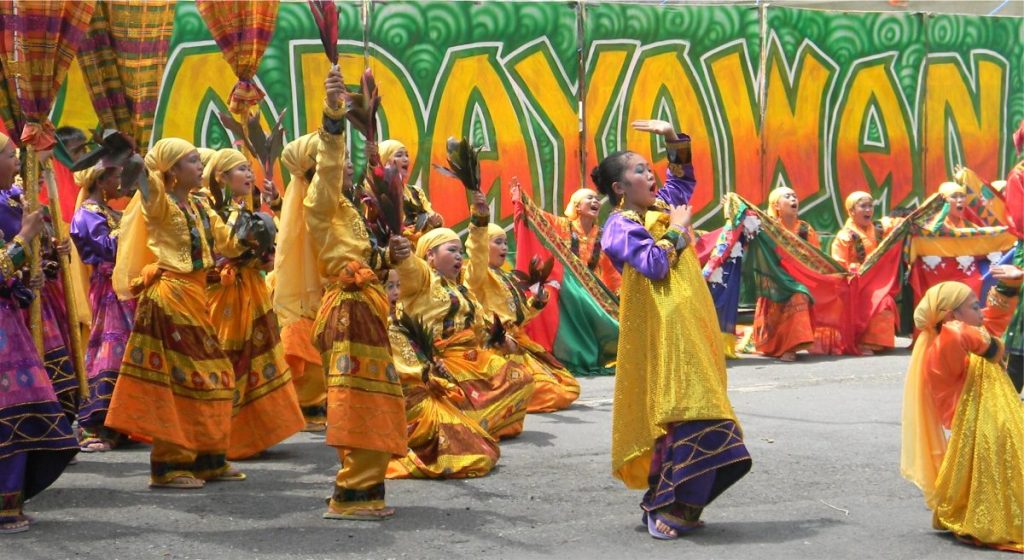
Street dancing has two main components: A parade, which normally takes place in the morning; and the showdown, which is done from the afternoon until evening.
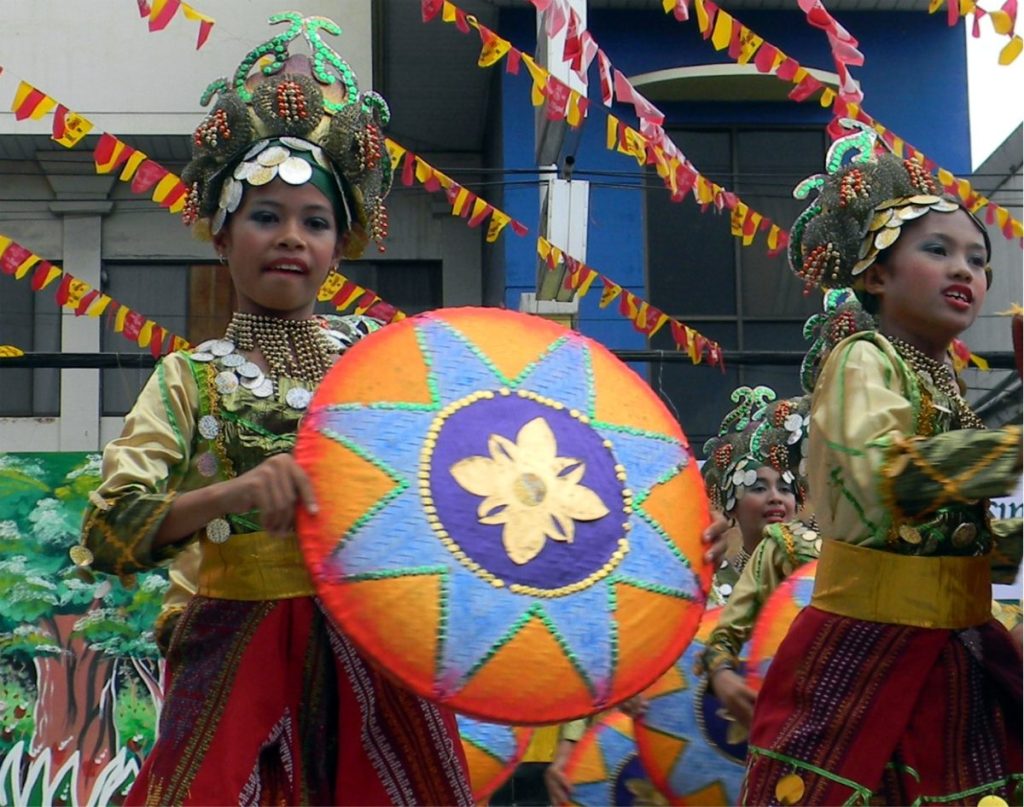
One pundit puts it: “The Indak-Indak sa Kadalanan is wildly popular because of the distinctively Mindanaoan beat and costumes. Several tourists come to Davao to watch hundreds of people dancing with vigor in the streets, clad in their native attire and carrying extravagant props that would give Hollywood studios a serious run for their money.”
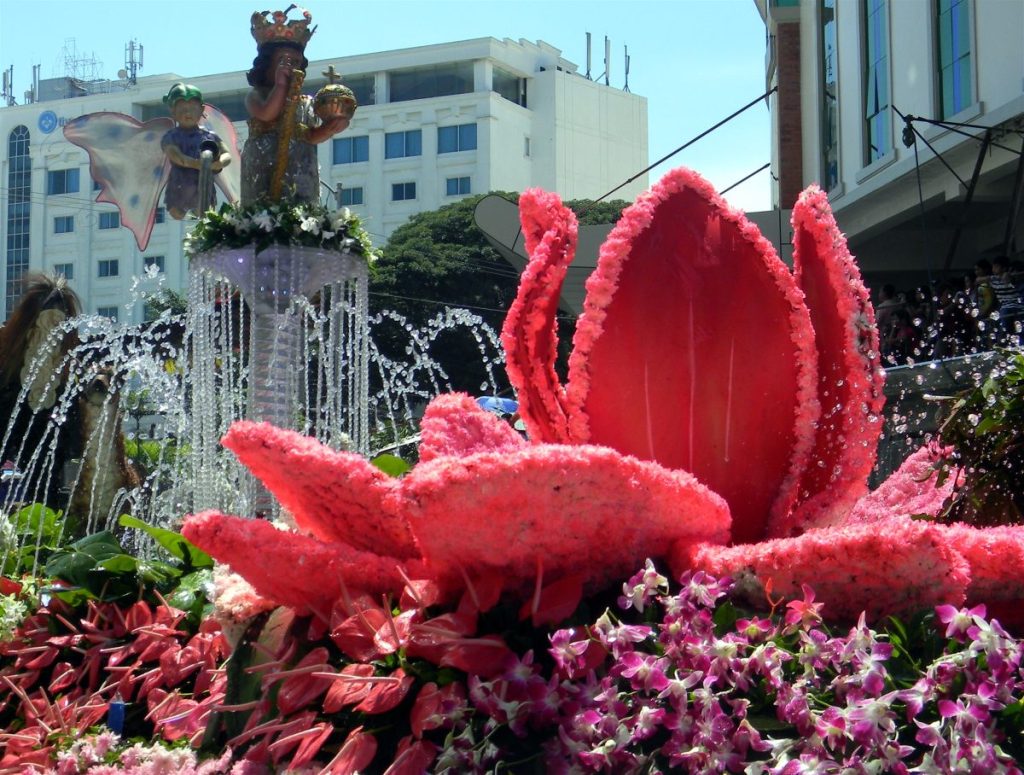
The Pamulak Kadayawan is a sight to behold as it is patterned after the Pasadena Parade of Roses in the United States – where flowers and fruits are set in colorful floats by business establishments, community assemblies and peoples’ organizations as they promenade on the streets symbolizing all the bounty sustainably enjoyed by the city’s residents.
Kadayawan sa Dabaw started in the 1988 when then Mayor Rodrigo Duterte renamed “Apo Duwaling” to “Kadayawan sa Dabaw.” Kadayawan is derived from the friendly greeting “Madayaw,” a term taken from a Dabawenyo word dayaw which means “good,” “valuable,” “superior” or “something that brings good fortune.”
In the early stage, ethnic tribes lived together harmoniously, in peace and friendship like the Bagobos, Mandayas, Manobos, Mansakas and T’boli and others. They were the ones who gave the province a name; Davao came from the word “daba-daba,” which means fire.
According to history, Davao’s ethnic tribes residing at the foot of Mount Apo would converge during a bountiful harvest. This ritual serves as their thanksgiving to the gods particularly to the “Manama” (the Supreme Being).
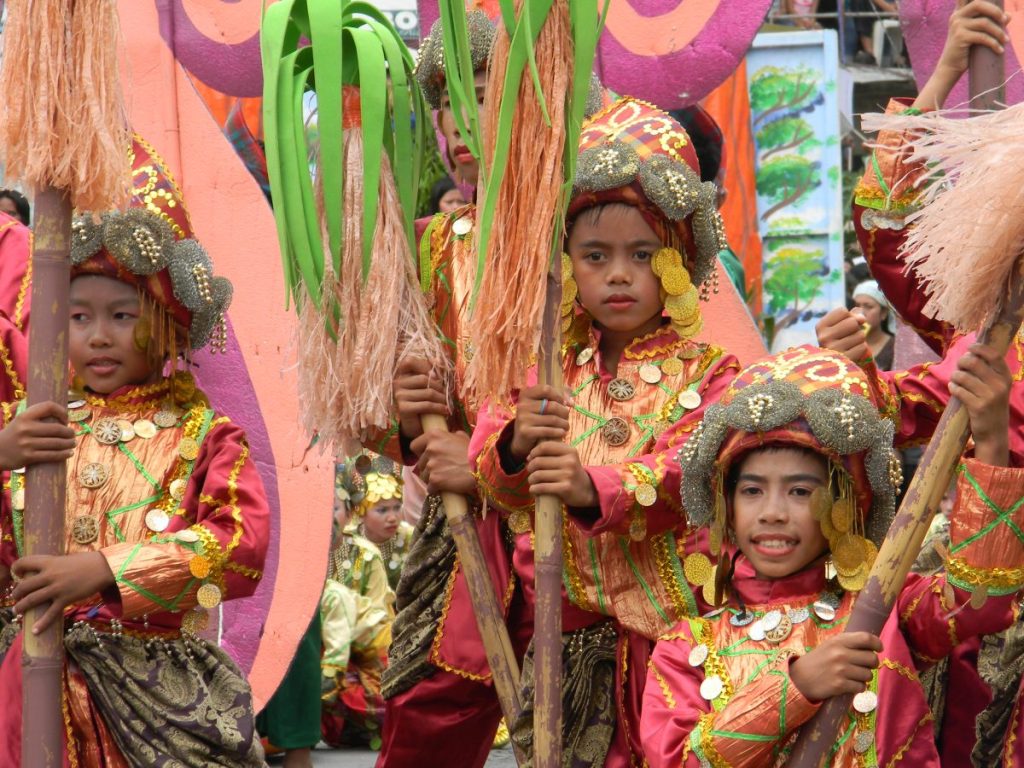
Although times have changed, this practice of thanksgiving (pahinungod in local dialect) is still very much practiced by modern day Dabawenyos. This tradition flourished and evolved into an annual festival of thanksgiving. And that’s how Kadayawan sa Dabaw came into existence.
Here’s what Dabawenyos will tell you about its festivity: “Kadayawan is an art form in itself. A festival perfect fit for a local government that tries to position itself as the cultural capital of the Philippines. This is the best time to catch the sights, the sounds, the colors and the scent all mixing together to encapsulate the rich diversity of a place which was long ago described as the garden of the gods.”
This year’s theme is “We Are One, KadayaONE.”


 Facebook
 Twitter