
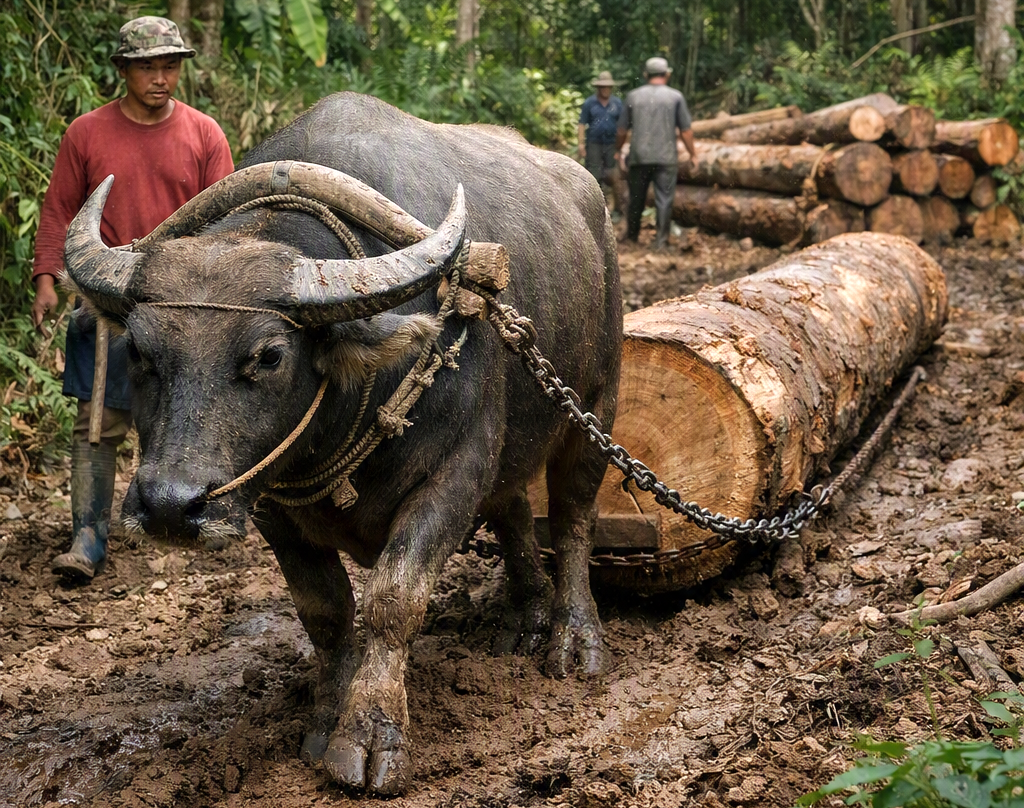
Deforestation in the Philippines has significantly reduced the country’s forest cover over the decades, with millions of hectares of trees lost to urbanization, agriculture, and other forms of land conversion. The continuing decline highlights growing concerns over biodiversity, climate change, and the protection of the country’s remaining forests.
“To be poor and be without trees is to be the most starved human being in the world. To be poor and have trees is to be completely rich in ways that money can never buy.” — Clarissa Pinkola Estés, author of The Faithful Gardener: A Wise Tale About That Which Can Never Die
***
“Most of the country’s once rich forests are gone,” says the UN Food and Agriculture Organization’s (FAO) study entitled, “Sustainable Forest Management.”
From 2001 to 2022, a total of 1.42 million hectares of tree cover was lost, indicating a 7.6% reduction in the country’s overall tree cover, which is approximately 18.684 million hectares.
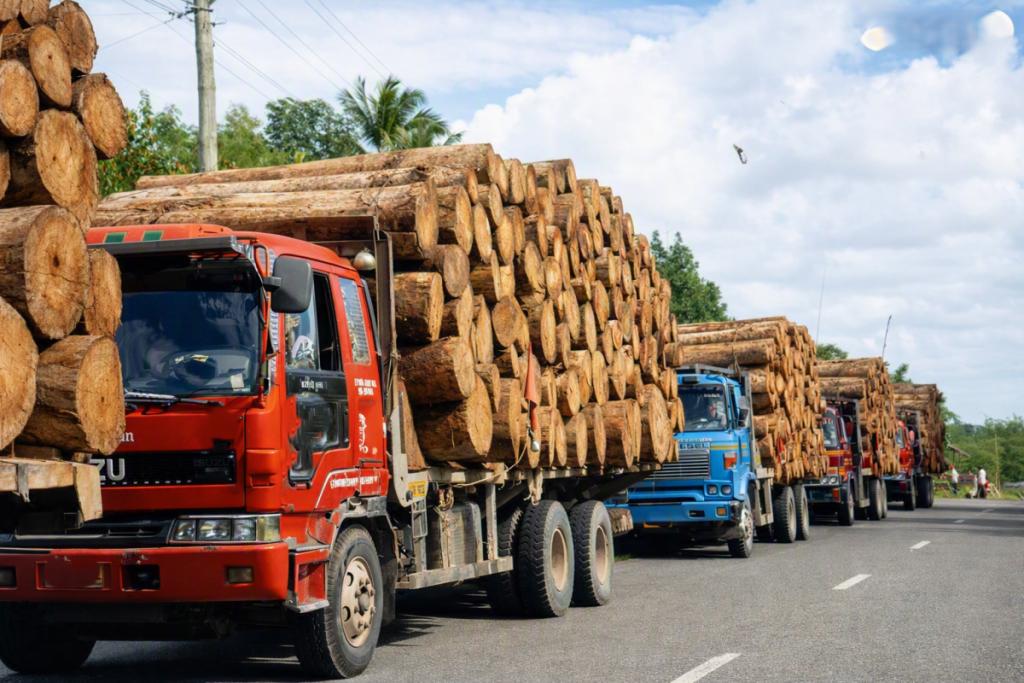
“Like most of the forests globally, a huge chunk of the forests we lost in the country is due to urbanization and commodity-driven deforestation,” said the Climate Change Commission (CCC), the lead policy-making government body tasked to coordinate, monitor, and evaluate government programs and action plans related to climate change.
According to the 2022 Philippine Forestry Statistics, the nation currently has an estimated total forest cover of 7.22 million hectares, which constitutes 24.07% of the country’s land area of 30 million hectares. This figure is “far below” the 17.8 million hectares of forest cover recorded in 1934.
“This showcases just how much of our forest we have lost over the years, and how serious of a threat deforestation is to the country,” CCC pointed out on its website.
“Where have all our forests gone?” asked Jethro P. Adang, the director of the Davao-based Mindanao Baptist Rural Life Center (MBRLC). “Why are we losing our trees at a very fast rate?”
The ever-growing population can be partly blamed. “The most likely causes were the increase in population – up from about 500,000 in 152 to around seven million in 1900,” surmised the Environmental Science for Social Change (ESSC), a Jesuit research and training organization.
Today, the Philippines is home to 112.90 million Filipinos.
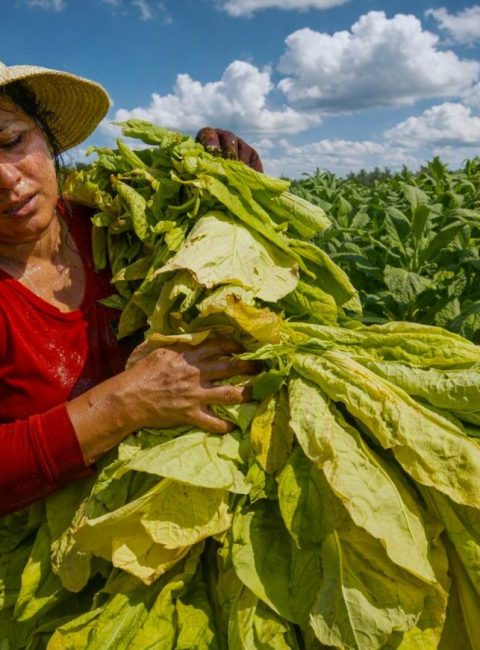
“This was accompanied by the spread of commercial crops (abaca, tobacco and sugarcane) and by growth of pasture lands for cattle raising as the Philippines became part of the world economy,” the publication continued.
But logging – both legal and illegal – is seen as the primary culprit. “An important source of deforestation has been the dramatic expansion of destructive logging,” wrote Robert Repetto in The Forest for the Trees? Government Policies and the Misuse of Forest Resources.
Logging boomed in the late 1960s. “Logging concession areas increased from 4.5 million hectares to 11.6 million hectares, covering more than one-third of the entire country,” the ESSC publication reported. “Timber companies owned by the traditional elite, the Philippine military, and politicians cornered the logging contracts.”
Most of the country’s forest covers are located in the uplands. In the Philippine context, the uplands are rolling to steep lands, with slopes ranging upward from 18%. About 60% of the country’s total land area is considered upland.
Upland migration and agricultural expansion have contributed to the past disappearance of the country’s forest cover. “Some 80,000 to 120,000 families cleared an estimated 2.3 million hectares of forest land,” Repetto wrote. “The spread of shifting cultivation largely reflects population growth and the economy’s failure to provide employment alternatives for the country’s rural poor.”
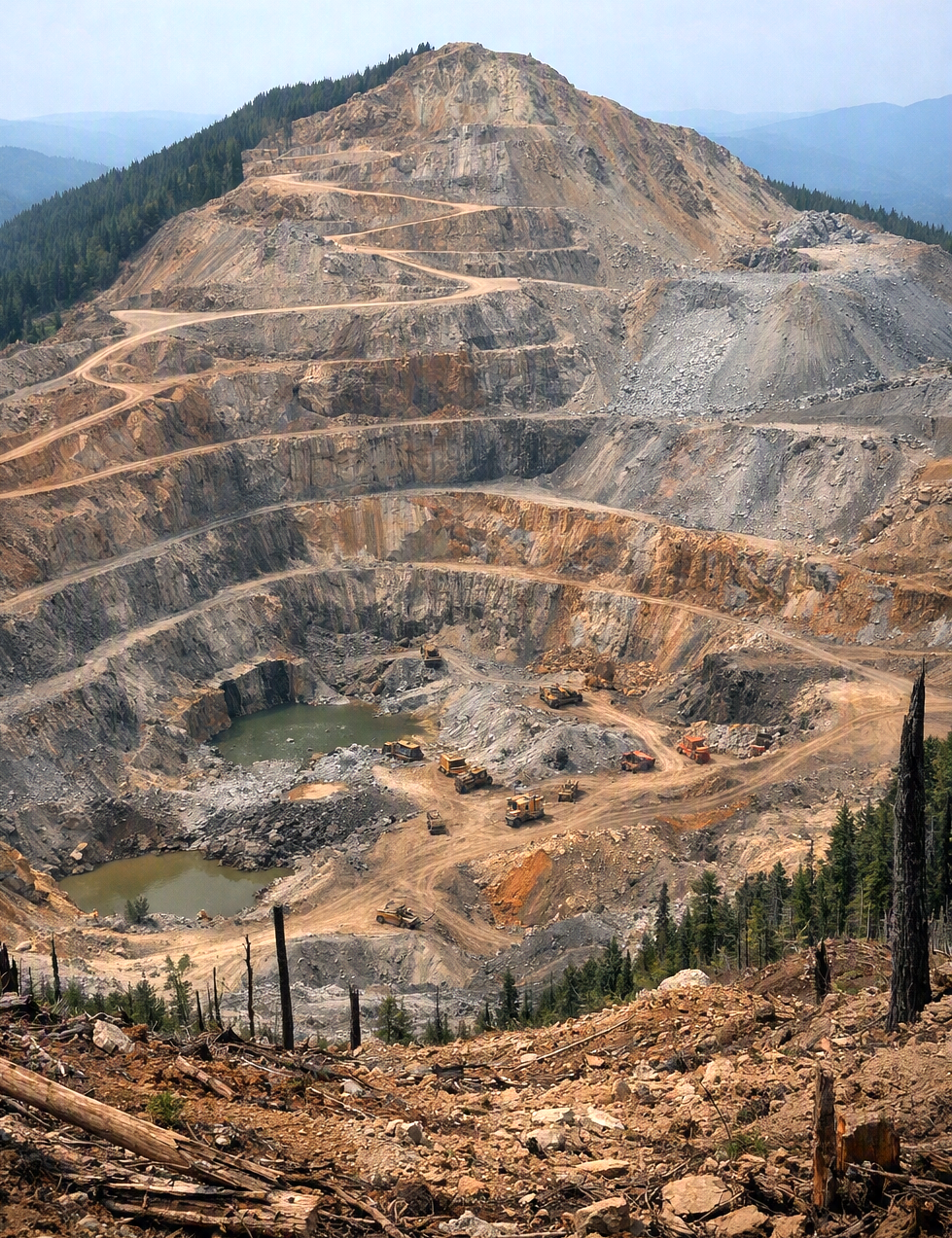
Mining also threatens the country’s remaining forests. Kalikasan, people’s network for the environment, wrote in its website: “Through the Mining Act of 1995, mining companies are given timber rights which allow them to cut trees inside their concessions. As of March 2011, more than one million ha of land are covered with mining permits and applications.”
According to Kalikasan, “human rights violations related to deforestation include land grabbing, militarization, violation of the Free and Prior informed Consent requirement and killings. Indigenous peoples and national minorities are the usual victims since their ancestral domains are usually located in forests.”
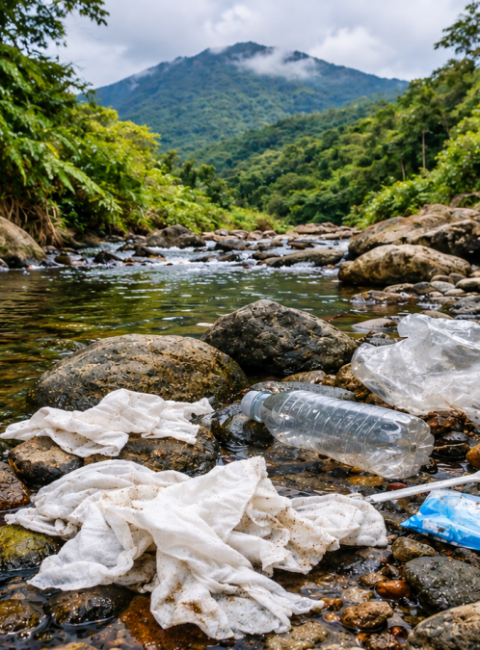
The destruction caused by deforestation is already written on the wall. “Deforestation has left upper watersheds unprotected, destabilizing river flows, with significant effects on fish population and agriculture,” Repetto wrote.
“The implications for hydroelectric projects and irrigation facilities have already become apparent in Luzon, where anticipated lifetimes of important reservoirs have been cut in half by sedimentation,” Repetto added.
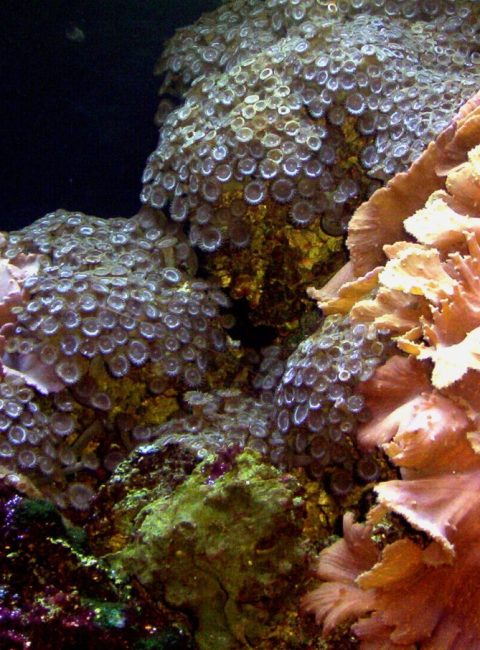
In The World for World is Forest, Ursula K. Le Guin wrote: “A forest ecology is a delicate one. If the forest perishes, its fauna may go with it.” Forest is home to some of the most ecologically-fragile flora and fauna.
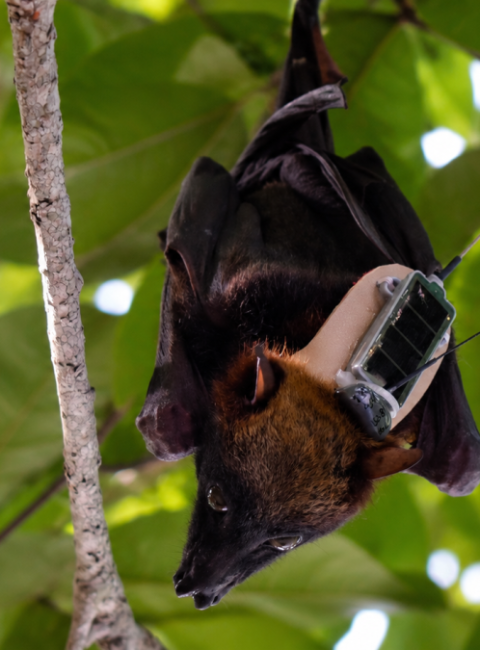
“More than 400 plant and animal species in the Philippines are currently threatened with extinction, including the Philippine eagle and the tamaraw,” the Washington D.C.-based Population Reference Bureau reported.
The Philippine Eagle Foundation said that a pair of Philippine eagles needs at least 7,000 to 13,000 hectares of forest as nesting territory. “The Philippine eagle has become a critically endangered species because the loss of the forest has made it lose its natural habitat,” explained Dennis Salvador, PEF’s executive director.
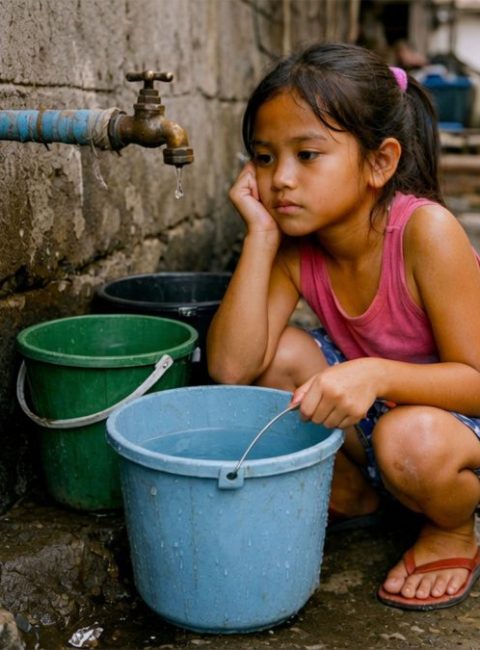
Water, one of man’s basic needs, is expected to diminish as trees disappear. A certain Diosmedes Demit, a farmer from Bukidnon, told a reporter on why he was joining the ‘Fast for the Forests’: “If the forest perishes, so will the life of people. The trees are our source of life. Without trees, there will be no water. If there is no water, there will be no life.”
So, where have all our forests gone? “A person without children would face a hopeless future; a country without trees is almost as helpless,” American President Theodore Roosevelt reminded.


 Facebook
 Twitter