
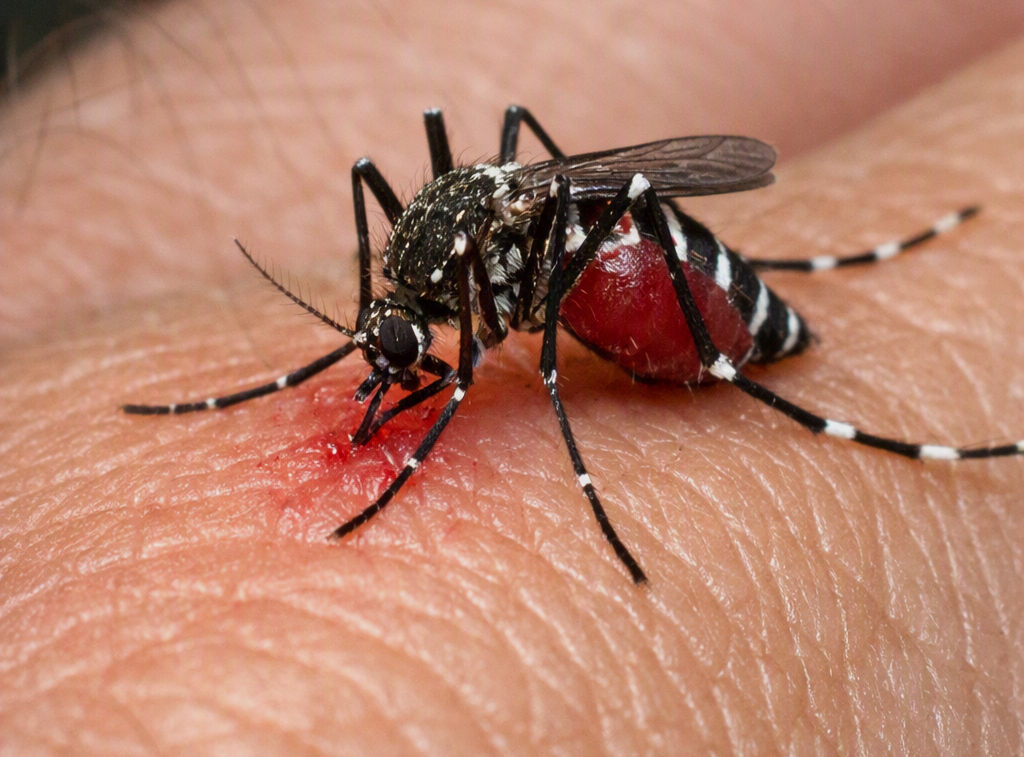
Mosquito defense is important in reducing exposure to bites and the diseases mosquitoes can transmit. These small insects are found in communities across the Philippines and can become a persistent problem, particularly during periods when mosquito-borne diseases such as dengue are more common.
Are you aware of the deadliest living creature? It is neither the crocodile nor the shark. The true public enemy number one is a minuscule organism that bothers many Filipinos daily. This organism is known as mosquitoes.
Each year, crocodiles are responsible for the deaths of 1,000 people, while sharks account for approximately 10 fatalities, according to various studies. In stark contrast, mosquitoes claim the lives of 725,000 people annually, according to the World Health Organization (WHO).
It is not surprising that philanthropist and Microsoft co-founder Bill Gates shared an infographic on his blog several years ago, highlighting mosquitoes as the most lethal animals.
“Considering their impact, you might expect mosquitoes to get more attention than they do,” Gates wrote on his blog. “Sharks kill fewer than a dozen people every year and in the United States they get a week dedicated to them on television every year. Mosquitoes kill 50,000 times as many people, but if there’s a TV channel that features Mosquito Week, I haven’t heard about it.”
This observation is indisputable. In the Philippines, for instance, there are 279 species, subspecies, and varieties of mosquitoes; however, they only gain attention during dengue outbreaks or when previously unknown diseases, such as chikungunya fever and the Zika virus, emerge.
All three diseases are transmitted through mosquito bites.
Despite their short lifespan, mosquitoes have existed since the time of the dinosaurs, with evidence tracing back to the Triassic Period. Recall the film Jurassic Park, where scientists utilized blood found in fossilized mosquitoes to clone the notorious dinosaurs for the park?
Although dinosaurs have long been extinct, mosquitoes continue to thrive alongside us. Despite global efforts to eradicate them, these blood-sucking insects persistently return, resembling a modern-day version of vampires.
“Few animals on Earth evoke the antipathy that mosquitoes do,” wrote the National Geographic. “Their itchy, irritating bites and nearly ubiquitous presence can ruin a backyard barbecue or a hike in the woods. They have an uncanny ability to sense our murderous intentions, taking flight and disappearing milliseconds before a fatal swat. And in our bedrooms, the persistent, whiny hum of their buzzing wings can wake the soundest of sleepers.”
There are about 2,700 different species (with some reports as high as 3,500) of mosquitoes throughout the world, all of which live in specific habitats, exhibit unique behaviors and bite different types of animals. Though the average mosquito lifespan is only about three weeks, some varieties have been known to live as long as two months in laboratory conditions.
The most common mosquitoes in the Philippines are Aedes aegypti, Anopheles species, and Culex species.
So, how do you keep mosquitoes from attacking you?
To prevent mosquitoes, it is crucial to remove standing water on a weekly basis and to use insect repellent that contains DEET. DEET, which stands for N,N-diethyl-meta-toluamide, is a chemical compound utilized as an insect repellent. Originally developed by the US Army in 1946, DEET is effective against both mosquitoes and ticks, providing protection against diseases transmitted by insects. Nevertheless, its potent chemical scent and the sticky, irritating residue it leaves on the skin can create an unpleasant experience.
While DEET is considered safe for human use, some individuals may be reluctant to apply a product known to damage synthetic fabrics. For those who prefer alternatives to DEET, lemon eucalyptus oil is a viable option.
Safeguard your body by applying insect repellent to exposed skin and clothing. Wear light-colored, loose-fitting long-sleeved shirts and long pants.
Consider utilizing plug-in mosquito repellents or burning coils for both indoor and outdoor defense.
Obliterate mosquitoes by eliminating breeding grounds. Thoroughly empty and clean containers that collect water, such as buckets, flowerpots, and trays. Ensure that roof gutters are clear to prevent water accumulation. Securely cover rain barrels or water storage tanks.
Fortify your home by repairing any holes in window and door screens. Ensure that doors and windows are completely closed during the early morning and late afternoon hours. If necessary, utilize electric mosquito vaporizers or mosquito nets.











 Facebook
 Twitter