
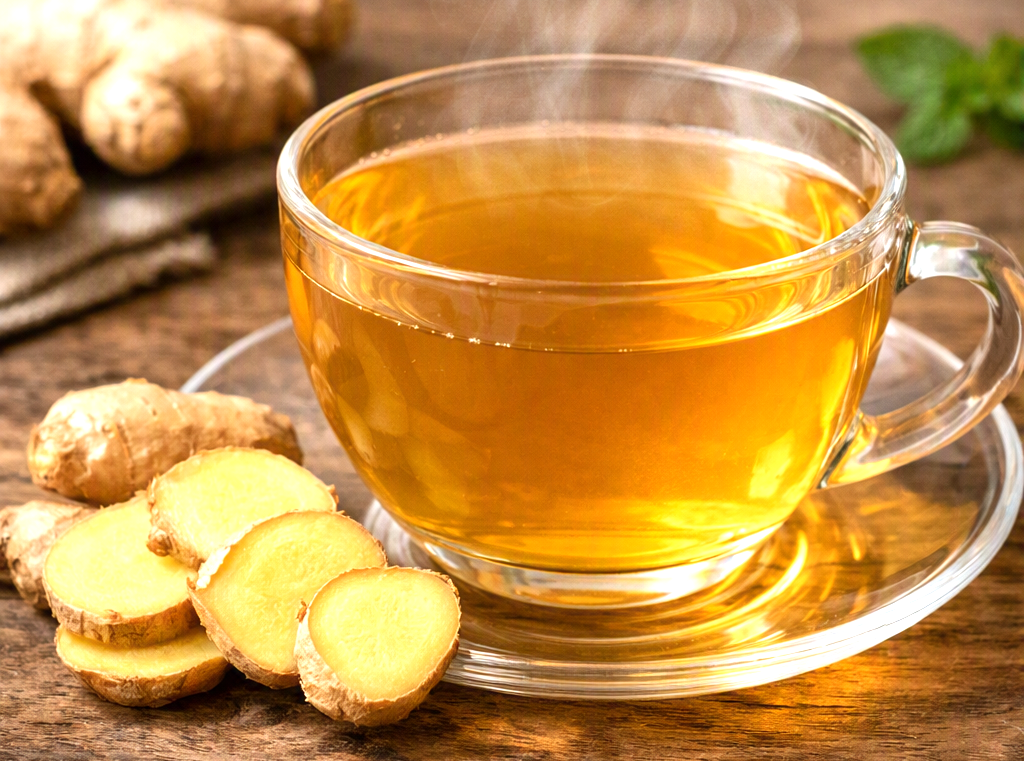
Health benefits of ginger have been recognized for centuries in traditional medicine, and modern scientific research continues to support many of its therapeutic uses. From relieving nausea and motion sickness to providing antioxidant and anti-inflammatory properties, ginger remains one of the world’s most widely studied natural remedies.
“All that is beneficial can be found in ginger,” states a well-known Indian proverb.
It is likely that many Filipinos are unaware of the fact that this knotted, irregular root serves as a powerful medicinal agent.
Unknowingly, ginger offers more than just the widely recognized and traditional health beverage called salabat.
Consider the issue of motion sickness, which can render even the most avid traveler uncomfortable. A study conducted in 1982 indicated that individuals susceptible to motion sickness who consumed ginger were able to endure 57 percent longer in a computerized rocking chair compared to those who relied on over-the-counter medications.

Furthermore, another study demonstrated that ingesting two to four capsules of dried ginger prior to embarking on a journey by car, boat, plane, or train effectively prevented motion sickness in 90 percent of the participants involved in the research.
“To combat travel sickness, take a quarter of a teaspoon of powdered ginger or a one centimeter slice of fresh root ginger at least 20 minutes before you get in the car or board a ferry,” suggests an article which appeared in Reader’s Digest.
The Minnesota-based Mayo Foundation for Medical Education and Research recommends ginger for nausea and vomiting. It instructs, “To prevent nausea after surgery, ginger has been given as one gram by mouth one hour before surgery. For chemotherapy-induced nausea, capsules of ginger root powder have been given orally one gram per day for 5 days, starting on the first day of chemotherapy.”
Ginger does not prevent morning sickness but it may help ease some of the nausea experienced by pregnant women, Australian researchers reported in the April 2004 issue of Obstetrics and Gynecology.
Researchers from the University of South Australia in Adelaide gave nearly 300 women either 350 milligrams of ginger or 25 milligrams of vitamin B6 three times per day for 3 weeks. The researchers found that both ginger and vitamin B6, which is sometimes taken to counteract morning sickness, worked equally well at alleviating nausea symptoms.
Some sources warn against higher doses in pregnancy due to concerns about mutations or abortion. “Supervision by a qualified healthcare professional is recommended for pregnant women considering the use of ginger,” the Mayo Clinic reiterates.
In the meantime, Johns Hopkins Medicine, on its website, outlines the following health advantages of ginger:
Chemotherapy: Professionals involved in the care of patients undergoing chemotherapy for cancer indicate that ginger may alleviate post-treatment nausea, and it does so without some of the adverse effects associated with anti-nausea medications.
Bloating and gas: Consuming ginger can reduce fermentation, constipation, and other factors that contribute to bloating and intestinal gas.
Cellular wear and tear: Ginger is rich in antioxidants. These molecules assist in controlling free radicals, which are compounds that can harm cells when present in excessive amounts.
Anti-inflammatory: Ginger comprises over 400 natural compounds, some of which exhibit anti-inflammatory properties. Further research will clarify whether the consumption of ginger influences conditions such as rheumatoid arthritis or respiratory inflammation.
Mounting evidence suggests that ginger indeed has natural anti-inflammatory properties. “And you don’t have to use it a lot,” says Neal Barnard, M.D. author of Foods That Fight Pain. “It works like ibuprofen, but without the side effects.”
The thing is, you need some ginger every day to feel the results. Slice a half-teaspoon to a teaspoon of fresh ginger and use it to flavor your stir-fry vegetables or sauces or mix it with some boiling water and let it cool down before drinking.
Now, here’s a word of warning: Though generally recognized as safe, ginger can cause heartburn, bloating, gas, belching and nausea, particularly if taken in powdered form. Allergic reactions to ginger generally result in a rash. Individuals who have had ulcers, inflammatory bowel disease or blocked intestines may react badly to large quantities of fresh ginger. Ginger should not be used by children under 2 years of age.
The editors of Super Life, Super Health likewise cautions: “Talk to your doctor before using ginger if you have gallstones, take heart medicine (ginger may intensify the effects of heart drugs, which can be dangerous), and are scheduled for surgery (ginger may interfere with your blood’s ability to clot). Ginger may also worsen problems in women who have high estrogen levels.”










 Facebook
 Twitter