
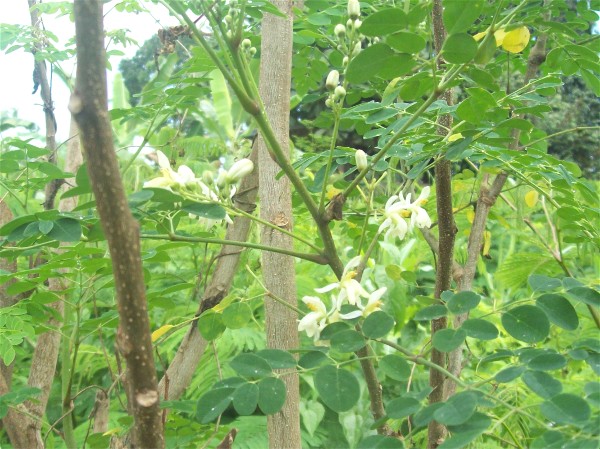
Many uses of malunggay make it one of the most valuable plants in the Philippines. Known for its exceptional nutritional value, health benefits, and economic potential, malunggay can be easily grown in home gardens while providing families with a sustainable source of food and additional income.
There’s one vegetable that is not only nutritious but can also provide good income for farmers. It can be grown right in your backyard and may help the reforestation program of the government.
The vegetable is called malunggay, known in the science world as Moringa oleifera. The Florida-based Education Concerns for Hunger Organization describes malunggay as the “natural nutrition for the tropics.” For the past three decades, the Geneva-based World Health Organization has been promoting malunggay as a low-cost health enhancer.
During the administration of Ferdinand E. Marcos, there was a craze on malunggay as a solution to the malnutrition problem in the countryside. Marcos himself was a malunggay addict; he reportedly consumed soup littered with green leaves in every meal in addition to the saluyot and labong (bamboo shoots) as the main fare.
Malunggay is so rich in nutrients and vitamins that its image is in fact used as the official logo of the Food and Nutrition Research Institute (FNRI) of the Department of Science and Technology. “If Manny Pacquiao shows how a Filipino fights in the ring,” said one commentator, “malunggay is the symbol of Filipino fight against malnutrition.”
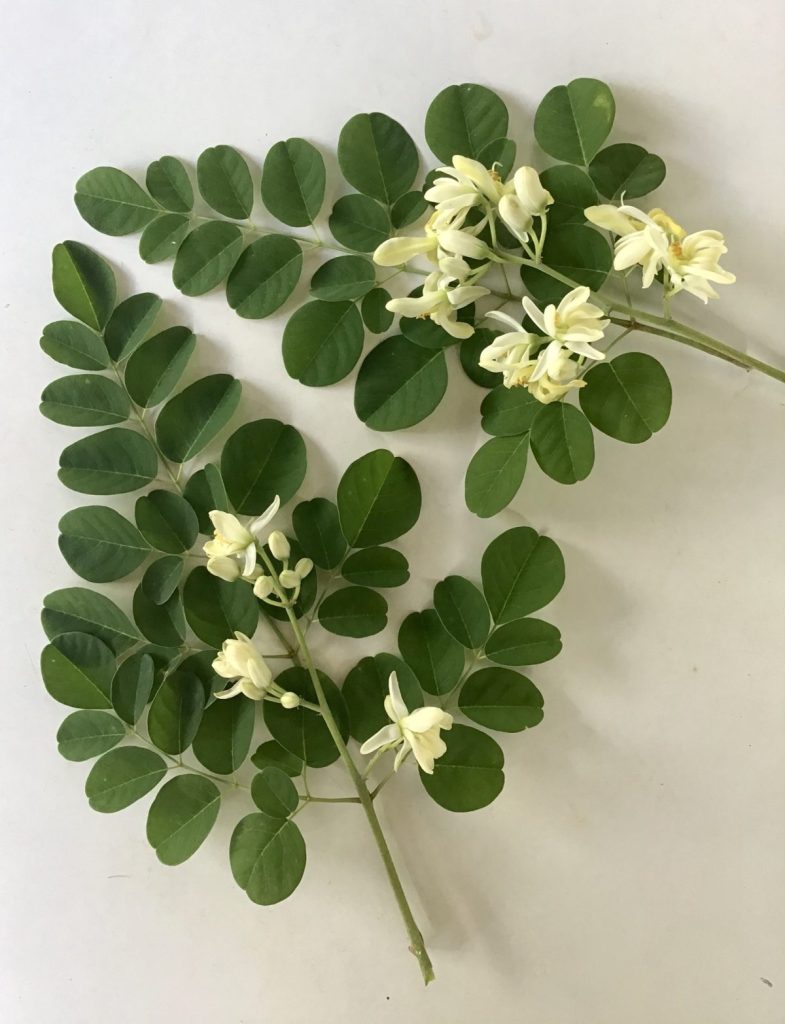
Nutritionists aver that 100 grams of malunggay leaves yield the following: 75 calories of energy (higher than ampalaya, squash, tomatoes, or carrots), 5.9 grams protein (higher than cauliflower, lettuce, or mustard), 12.8 grams carbohydrate (higher than okra, papaya, or watermelon), 353 milligrams calcium (higher than gabi leaves, mung beans, squash, and sweet potato tops), 3.7 milligrams niacin (higher than other vegetables analyzed). And for thiamin, phosphorus, and ascorbic acid, malunggay is at the top of the list.
In addition, nutritionists affirm that 200 grams of malunggay leaves would give a nutritive value roughly equivalent to four eggs and two glasses of milk. Its iron compound prevents deficiency of red blood cells known as anemia. And being a very rich source of calcium, it aids in maintaining healthy bones and teeth.
Malunggay is also rich in vitamin A (higher than red and green mung beans, radish, or eggplant), thus helping prevent xerophthalmia, a disease of the eye. Adults are urged to eat malunggay leaves as its vitamin C content is higher than those of ampalaya leaves. Vitamin C may protect against declining mental ability and stroke. In studies with elderly people, researchers found that low vitamin C levels contributed to shower reasoning skills, which was a strong factor in their dying from stroke.
Filipino women consider malunggay as an ally in nurturing babies. In fact, they dubbed malunggay as their “best friend.” For lactating women, malunggay aids in the production of vitamin-rich milk for the newly-born baby. The calcium content of malunggay, nutritionists claim, is four times those found in milk.
Lowell Fuglie, author of Moringa oleifera: Natural Nutrition for the Tropics, shares this information: “For pregnant and breast-feeding women, moringa leaves and pods can do much to preserve the mother’s health and pass on strength to the fetus or nursing child. One 100-gram portion of leaves could provide a woman with over a third of her daily need of calcium and give her important quantities of iron, protein, copper, sulfur and B-vitamins.”
Malunggay is the country’s counterpart of the apple of the United States – in terms of keeping the doctor away. The malunggay leaves are good for curing headache, bleeding from a shallow cut, and can be used as anti-inflammatory, or cure for gastric ulcers and diarrhea.
“Due to its high vitamins A, C, and E, which are very potent antioxidants, malunggay is a very good quencher of unstable free radicals that can react with and damage molecules that cause aging,” says FNRI’s Dr. Lydia M. Marero. “Antioxidants reduce the appearance of wrinkles and fine lines. They also prevent the onset of various chronic diseases like arthritis, cancer, and heart and kidney diseases.”
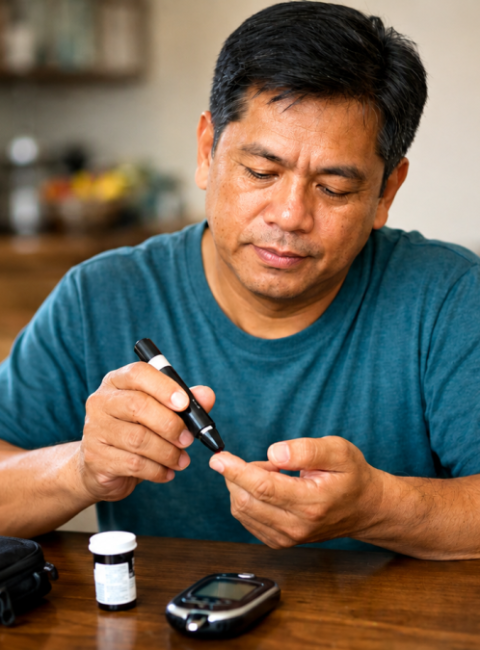
When it comes to alternative medicine against diabetes, the drug from ampalaya comes to mind. But Filipino researchers these days are also looking at malunggay. Recent studies have found malunggay extracts can significantly reduce blood sugar in mice. Because of this finding, Irene M. Villaseñor and Juane Marco B. Gonzales, two researchers from the University of the Philippines in Diliman, decided to conduct studies on the “super plant.”
“Our goal is to isolate an anti-diabetic compound from malunggay and to formulate a less expensive, alternative drug against diabetes for the consumption of diabetic Filipinos,” the two UP researchers wrote in a report published by DOST.
The researchers took four kilograms of dried malunggay leaves. They had encountered countless obstacles to produce a miniscule amount of pure anti-diabetic compound from malunggay.
“However, this miniscule powder was all we needed to test the potential anti-diabetic property of malunggay,” they recalled. “We isolated the compounds present in malunggay by their polarity, or their likelihood to dissolve in water (polar) or in oil (non-polar).”
The researchers and their team were able to isolate the anti-diabetic compound. “With the help and support from the government and the hard-earned money of the taxpayers, our group managed to isolate an anti-diabetic compound from malunggay leaves,” the two wrote in their paper.
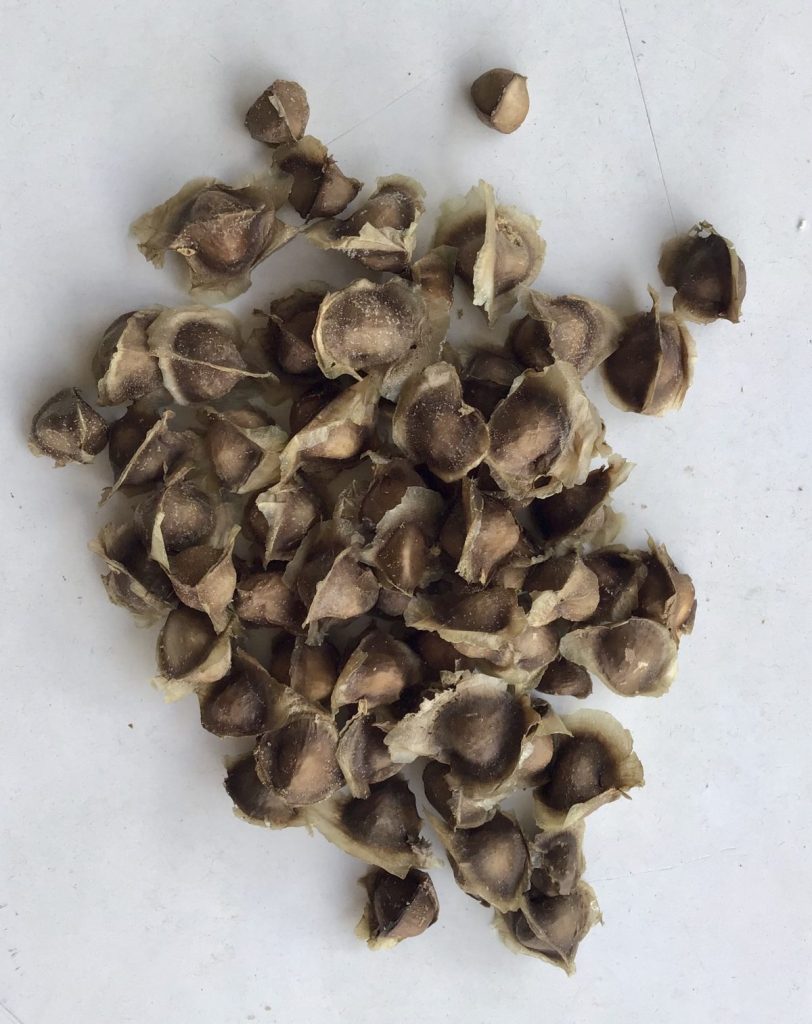
In rural areas, Filipinos without a good source of water can rely on malunggay to purify their drinking water. “The crushed moringa seeds can clear very turbid water,” said Dr. John Sutherland, of Leicester University’s Department of Environmental Technology.
By using malunggay seeds, people can get away with using chemicals like aluminum sulphate, which is expensive and poses risks to people and the environment. The seed powder can remove between 90 and 99 percent of bacteria in water.
The oil extracted from matured malunggay seeds is a high value oil that can be used as cooking oil, industrial oil, and ingredient for cosmetics, bath soaps and shampoos, perfume, shortening and lubricants, among others.
But despite its legendary potential, malunggay is still relatively unknown. “The sale of all forms of vitamins, minerals, and health supplements is a big business,” points out an American company that promotes and sells malunggay products in capsules. “If you are a company selling hundreds of nutritional products, why would you sell a product that will wipe out all your other products? This is true for the pharmaceutical industries as well. These industries would rather that the general public remain ignorant about the moringa.”






 Facebook
 Twitter