
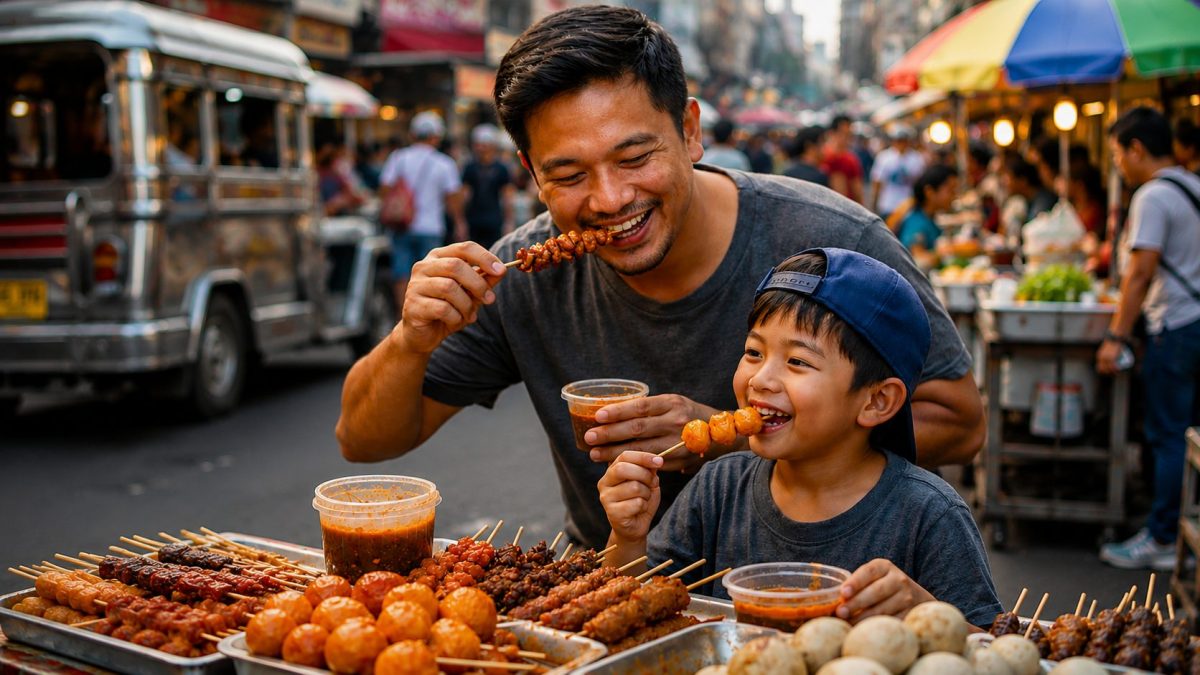
Street food safety is an important consideration for anyone who enjoys affordable and authentic local cuisine. From bustling city markets to roadside vendors, street food offers convenient and flavorful meals, but understanding proper food handling, hygiene, and preparation practices can help consumers enjoy these popular dishes with greater confidence.
“Street food is often described as the most authentic way to experience a new place.”—Author unknown
***
Street food is all around us — so much so that it just becomes part of the city vibe and often goes unnoticed. You can find them near factories, offices, schools, universities, transit hubs, and markets. As more folks enter the workforce and spend time away from home, street food has become the easiest way to grab a bite and get some nutrition.
According to the United Nations Food and Agriculture Organization (FAO), about one-third of the world’s population depends on street food vendors every day. Studies have shown that in Kuala Lumpur in Malaysia and Iloilo in the Philippines, almost 25 to 30 percent, respectively, of household expenditure is spent on street foods.
The term “street foods” describes a wide range of ready-to-eat foods and beverages sold and sometimes prepared in public places, notably streets. Street foods run the gamut from snack to full meal, simple to sophisticated. Nuts and fruits, tea and soda pop are available almost everywhere in most of the developing countries.
In the Philippines, selling street foods is becoming an important economic activity as it feeds hungry millions and provides employment and income to 80-90% of the country’s urban poor, according to a study done by the Food and Nutrition Research Institute (FNRI).
There are many types of foods sold in the street and among the favorites are: “kwek-kwek” (made of quail eggs covered in orange dough and deep fried), “isaw” (chicken intestine put on a stick and grilled), fish balls (minced fish rolled into balls), “balut” (pre-hatched duck egg), “betamax” (a cubed, curdled blood of a chicken), “adidas” (the marinated grilled chicken’s feet), “atay” (marinated and barbequed liver of chicken), and helmet (the grilled head of a chicken).
Other fillers of hungry stomachs are: “maruya” (a combination of bananas and flour, deep fried until golden brown), “kikiam” (made of ground pork and vegetables wrapped in bean curd sheets then deep-fried until golden), “calamares” (deep-fried battered squid rings), “mais” (corn on a cob, but it could also be salted boiled corn), and green mango with “bagoong” (unripe mango on a stick with a salty, fermented sauce or paste made from small shrimps or fish).
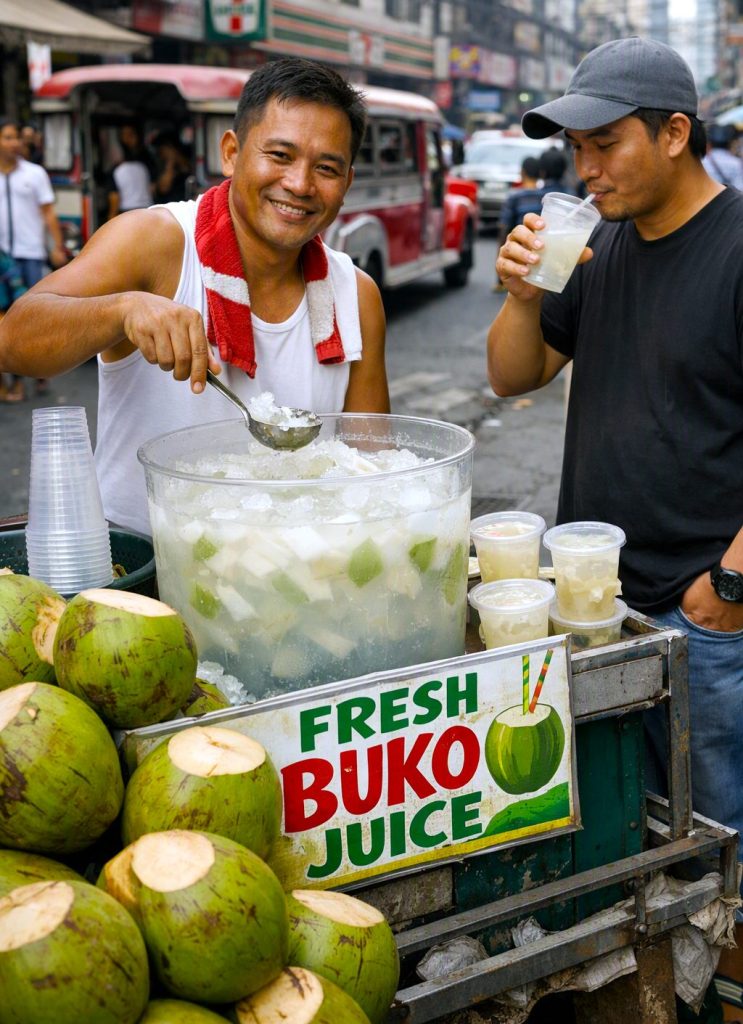
For drinks, the following are common: buko juice (coconut juice that can be drunk directly from the buko itself), “iskrambol” (a simple shake with artificial flavors), and sago and “gulaman” (a refreshingly cold drink made out of tapioca and jelly).
Ronald M. Henson in an article which appeared in The S&T Post, a publication of the Department of Science and Technology (DOST), said that the rapid increase of urban population in the country created a huge market for street foods. This is especially true among the low-income groups which have no time to cook their own meals.
In some instances, working housewives would resort to buying street foods as most of them lack proper cooking facilities. “And with increasing cost of fuel, the only immediate option is to turn to street foods,” noted Henson.
“With the increasing pace of globalization and tourism, the safety of street food has become one of the major concerns of public health, and a focus for governments and scientists to raise public awareness,” the World Health Organization notes.
In the Philippines, a study focused on the microbiology of certain street foods raised concerns about contamination from harmful microorganisms. Alice Bugan, who participated in research by the Food and Nutrition Research Institute, pointed out that the contamination of street foods mainly stems from poor handling and unsanitary practices by both vendors and customers.
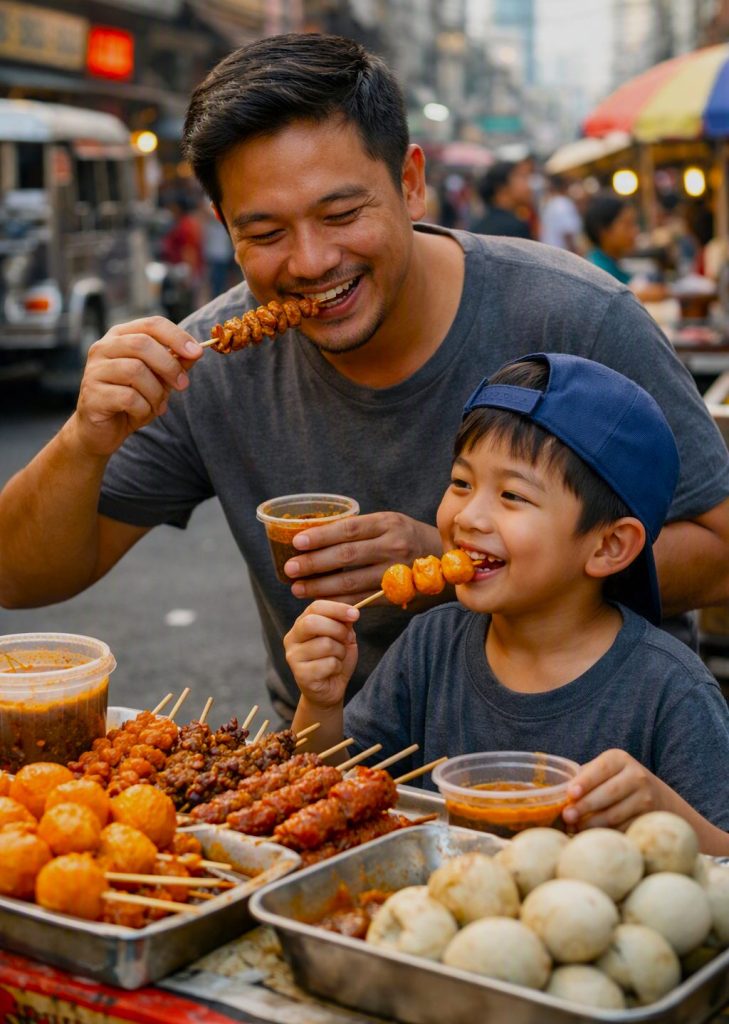
The microbiological results revealed the presence of coliforms like Escherichia coli, Enterobacter aerogenes, and E. cloacae in both barbecued and deep-fried animal products. This indicates that the bacterial levels in the street food samples are quite high, ranging from 240 to 2,400 bacteria per gram of food.
When it comes to street foods, safety relies on a few key things. For one, check out how clean the cooking space, utensils, and serving containers are. Vendors who keep money and food separate, wear gloves, or have a neat setup are usually safer.
Go for stalls that have a lot of customers, since that means the ingredients are getting replaced often and are less likely to be bad. Pick dishes that are cooked all the way through and served hot. Steer clear of food that’s been left out in the sun or isn’t covered.
Consider the quality of the ingredients. Fresh ingredients help lower the chances of foodborne illnesses like Salmonella or E. coli, which can come from undercooked meat, eggs, or dirty produce.
If you’re heading to a new place and enjoy street food, here are some tips to keep in mind:
Keep an eye on how the food is made. Food that’s cooked right in front of you is usually safer than stuff that’s been sitting out at room temperature.
Bring your own utensils. Using your own clean forks and plates can help reduce the risk of contamination.
Make sure to wash or sanitize your hands before you eat, especially after handling cash or touching public surfaces.
Stay vigilant. Trust your gut—if a food stall looks messy or the food seems off, it’s best to just walk away.
Happy eating!






 Facebook
 Twitter