
Herbal medicines continue to play an important role in healthcare as more Filipinos recognize the benefits of medicinal plants for managing common illnesses and supporting overall wellness. Backed by both traditional knowledge and scientific research, herbal remedies remain a valuable part of complementary healthcare in the Philippines.
If in the past using medicinal plants to treat illnesses may be frowned upon by most people, such is not the case anymore. In fact, more and more Filipinos are now using herbal medicine – and it’s not a late-breaking fad.
A survey conducted by the Social Weather Station (SWS) in 1994 showed that an estimated 78% of Filipinos were availing themselves of herbal medicines to deal with a variety of common ailments and discomfort.
The case of Monching, a farmer in Managa, Bansalan, Davao del Sur is an example. He woke up one morning with his sides and back aching all over. When he bent, he couldn’t straighten up. His bladder was full because he had urinary problems, like burning upon urination.
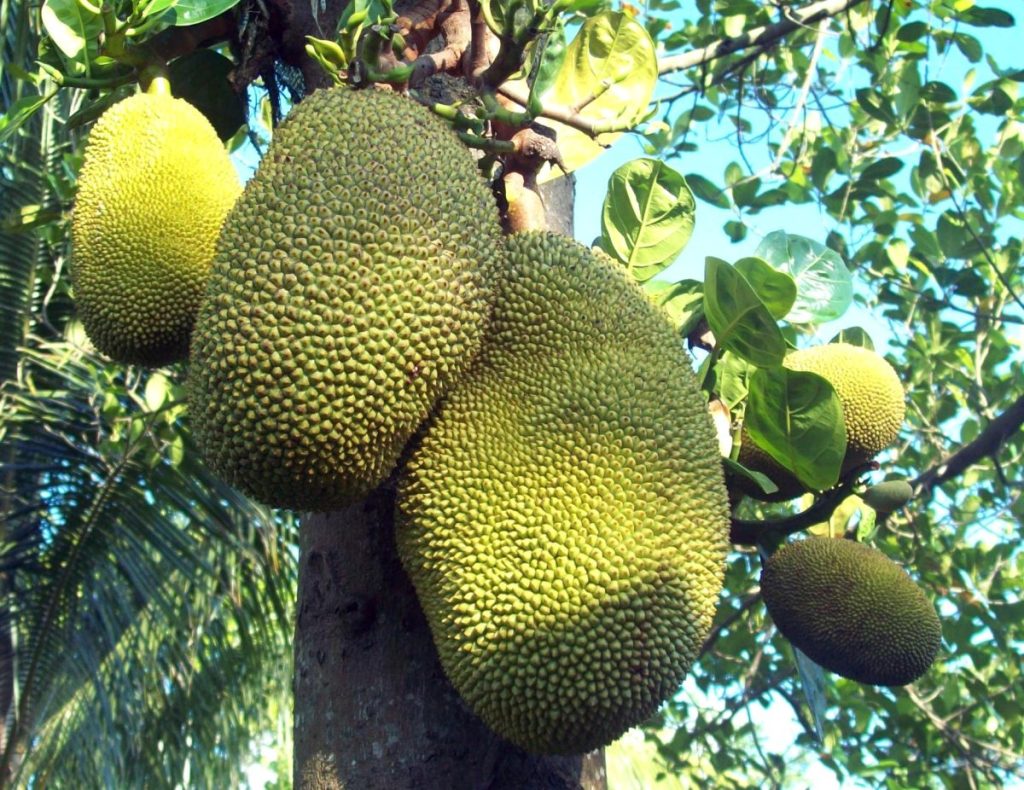
It is best to see a doctor immediately to get rid of the pain. But since the hospital was very far from where he is living, he decided to prepare his own homemade remedy. He collected dried cornsilk from his ripening corn and boiled a fistful of it in four cups of water for 15 minutes. He allowed it to cool down before drinking the warm water at mealtimes and between meals. The pain cleared up in two days.
“For every disease, God has a plant for it,” Dr. Erna C. Arollado, director of Institute of Pharmaceutical Sciences at the University of Philippines College of Pharmacy. She is also a member of the National Research Council of the Philippines (NRCP).
Even the Holy Bible mentioned the importance of plants against diseases. In Ezekiel 47:12, God told the prophet that fruit trees that grow along the banks of the river had healing prowess, particularly the leaves.
Plants are one of the most important natural sources of novel pharmacology active compounds by the pharmaceutical industry,” the NRCP said in a statement. “Since time immemorial, the use of plant-derived products embodies a major aspect in traditional medicine and contributes to worldwide care.”
Traditional Filipino medicine has endured centuries of colonization, according to Eunice Jean Patron. “Now, modern science is able to shed a different light on these ancient and oftentimes misunderstood practices, showing us that there are always new things to learn from the old ways,” she wrote in press release disseminated by Science Communications of the University of the Philippines-Diliman College of Science (UPD-CS).
Patron reported the country has over 1,500 known medicinal plants, with at least 120 that have been validated for safety and efficacy using modern scientific standards. “However, despite the potential value of this pharmaceutical cornucopia, the country still has a long way to go before traditional medicines are openly accepted in a modern setting,” she wrote.
The reason behind this, Felipe Jocano Jr., an assistant professor at the University of the Philippines – Diliman Department of Anthropology, was quoted as saying: “There are plants that are being used historically but whose potential have been overlooked until now because of our biases, the way we favor or privilege particular forms of healing over others.”
Prof. Jocano, Jr. suggested, “We should be looking at our own indigenous knowledge, giving it the value it deserves, seeking ways to build on it to make it fit into what our present (healthcare) systems (need), while giving due respect to the practitioners and perhaps giving them also the respect and the recognition that they deserve.”
The SWS survey also found that 40% of Filipino users, mostly from rural areas, used the medicines on their own initiatives. Thirty-two of respondents, however, said they got advice from herbolarios (traditional healers). Only six percent said they learned about herbal medicines from doctors.
“Teaching people how to appreciate indigenous medicine is more than just teaching them, ‘okay, ito maganda ang indigenous medicine, ‘wag niyo pagtawanan.’ Mababaw lang ito. You have to address people’s worldviews about other people as well. Not only that, but finding ways to make use of this knowledge to help our people,” Prof. Jocano said.
At the UPD-CS, some researchers have discovered the potential of some Filipino medicinal plants as possible cures for some hard-to-cure diseases. This is good news as one of two patients with a chronic disease takes herbal medicine products to improve their welfare without consulting a physician or pharmacist, according to a study done in 2019.
Dr. Evangeline Amor and her team from the UPD-CS Institute of Chemistry has identified ten plants from Northern Samar that could potentially be used as a treatment for Alzheimer’s disease and other neurodegenerative diseases.
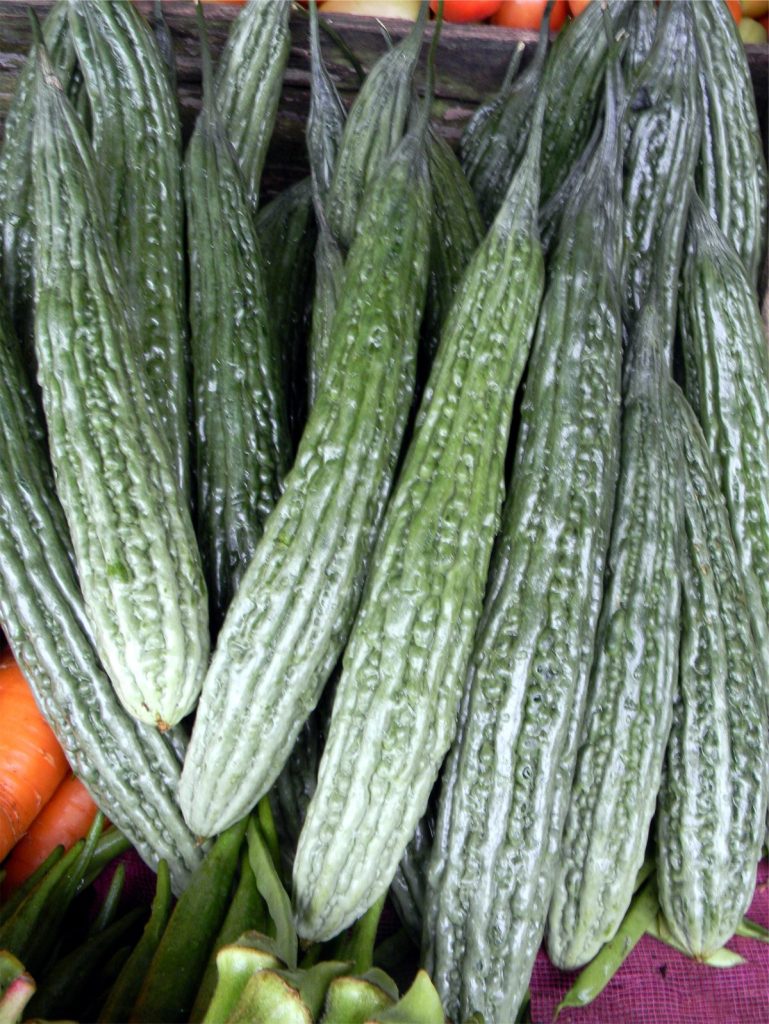
These were leaves from “sinta” (Andrographis paniculata), “atis” (Annona squamosa), jackfruit (Artocarpus heterophyllus), dollarweed (Hydrocotyle umbellata), and “sampa-sampalukan” (Phyllanthus niruri); stems from “luya-luyahan” (Curcuma zedoaria) and “dapdap” (Erythrina variegata var orientalis); and bark from “dapdap,” “balibago” (Hibiscus tiliaceus), and “santol” (Sandoricum koetjape).
Patron reported that “indigenous communities often use these plants to treat ailments such as fever, skin diseases such as boils and wounds, abscesses, dysentery, abdominal pain, cough, kidney stones, hepatic disorders, and ringworms.”
Among the ten plants studied, “luya-luyahan” and “dapdap” were reported to have “the most medicinal potential,” as extracts from their bark and stems were particularly “effective at inhibiting an enzyme that breaks down acetylcholine, a brain chemical that plays a major role in memory, learning, attention, and involuntary muscle movement.”
“The next step in the study is to establish the safety of the extracts and confirm their activity in a secondary or orthogonal assay,” Dr. Amor was quoted as saying. “After which, the non-toxic active extracts can then proceed to a drug-track wherein the active constituents are isolated and identified or an herbal-track wherein an herbal preparation or drug may be formulated.”
Meanwhile, the Department of Science and Technology (DOST) through the Philippine Council for Health Research and Development (PCHRD) has been promoting the medicinal powers of “lagundi” and “yerba buena.” The efficacy and safety of these three plants have been proven through scientific research and clinical tests.
Among the medicinal uses of “lagundi” (Vitex negundo) are to stop coughing, relieve asthma, facilitate the discharge of phlegm and to lower fever due to colds or flu. It is also a pain reliever for headache and toothache.
On the other hand, “yerba Buena” (Mentha cordifolia) – known as peppermint among English-speaking countries – can be used in relieving pain. As an analgesic, it is effective for headache, toothache and pains caused by arthritis.
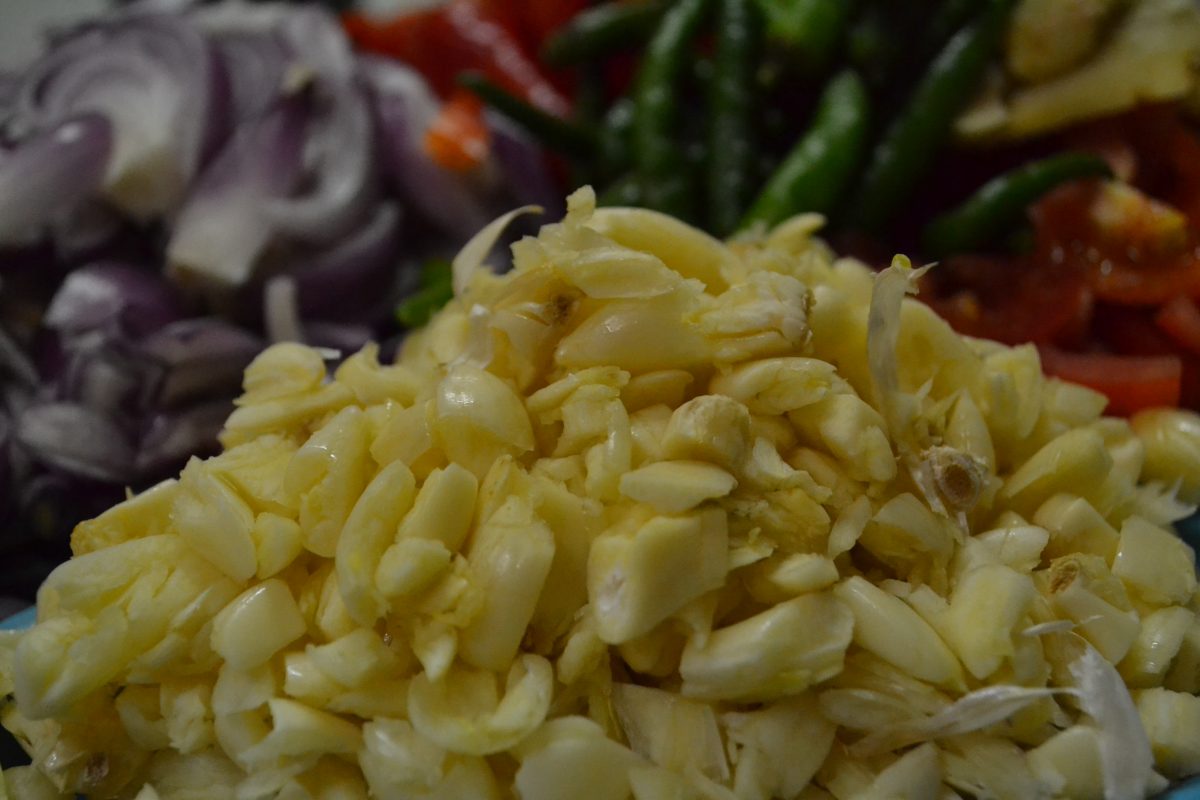
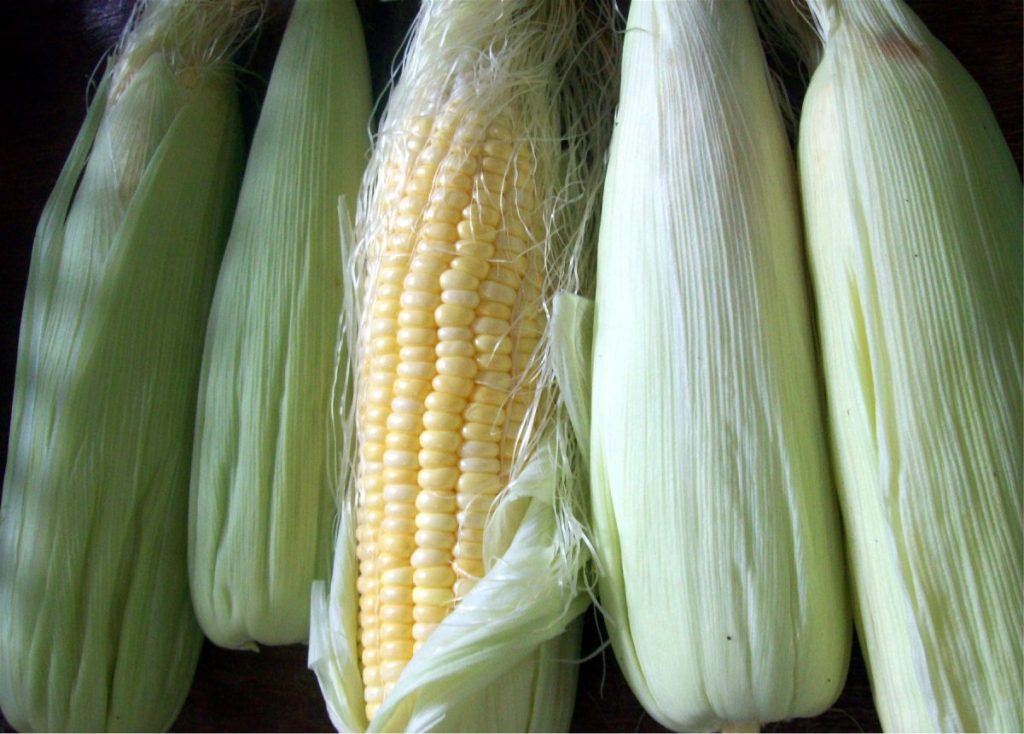
Aside from “lagundi” and “yerba buena,” the health department also promotes the following herbal medicines: “sambong” (Blumea balsamifera), “tsaang gubat” (Carmina retusa), “niyug-niyogan” (Quisqualis indica), “bayabas” (Psidium guajava), “akapulko” (Cassia alata), “ulasimang bato” (Peperomia pellucida), “bawang” (Allium sativum), and “ampalaya” (Momordica charantia).
When using herbs and medicinal plants in treating ailments, experts recommend using only one herb or medicinal plant at a time. In addition, it is best to use those already recognized and prescribed by the health department or experts.
Here’s another caution: herbal medicines have specific uses. Do not use them for anything other than what is called for.
“Traditional and modern medicine are not separate entities; combining both practices might even be the answer to treating some of the world’s most notoriously incurable diseases,” Patron concluded.







 Facebook
 Twitter