

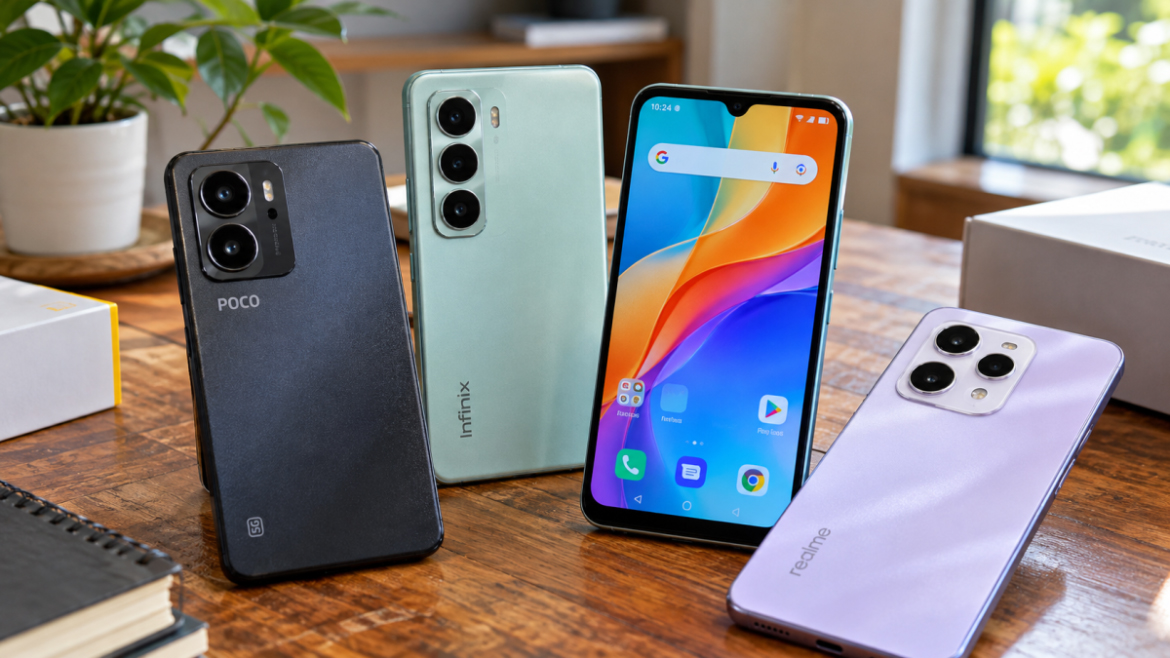
Smartphones under ₱10,000 in the Philippines in 2026 are vastly different than they were just a few years ago. Today’s sub-₱10k budget tier gives you access to features once reserved for mid-range or flagship devices: large 5,000mAh batteries, smooth 120Hz high-refresh-rate displays, generous storage configurations, faster charging bricks out of the box, and even entry-level 5G connectivity.
However, manufacturers love hiding compromises behind eye-catching spec sheets. A high-resolution camera sensor or a massive “virtual RAM” claim can easily distract from weak processing power or poor thermal management. Choosing the right budget phone isn’t about picking the device with the most impressive numbers on paper—it’s about matching the phone’s strengths to how you actually live, commute, and work.
A student might prioritize storage capacity for modules and reliable all-day battery life over camera quality. A delivery rider or daily commuter needs bright screen visibility under direct Manila sunlight, durable build quality, and GPS stability. Meanwhile, casual gamers care more about sustained processor performance and thermal efficiency than high megapixel counts.
This guide breaks down what a ₱10,000 budget actually gets you in the Philippine market, cutting through marketing jargon to highlight what works, where the compromises lie, and how to protect your investment.
Why Raw Spec Sheets Can Be Misleading
Before looking at specific phone categories, it helps to understand the common traps found in budget phone marketing:
- Physical RAM vs. Virtual RAM: Many budget listings advertise “16GB RAM,” but a large portion of that is often virtual RAM (reallocated internal storage acting as swap memory). True physical RAM (e.g., 6GB or 8GB) handles heavy multitasking, switching between GCash, Maya, and social media apps, and mobile gaming significantly better than virtual memory.
- The Megapixel Trap: A 50MP or 108MP camera sensor on a sub-₱10k phone does not automatically guarantee stunning photos. Budget image processors often struggle with low-light noise, and many skip the ultra-wide lens entirely in favor of low-utility macro or depth sensors. Real-world software optimization matters far more than raw pixel count.
- Refresh Rate Realities: A 120Hz display makes scrolling through feeds buttery smooth, but entry-level processors can struggle to sustain high frame rates across demanding apps without draining the battery faster. Look for adaptive settings or balance options in the software UI.
Real-World Performance Note: Pinoy Daily Testing
Specifications on paper only tell half the story. During our testing across Metro Manila—juggling GPS navigation via Grab and Angkas under direct midday sun, streaming Spotify over mobile data, and handling continuous Messenger, Viber, and banking notifications—we noticed distinct performance traits among budget devices:
- Battery Drain & Thermal Throttling: Phones powered by older 4G entry-level chips tended to run noticeably warmer and drain faster when locked at peak screen brightness outdoors. Conversely, newer efficient 6nm/4nm budget processors handled GPS mapping and dual-app switching without stuttering or major heat spikes.
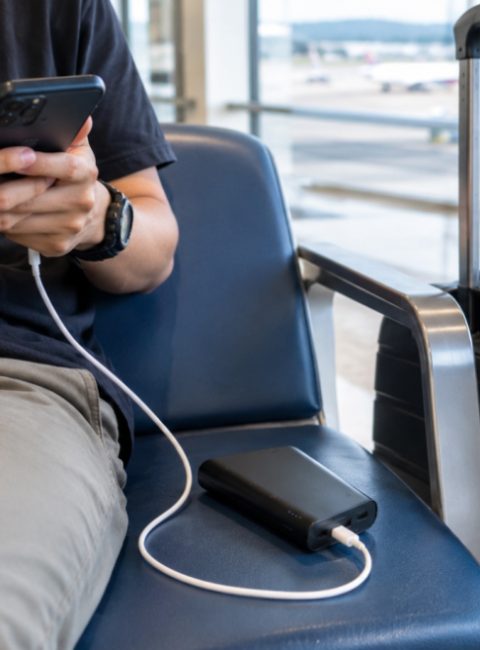
- Charging Realities: While brands advertise fast-charging capabilities (such as 33W or 45W), remember to test with the included brick plugged into standard Philippine 220V wall sockets. Most sub-₱10k phones with 5,000mAh batteries took roughly 55 to 75 minutes to go from 0% to 100% using their stock adapters, whereas generic old charging bricks dragged that time past 2 hours.
Navigating Local Warranty & Service Centers in the Philippines
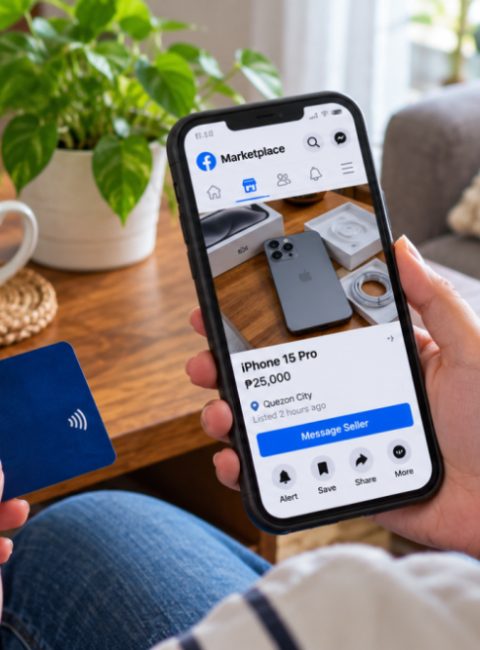
Scoring the lowest price online via Shopee, Lazada, or TikTok Shop flash sales is tempting, but reliable after-sales support is vital when buying a budget device. Before checking out, verify that your chosen brand maintains official physical service infrastructure locally:
- Xiaomi / Redmi / POCO: Backed by an extensive network of authorized service centers located inside major shopping malls across Metro Manila, Cebu, and Davao, alongside provincial drop-off partners.
- Realme & Infinix: Offer strong local presence with dedicated walk-in service hubs in major urban centers and authorized repair partners in regional capitals.
- Samsung: Features unmatched service accessibility through nationwide authorized service centers, though baseline hardware specifications for under-₱10k models are sometimes leaner compared to Chinese competitors.
- Smart Shopping Tip: Always verify if the online listing is from an “Official Store” (carrying a valid local distributor warranty) rather than a grey-market “Global ROM” seller, which typically requires shipping defective units abroad at your own expense.
About the Author: Daniel H. Cruz
Daniel H. Cruz is a Manila-based technology journalist, consumer tech reviewer, and mobile enthusiast with over eight years of experience covering the Philippine gadget market. He has closely followed the evolution of entry-level smartphones from sluggish quad-core devices to today’s high-value 5G powerhouses. When he isn’t benchmarking budget chips or testing camera performance across Manila streets, you can find him hunting for tech deals in Gilmore and examining local warranty terms.










 Facebook
 Twitter