


Online store legitimacy is the first thing every savvy Filipino shopper should verify before entering credit card details or transferring funds to digital wallets. With the rapid expansion of digital retail platforms, rogue merchants and fraudulent storefronts have become increasingly sophisticated at mimicking legitimate local businesses. By mastering fundamental verification steps—such as checking government business registries and scrutinizing payment security—you can safeguard your hard-earned money and enjoy a worry-free e-commerce experience.
The Evolution of Online Retail Fraud
Online shopping fraud in the country has evolved far beyond obvious phishing attempts and poorly translated messages. Today’s cybercriminals build sophisticated, professional-looking e-commerce storefronts that mimic legitimate local retailers, complete with stolen product photos, fabricated customer reviews, and convincing customer service chat agents. According to consumer protection reports from the Department of Trade and Industry (DTI), online transaction complaints surge during peak holiday seasons, double-digit monthly sale events, and promotional campaigns.
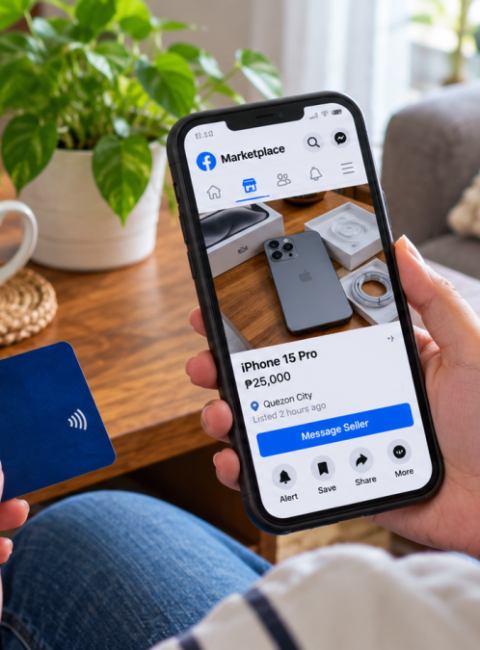
When purchasing products online, consumers face risks ranging from the complete non-delivery of items to receiving counterfeit goods or having their credit card and digital wallet credentials compromised. Cultivating a habit of rigorous digital due diligence is no longer optional—it is a critical skill for every modern digital consumer. By understanding how to check business registrations, analyze social media transparency, and scrutinize payment structures, you can drastically reduce your vulnerability to cyber fraud. For localized peer-to-peer risks involving informal social media platforms, you can also review our dedicated guide on Facebook Marketplace Scams in the Philippines.
- Check the DTI Business Name Verification Portal
The most reliable first line of defense when evaluating an online retailer based in the country is verifying whether the business is officially registered with the government. Legitimate commercial entities operating locally are required by law to register their trade names.
- Access Official Verification Tools: Always cross-reference the store’s registered trade name or SEC registration number using the DTI Business Name Search Portal to confirm its legal status.
- Examine Permit Details: Check if the physical business address matches what is declared on their official website or social media pages. Discrepancies in location or contact numbers are major red flags.
- Inspect Payment Methods and Security Protocols
Scammers often prefer payment methods that offer zero consumer recourse, such as direct bank transfers to personal accounts or unverified electronic money transfers.
- Favor Secure Gateways: Legitimate online stores integrate recognized payment gateways such as PayMongo, Dragonpay, or official credit card processors that protect financial data through encryption.
- Beware of Cash-on-Delivery (COD) Traps: While COD is popular in the Philippines, fraudsters have exploited it by delivering lightweight packages containing worthless items before collecting cash. Always verify parcel contents with the courier before handing over payment if the merchant is unfamiliar.
- Evaluate Customer Engagement and Contact Transparency
Before placing an order, examine how the store interacts with its consumer base. Legitimate merchants maintain active, responsive customer service channels with transparent contact details.
- Check Contact Information: Look for a working landline number, an official corporate email address domain (rather than a generic free webmail account), and a verifiable physical office address.
- Analyze Reviews Critically: Watch out for online stores featuring hundreds of identical, overly glowing reviews posted within a very short timeframe. Authentic customer feedback often includes detailed descriptions, user-generated photos, and occasional constructive criticism.
About the Author: Daniel H. Cruz
Daniel H. Cruz is a consumer protection advocate, technology journalist, and senior digital editor at Buzz PH. With over eight years of experience researching digital consumer trends, e-commerce security regulations, and financial cybersecurity across Southeast Asia, Daniel specializes in equipping Filipino shoppers with practical, fact-checked strategies to navigate the digital marketplace safely and securely.






 Facebook
 Twitter