

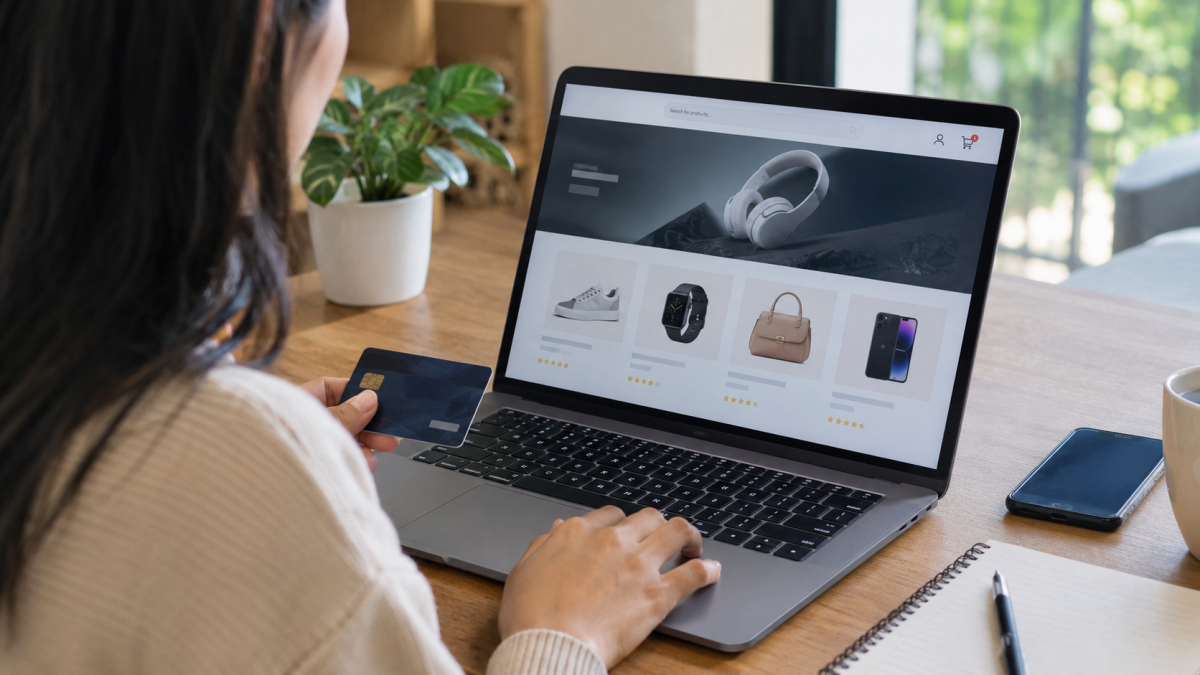
How to spot a fake online store before entering your payment details has become an essential digital survival skill as sophisticated cybercrime networks launch convincing e-commerce replicas daily. While targeted social media ads and deep discounts make impulse buying tempting, distinguishing a legitimate merchant from a rogue storefront protects your hard-earned money and personal identity from harvesting scams.
When auditing digital retail landscapes and reviewing online consumer complaints, cybersecurity researchers notice a stark reality. Scammers have evolved past poorly translated text and broken English; today’s rogue websites feature professional user interfaces, active SSL security certificates, and checkout systems that look indistinguishable from legitimate mom-and-pop shops or global retailers.
If you want to protect your hard-earned money and secure your identity, you need a proactive verification checklist. Here is your step-by-step investigative guide to vetting any online store before you ever hit “Complete Purchase.”
Conduct a Domain Age Audit (WHOIS Lookup)
One of the most reliable predictors of a fraudulent online store is the age of its web domain. Legitimate e-commerce brands build their reputation, SEO history, and customer base over years—sometimes decades. Scammers, conversely, operate on a high-turnover model: they register a cheap domain, run aggressive ad campaigns until payment processors freeze their accounts or consumer protection agencies flag them, and then abandon the site to launch a new one under a different name.
How to Check It:
- Head to a public domain registry lookup tool, such as WHOIS DomainTools or ICANN Lookup. JPG
- Enter the URL of the online store you are investigating. JPG
- Look for the Creation Date or Registration Date. JPG
If the domain was registered just two weeks or three months ago—yet the “About Us” page claims the company has been serving customers since 2018—you are looking at an immediate red flag. Exercise extreme caution with any domain that hasn’t celebrated at least its first full year of operation.
Scrutinize Contact Information and Physical Footprint
A trustworthy business wants its customers to reach out when things go wrong. Whether it’s a sizing question, a shipping delay, or a return request, legitimate retailers provide multiple accessible avenues for communication.
When we evaluate suspicious web shops, the “Contact Us” page is often where the illusion crumbles. Fraudulent sites routinely hide behind anonymous digital barriers.
Warning Signs to Watch For:
- The Ghost Address: The site lists either no physical address at all, or a quick Google search reveals the address belongs to a residential home, an empty lot, or a completely unrelated business (such as a car wash or law firm).
- Free Email Providers: Customer service inquiries are directed to a
@gmail.com,@yahoo.com, or@outlook.comaddress rather than a professional corporate domain matching the store name (e.g.,support@brandname.com). - One-Way Streets: The store provides only an anonymous web contact form or an unresponsive chatbot, with zero telephone numbers or working customer support hotlines.
Analyze Payment Methods and Security Protocols

How an online store processes transactions is a direct window into its financial legitimacy. While seeing an “HTTPS” URL and a padlock icon is essential for basic data encryption, encryption does not equal legitimacy—scammers easily obtain free SSL certificates to make fake sites look secure. True security lies in how your money is handled.
Best Practices for Safe Transactions:
- Prioritize Traceable Processors: Whenever possible, use established payment gateways like PayPal, Apple Pay, Google Pay, or major credit cards. These platforms offer built-in buyer protection policies and straightforward chargeback mechanisms if goods are never delivered.
- Run Away from High-Risk Demands: If a checkout portal insists on payment exclusively via wire transfer (such as Western Union or MoneyGram), cryptocurrency (Bitcoin, USDT), peer-to-peer cash apps without merchant protection, or prepaid gift cards, close the tab immediately. These payment methods offer zero consumer recourse once funds are transferred.
Evaluate Pricing Realities Against Market Value
The oldest rule of commerce remains the sharpest shield against fraud: If an offer seems too good to be true, it almost certainly is.
Scammers know that deep discounts trigger a psychological sense of urgency and fear of missing out. During holiday shopping rushes or clearance seasons, fraudulent ads frequently target shoppers with viral electronics, luxury watches, or designer sneakers marked down by 80% to 90%.
How to Stay Grounded:
- Authorized dealers and brand manufacturers operate within strict wholesale margins. They rarely liquidate high-demand inventory significantly below market value.
- If a newly launched website is selling a $1,200 smartphone or a trending designer handbag for $149 with free shipping worldwide, perform a reverse image search on their product photos. You will frequently find the exact same images stolen from legitimate high-end catalogs or stock photo sites.
Dig Past Homepage Testimonials for Independent Reviews
Never trust the reviews displayed directly on a merchant’s homepage. Rogue storefronts routinely curate fake five-star feedback, complete with stolen stock photos and fabricated customer names.
To gauge true customer sentiment, you must step outside the store’s controlled ecosystem and look for independent consumer verification.
Where to Look:
- Check independent consumer review platforms like Trustpilot or the Better Business Bureau (BBB). JPG
- Search consumer forums and watchdog communities (such as Reddit’s r/Scams) by typing the store’s name or exact URL into the search bar alongside terms like “legit,” “scam,” or “review.”
- Look for patterns of recurring complaints, such as customers reporting that tracking numbers were fake, packages never arrived, or customer support ghosted them the moment a dispute was opened.







 Facebook
 Twitter