
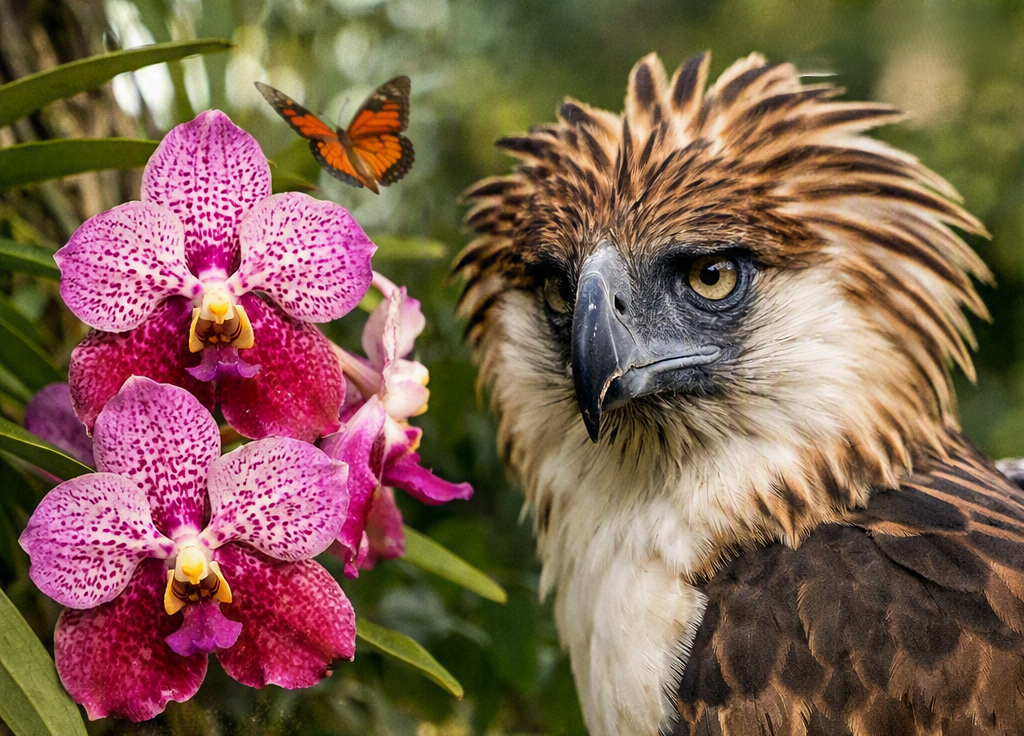
Philippines biodiversity faces increasing pressure from habitat loss, environmental degradation, climate change and other human activities. With its rich ecosystems supporting millions of species and providing food, livelihoods and other resources, protecting the country’s natural environment has become increasingly important for both communities and future generations.
If the wealth of a nation were to be gauged by its natural resources and environment, the Philippines would rank among the richest countries on Earth. Its ecosystems supply vital resources for millions, including seafood, game animals, fodder, fuelwood, timber, and pharmaceutical products. These ecosystems are crucial for economic stability and serve as a significant social safety net for the rural impoverished.
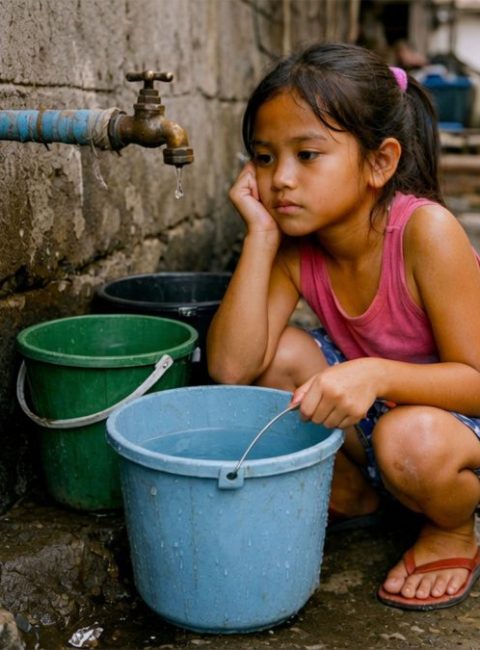
“It is the poor, with limited assets and greater dependence on common property resources, who suffer most when biodiversity is lost,” commented the Manila-based Asian Development Bank.
Biodiversity refers to the variety of life forms, encompassing ecosystems, species, and genetic diversity that together make up the living world. “Biodiversity is complex beyond our understanding, and valuable beyond our ability to measure,” says John C. Ryan, author of Life Support: Conserving Biological Diversity.
The Philippines is recognized as one of the seventeen countries classified as “megadiverse,” collectively representing approximately 60-70 percent of the planet’s total biodiversity. It is concerning that the nation is also categorized as a biodiversity “hotspot,” indicating regions that are under threat yet possess exceptionally high levels of biodiversity.
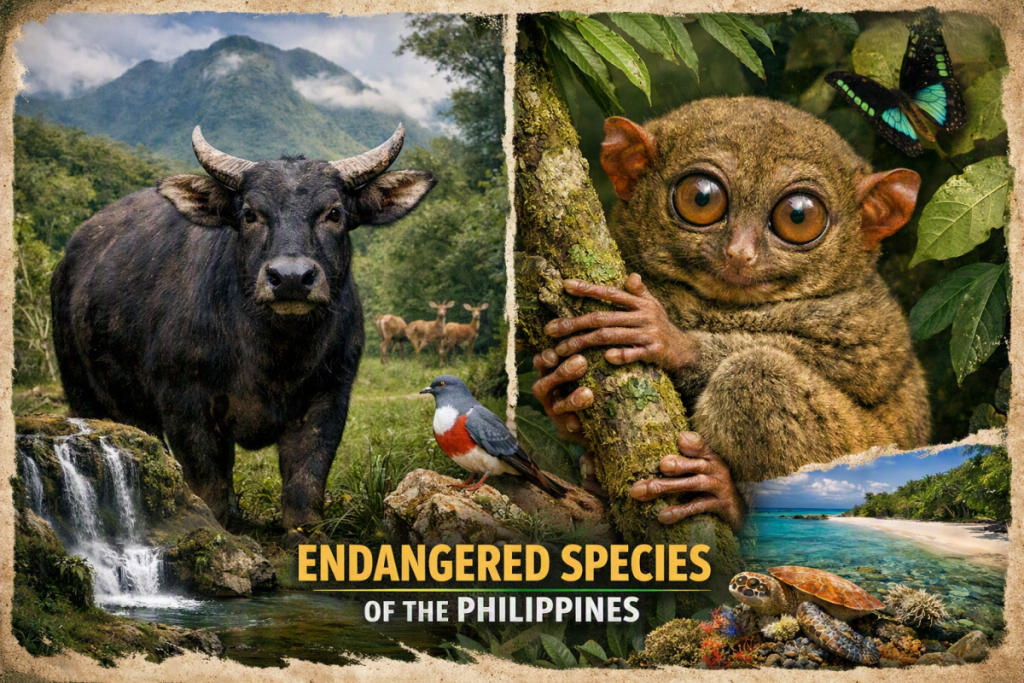
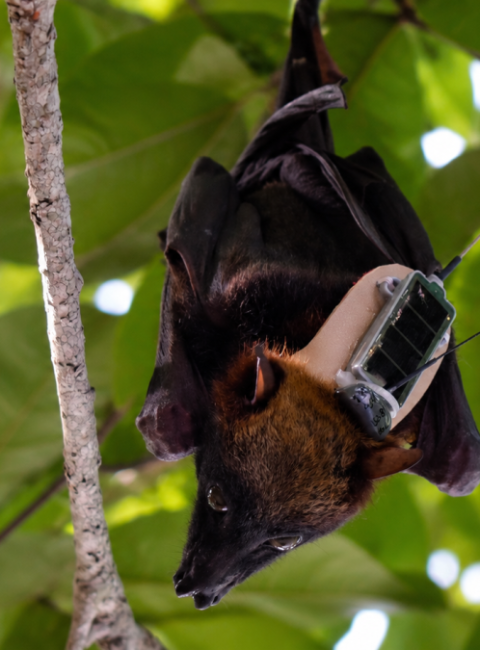
The Philippines is often described as “second only to Brazil” due to its remarkable rates of wildlife endemism. It is estimated to host around two million species, including 8,000 flowering plants, 395 bird species, 180 mammals, and 293 reptiles and amphibians. Its fauna diversity is surpassed only by that of Madagascar.
Mount Makiling in Laguna, for instance, has been found to exhibit greater species diversity than all of North America combined. In 1997, the late renowned zoologist Dioscoro Rabor reported at least 50 mammal species, 120 bird species, six amphibian species, 19 reptile types, and various fish species residing within the forest reserve.
The Philippines boasts one of the highest rates of species discovery globally, with sixteen new mammal species identified in the past decade. Consequently, environmentalists anticipate that the rate of endemism in the country is likely to increase.
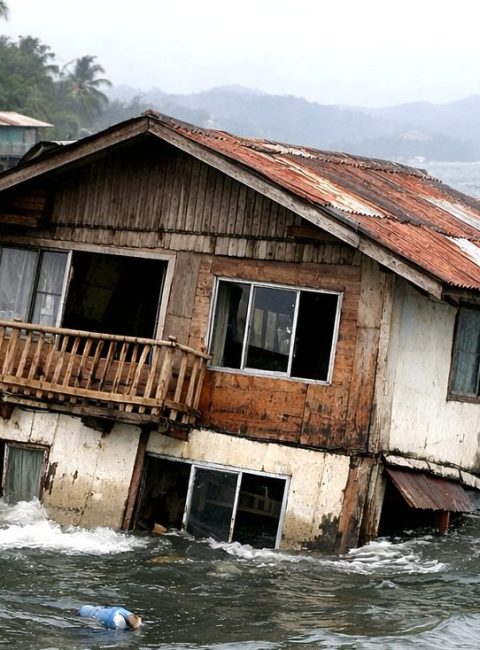
However, conservationists fear that, without immediate intervention, the Philippines hotspot is on the brink of an extinction crisis. In fact, the International Union for the Conservation of Nature and Natural Resources (IUCN) has identified the Philippines as “one of the most endangered of the world’s biodiversity hotspots.”
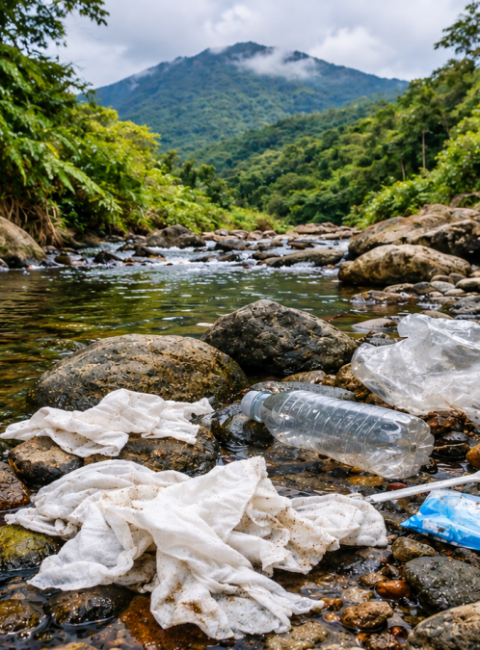
“Widespread destruction and conversion of natural habitats, overexploitation, and pollution have led to rapid biodiversity loss,” said a World Bank report.
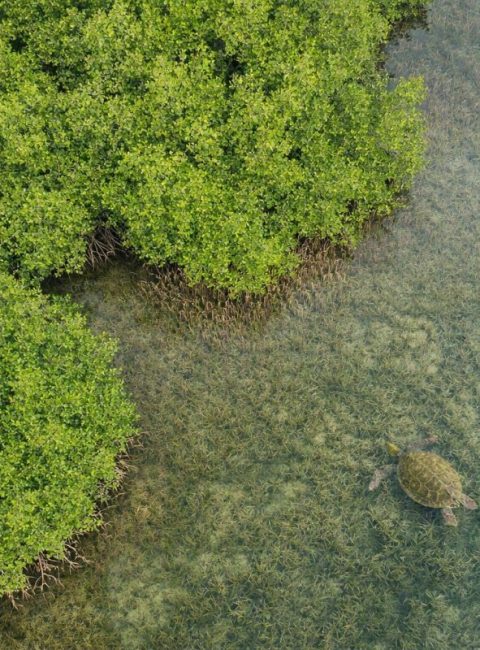
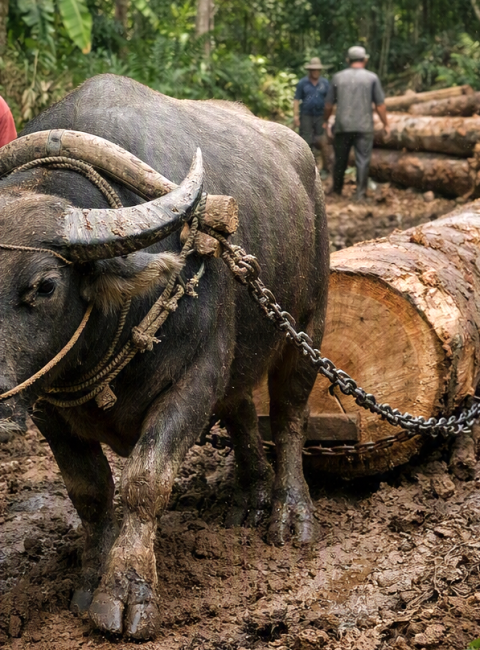
Natural habitats encompass forests, which are estimated to host over half of the country’s biodiversity. Forest coverage has significantly declined from approximately 27 million hectares during the Spanish colonial period and 17.8 million hectares in 1934. Current estimates indicate that forest cover stands at about 7.2 million hectares, including both tree and mangrove canopies.
According to a report by the World Bank, both legal and illegal logging remain significant threats to the forests of the Philippines. Additional pressing dangers to these forests include mining activities and land conversion. Approximately 793,000 hectares, which account for about 2.5% to 2.7% of the nation’s land, are currently under approved mining tenements.
It is noteworthy that all primary forests have been designated as part of the National Integrated Protected Areas System (NIPAS) since 1992, aimed at conserving biodiversity and protecting the environment. The NIPAS encompasses 7.8 million hectares, which is roughly 15.4% of the total land area of the country. The total number of protected areas includes 247, comprising legislated, proclaimed, and initial components.
In light of the aforementioned threats, environmentalists are not surprised to learn that the number of endangered species has risen from 212 in 1990 to 284 in 1998. The trade of 30 species is prohibited under Appendix I of the Convention on International Trade in Endangered Species (CITES), while trade in an additional 109 species is strictly regulated under Appendix II.
The Department of Environment and Natural Resources (DENR) has acknowledged that more than half of the native fauna in the country is at risk of extinction. Out of the 1,137 bird, mammal, and amphibian species endemic to the Philippines, 592 are classified as “threatened or endangered” by the IUCN Red List, in addition to 227 endemic species of flowering plants.
Numerous species are rapidly vanishing. The Philippine eagle, recognized as the second-largest eagle globally and residing in Davao and various regions of Mindanao, is on the brink of extinction. These birds exclusively breed in primary lowland rainforests.
“Once the habitat is destroyed, the inhabitants disappear as well,” remarked Rodolfo Caberoy, curator of the Zoology Division at the National Museum.
The tamaraw, a small water buffalo native to Mindoro, is at risk of extinction, similar to the dodo. According to the environment department, there are an estimated 500 to 600 tamaraws left in the Philippines, with 425 individuals specifically documented in the Mounts Iglit-Baco Natural Park during the most recent count in 2026.
The endemic freshwater crocodile, recognized as the most endangered crocodilian species globally, is also in jeopardy. In 1982, wild populations were estimated to be between 500 and 1,000 individuals; by 1995, only 100 crocodiles were left in their natural environments. Currently, there are approximately 92 to 137 mature adults remaining (and fewer than 250 total individuals, including juveniles) in their natural habitats.
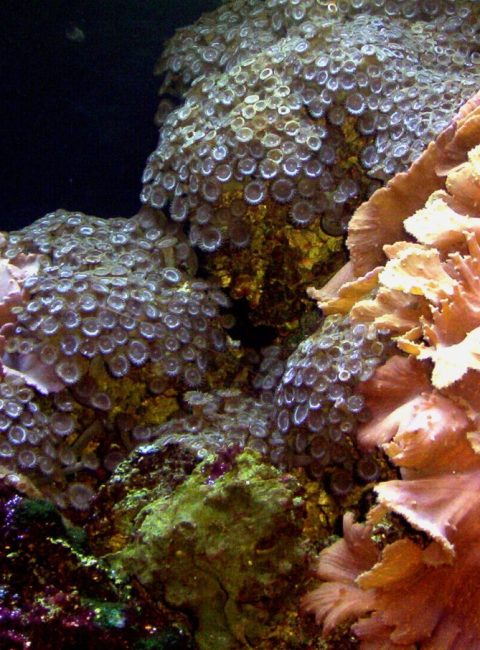
Deforestation is occurring not only in upland and lowland regions but also beneath the water’s surface. Coral reefs, which represent some of the oldest and most diverse ecosystems of flora and fauna, are similarly facing this challenge. They are often referred to as the rainforests of the sea.
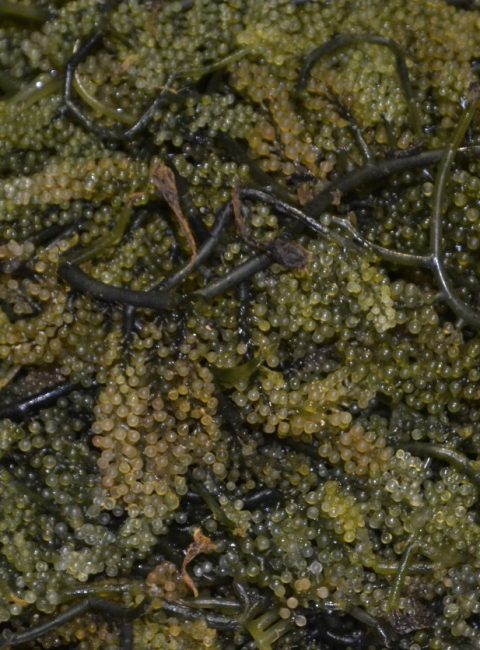
The Philippines boasts one of the largest expanses of coral reefs globally, covering approximately 27,000 square kilometers at depths ranging from 15 to 30 meters. These reefs serve as habitats for rare species, including around 488 species of corals, 971 species of benthic algae, and 2,000 species of fish.
However, coral reefs are disappearing at an alarming rate. The Philippines ranks first among the top ten coral reef hotspots worldwide. According to the World Atlas of Coral Reefs, 97 percent of the country’s reefs are threatened by destructive fishing practices, such as cyanide poisoning and overfishing, as well as by deforestation and urbanization, which lead to harmful sediment runoff into the ocean.
The words of Dr. Lee Talbot, who used the head the Southeast Asia Project on Wildlife Conservation for Nature and Natural Resources, come to mind: “A few decades ago, the wildlife of the Philippines was notable for its abundance; now, it is notable for its variety; if present trend of destruction continues, Philippine wildlife will be notable for its absence.”
Why should disappearing plants and animals concern us? “To biologists, and to many others, the question hardly needs asking: a species if the unique and irreplaceable product of millions of years of evolution, a thing of value for scientific study, for its beauty, and for itself,” explained Ryan in his book. “For many people, however, a more compelling reason to conserve biological diversity is likely to be pure self-interest: like every species, ours is intimately dependent on others for its well-being.”


 Facebook
 Twitter