


A home energy audit helps households identify where electricity is being wasted and which changes can reduce monthly power bills. From inefficient appliances and air-conditioning systems to standby power consumption and unnecessary lighting, everyday household activities can contribute to higher electricity costs. By reviewing utility bills, inspecting appliances, and monitoring energy use, homeowners can prioritize practical improvements based on their budget, comfort, and expected savings.
Understanding Your Household Energy Footprint
Before implementing any changes, establishing a baseline of how energy is consumed within the home is vital. Most households lose a significant percentage of their power to inefficiencies that remain entirely invisible during daily routines. According to research published by the International Energy Agency on residential efficiency, residential energy consumption peaks heavily around heating, cooling, and water heating systems. Analyzing past utility bills allows homeowners to track seasonal spikes, identify abnormal usage patterns, and isolate specific appliances or habits driving up costs. This diagnostic mindset ensures that every subsequent conservation step delivers maximum financial return.
Conducting a DIY Room-by-Room Energy Inspection
Executing a thorough walkthrough of the property uncovers physical leaks, insulation gaps, and outdated equipment that drain power continuously. Starting with the living areas and bedrooms, inspect windows and doors for drafts where conditioned air escapes. Weatherstripping and caulking represent low-cost, high-impact fixes that drastically reduce the workload on climate control systems. Moving into the kitchen, evaluate the efficiency ratings of major appliances such as refrigerators, dishwashers, and ovens. Refrigerators operating with worn door gaskets or dirty condenser coils consume excessive electricity to maintain internal temperatures, directly inflating monthly utility statements.
Optimizing Heating, Cooling, and Climate Control
Climate control typically constitutes the largest single component of any residential electricity bill. Modern smart thermostats revolutionize this domain by learning household schedules and automatically adjusting temperatures when rooms are unoccupied. Maintaining air conditioning units involves more than just setting a comfortable temperature; routine maintenance plays a critical role. Dirty air filters restrict airflow, forcing HVAC systems to work harder and draw more power. Replacing filters monthly and scheduling professional servicing annually ensures peak operational efficiency, extending equipment lifespan while driving down energy draw.
Eliminating Phantom Loads and Vampire Power Draws
One of the most insidious contributors to high electricity bills is phantom load, also known as standby power. Countless electronic devices—including televisions, gaming consoles, microwave ovens, and phone chargers—continue drawing electricity even when turned off or placed in standby mode. Research from the Lawrence Berkeley National Laboratory on standby power highlights that phantom loads account for up to ten percent of a typical home’s residential electricity consumption. Mitigating this hidden waste is remarkably simple: plugging entertainment centers and office equipment into smart power strips completely cuts power to idle devices when not in use, creating instant, passive savings.
Upgrading to High-Efficiency Lighting and Fixtures
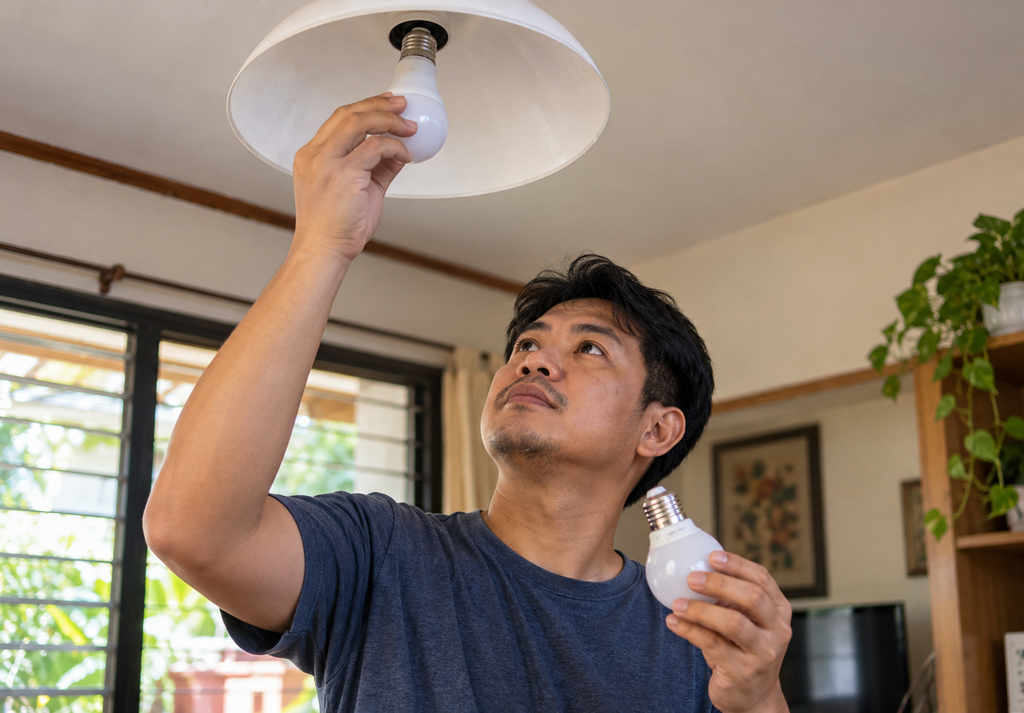
Lighting habits and bulb selections heavily influence overall power consumption. Traditional incandescent bulbs convert a mere fraction of the electricity they draw into light, wasting the vast majority as heat. Transitioning entirely to modern Light Emitting Diode (LED) technology delivers an immediate reduction in lighting-related energy use. LED bulbs consume up to 90% less energy than traditional incandescent options and last significantly longer. Furthermore, integrating motion sensors, smart dimmer switches, and automated timers ensures that lights never remain active in unoccupied hallways, storage rooms, or outdoor perimeters.
Harnessing Natural Light and Passive Thermal Design
Reducing reliance on mechanical cooling and artificial illumination begins with thoughtful passive design strategies. Strategic window treatments, such as reflective films, insulated curtains, and exterior awnings, block intense solar heat gain during peak afternoon hours. By preventing heat from penetrating the living space, air conditioning units operate less frequently. Conversely, opening north-facing windows during cooler morning hours promotes natural cross-ventilation, clearing stale indoor air and maintaining comfortable indoor temperatures without mechanical intervention.
Evaluating Water Heating Efficiency
Water heating represents another major household energy consumer, often trailing only behind HVAC systems. Lowering the water heater thermostat from the standard factory setting down to a safe and efficient level prevents scalding while saving substantial energy. Insulating older water heater storage tanks and wrapping accessible hot water pipes with foam sleeves prevents thermal standby losses. Additionally, installing low-flow aerators on bathroom and kitchen faucets reduces hot water volume consumption without sacrificing water pressure, compounding energy and water savings simultaneously.
Integrating Smart Home Automation for Continuous Savings
Leveraging modern smart home technology elevates energy management from a manual chore to an automated routine. Smart plugs, automated climate schedules, and centralized energy monitoring apps provide real-time visibility into power consumption trends across individual circuits and appliances. Monitoring tools empower homeowners to identify power spikes instantly and adjust usage habits accordingly. Setting automated routines ensures that lights, entertainment systems, and auxiliary appliances power down completely overnight or when residents are away, guaranteeing sustained long-term efficiency.
Long-Term Investments for Sustainable Energy Independence
While behavioral adjustments and low-cost fixes yield immediate financial relief, major structural upgrades deliver permanent energy security. Transitioning to ENERGY STAR certified appliances, upgrading attic insulation to recommended thermal resistance levels, and installing double-glazed windows radically minimize energy loss. For homeowners seeking ultimate independence, investing in residential solar photovoltaic systems transforms the property from a passive energy consumer into an active power generator. By combining rigorous daily audits, mindful energy habits, and strategic efficiency upgrades, households achieve lasting financial savings and environmental sustainability.










 Facebook
 Twitter