
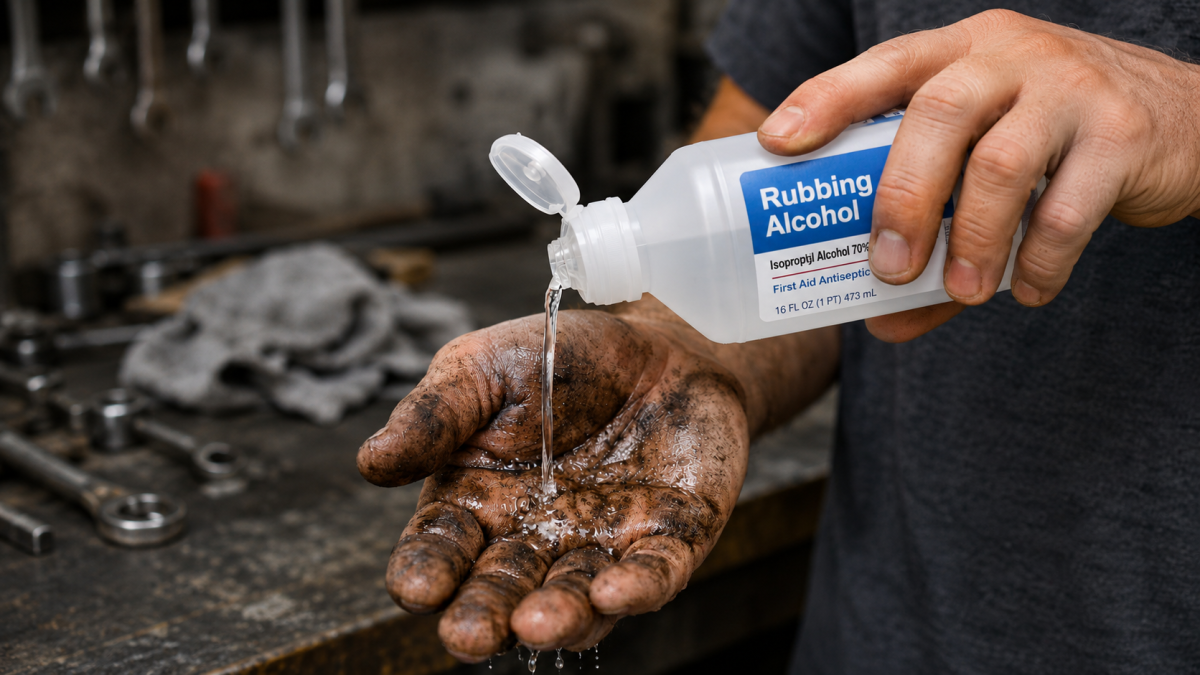
Should you apply rubbing alcohol to an open wound? While rubbing alcohol is widely used as a disinfectant for surfaces and medical equipment, healthcare experts generally advise against using it directly on open wounds. Understanding the proper way to clean cuts and injuries can help reduce infection risk and support faster healing.
Rubbing alcohol is a common item found in many medicine kits or cabinets, primarily consisting of alcohol mixed with water, often with minor additives to deter ingestion and enhance usability.
According to Wikipedia, rubbing alcohol generally contains between 70% and 99% alcohol by volume, with the remainder primarily being water. There are essentially two main types of rubbing alcohol.
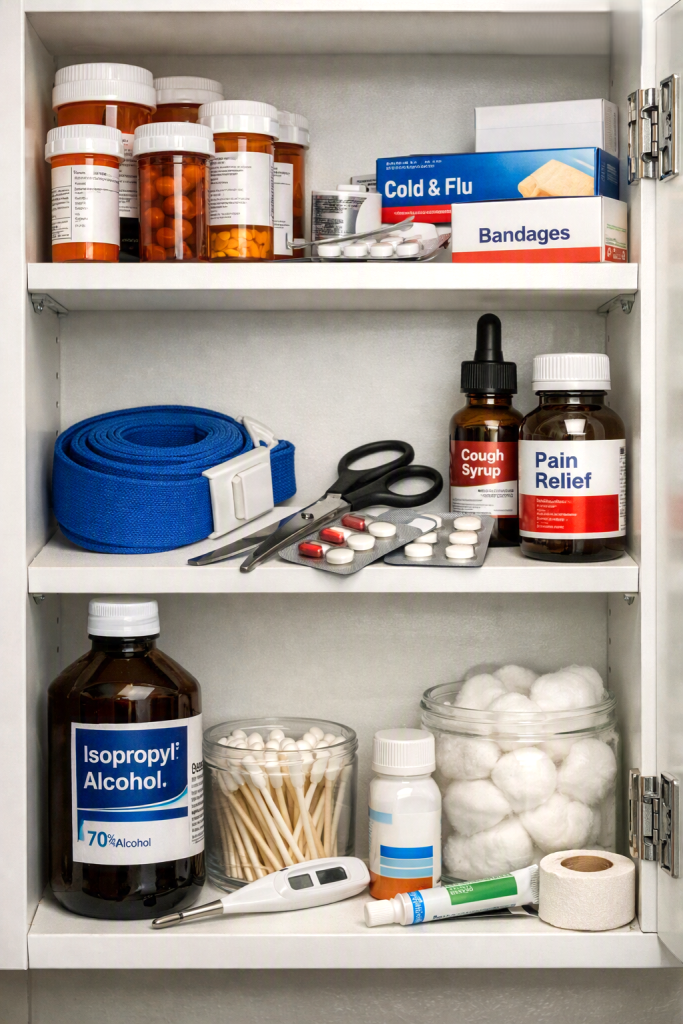
The first is isopropyl alcohol, which is the most prevalent form in North America. This colorless, flammable liquid effectively eliminates bacteria, viruses, and fungi by denaturing proteins and disrupting cell membranes.
The second type is ethanol, or ethyl alcohol. This variant is frequently denatured with bitter agents or other chemicals to render it undrinkable, while ethanol-based rubbing alcohol also functions as a disinfectant.
In certain cases, some formulations of rubbing alcohol may contain small quantities of fragrances, bittering agents, or other chemicals. These additives are intended to make the solution unpalatable to prevent accidental ingestion and may also enhance the scent or skin tolerability.
Typically, when an individual sustains a wound, the initial step should be to cleanse the affected areas.
“Cleaning wounds is an essential part of managing injuries caused by any reason, from acute trauma to chronic wounds,” explains Vinmec, dedicated to academic healthcare for people at local and global scales through innovation research and breakthroughs that lead to clinical excellence and value-based care solutions.
“Proper wound care means preventing and controlling local microbial contamination, reducing the risk of infection, and avoiding harmful effects on the wound healing process,” Vinmec further states in its website.
In this regard, topical antiseptics are essential. These antimicrobial substances function by eliminating, inhibiting, or decreasing the presence of microorganisms, and are deemed crucial for preventing wound infections.
The most frequently utilized and recognized antiseptic for wound cleaning is rubbing alcohol.
“Alcohol is classified as a Type I antiseptic, which is safe and effective not only for wounds but also for healthcare workers to wash hands or prepare the skin of patients before surgery,” Vinmec states.
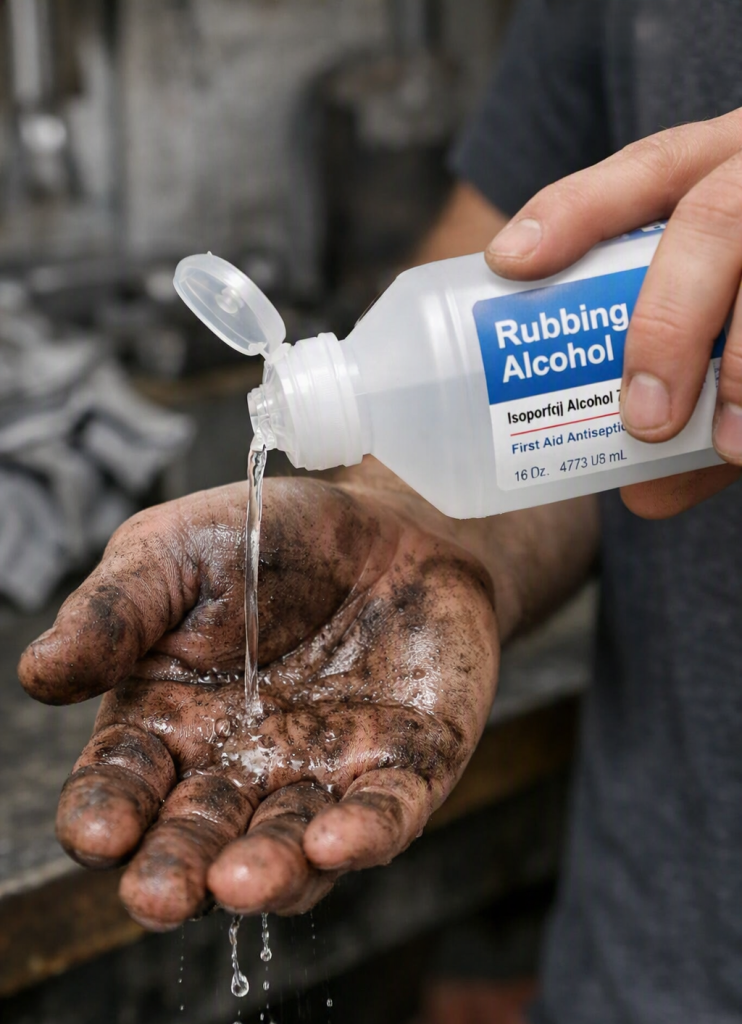
However, is it acceptable to apply rubbing alcohol to an open wound? WebMD advises against this practice on its website. It states that applying rubbing alcohol to an open wound is strongly discouraged.
Although these substances can eliminate bacteria, WebMD indicates that they also damage the exposed tissue and destroy healthy cells that are crucial for the healing process. This can prolong healing and potentially lead to increased scarring. Therefore, it is advisable to utilize alternative methods that can eradicate bacteria from the wound without inflicting further harm.
Instead of using alcohol, it is recommended to gently clean wounds with cool running water and mild soap, as suggested by themaplesrehab.com.
To remove debris, sterile tweezers may be utilized. Following the cleaning process, applying a thin layer of petroleum jelly or a topical antibiotic ointment and covering the area with a non-stick bandage can help maintain a moist environment, which promotes quicker healing and minimizes scarring.
Meanwhile, WebMD advises rinsing the cut for a minimum of five minutes to effectively eliminate any debris or bacteria. It is important to note that this guidance is applicable only to minor cuts that have ceased bleeding.
In the case of larger, deeper wounds that are actively bleeding, it is essential to seek immediate medical attention.










 Facebook
 Twitter