
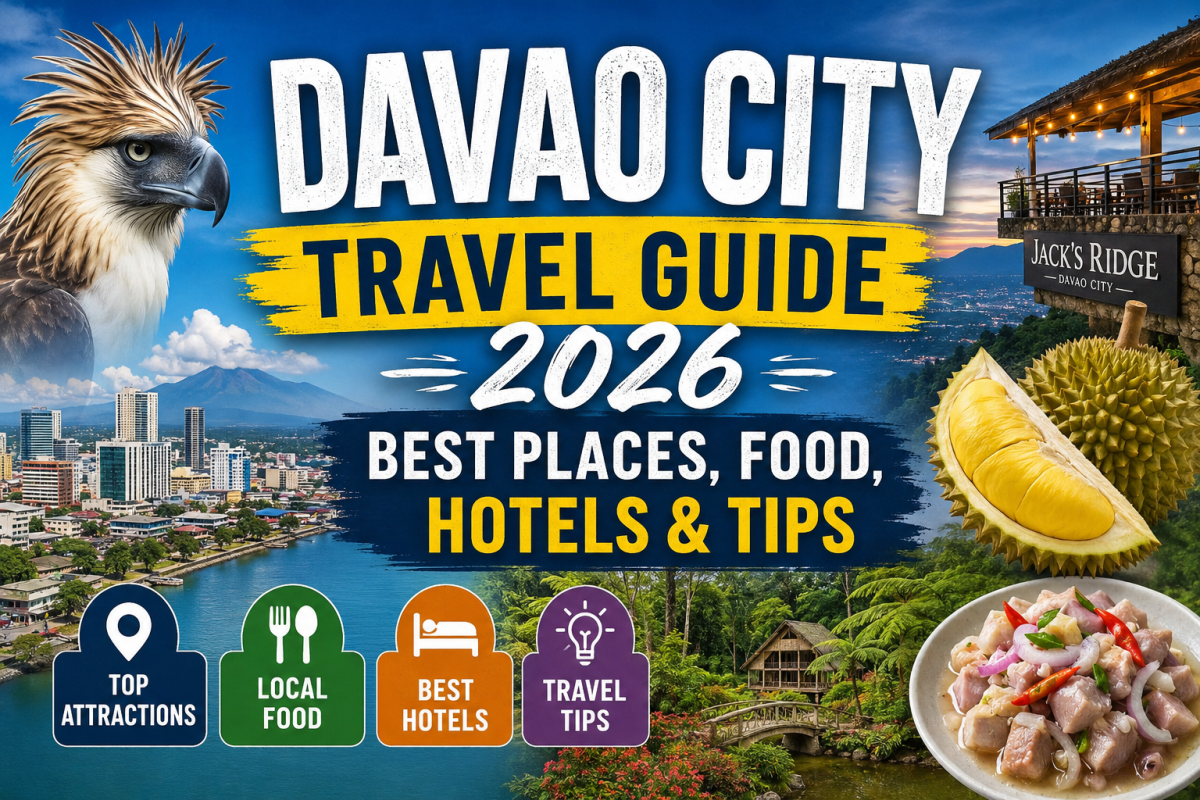
Davao City travel guide planning is easier when you understand how the city’s attractions are spread across urban districts, mountain areas and nature destinations. Davao combines parks, museums, markets, restaurants, wildlife attractions and outdoor experiences, giving first-time visitors plenty of options even on a short trip.
This Davao City Travel Guide 2026 covers the places worth prioritizing, local food to try, hotel options, transportation, estimated expenses and a practical three-day itinerary. The goal is not simply to list attractions, but to help travelers decide what fits their time, budget and interests.
Davao City’s official tourism website lists attractions across parks, resorts, museums, agri-tourism destinations and amusement facilities, reflecting how much the city offers beyond conventional sightseeing.
For a first visit, it helps to think of Davao in two broad experiences: the urban and cultural side, where you can explore parks, churches, markets and restaurants, and the nature and adventure side, where attractions are more spread out toward areas such as Calinan and Toril.
One of the city’s biggest advantages is variety. You can spend a morning visiting a conservation center, have a local lunch, explore the city in the afternoon and finish the day at a night market or hillside restaurant.
Best Places to Visit in Davao City
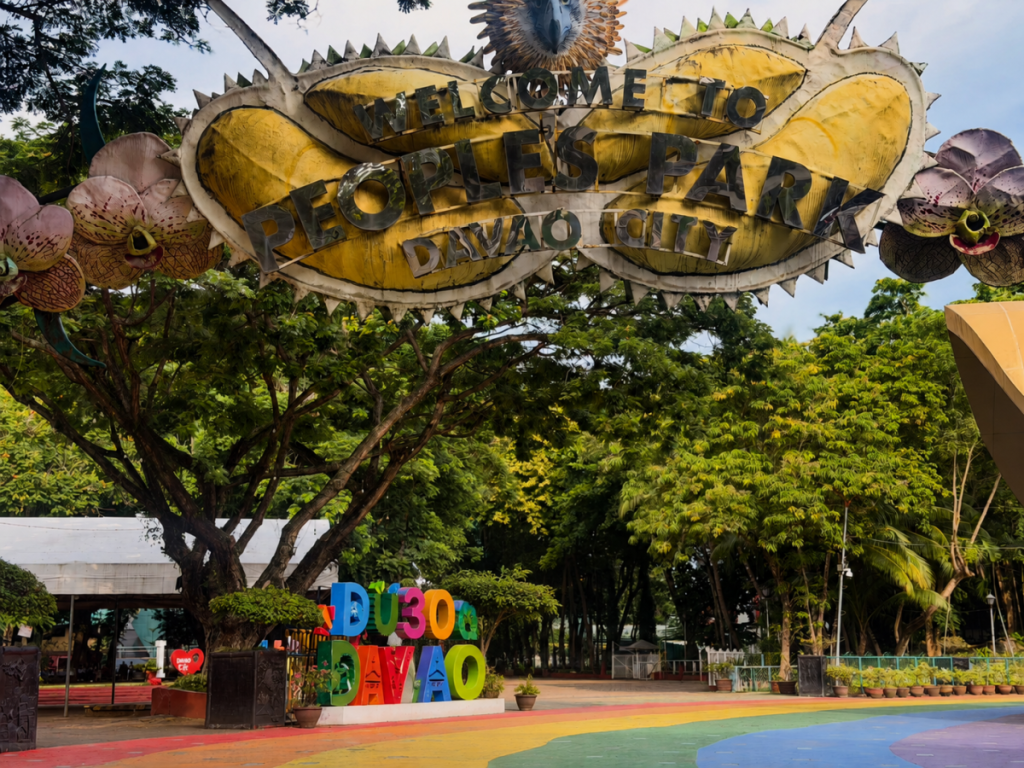
People’s Park is a convenient starting point for travelers who want to experience Davao’s urban side without immediately committing to a long trip outside the city center. The four-hectare cultural-theme park features landscaped areas, a mini-forest, man-made waterfalls and a dancing fountain. It is particularly suitable for families and travelers looking for a relaxed stop between other city attractions.
San Pedro Cathedral is another worthwhile stop for visitors interested in the city’s history and religious heritage. Its location makes it relatively easy to combine with other central-city destinations. Rather than treating it as a standalone attraction, consider including it as part of a walking or short-drive city tour.
Museo Dabawenyo is a better choice for travelers who want context about Davao’s cultural heritage rather than spending the entire trip taking photographs at tourist spots. Museums can also provide useful background before visiting other cultural destinations.
For wildlife and conservation, the Philippine Eagle Foundation in Malagos is one of the most distinctive destinations to include in a Davao itinerary. The foundation focuses on Philippine Eagle conservation, biodiversity protection, research, education and forest conservation. It is located in Malagos, Calinan, so visitors should allow additional travel time rather than trying to squeeze it into a tightly packed downtown schedule.
The attraction is especially worthwhile for families and travelers interested in wildlife because the visit provides more context about conservation rather than simply displaying animals. The foundation traces its conservation work back decades and has played a major role in efforts to protect the Philippine Eagle and its habitat.
Eden Nature Park offers a very different experience. Located in Barangay Eden in Toril, the mountain resort is known for its cooler environment, pine trees, landscaped grounds and nature-oriented activities. The official Davao tourism listing describes the property as an 80-hectare resort with mountain scenery, cultural elements and food experiences.
Because Eden is outside the central business districts, it works better as a dedicated half-day or full-day trip rather than something added between several downtown attractions.
For families and travelers who enjoy animal attractions, Davao Crocodile Park is another option. Located along Diversion Road in Ma-a, the attraction combines crocodile displays with other wildlife and educational activities. The city’s tourism website describes its purposes as including tourism, education, conservation awareness and wildlife-related learning.
If you’re looking for an evening destination with a different atmosphere, Jack’s Ridge in Shrine Hills is worth considering. Its elevated location makes it suitable for travelers looking for dining and city views after a day of sightseeing. The official tourism listing places it in Matina Crossing.
Travelers should also remember that Davao City is geographically large. Not every attraction should be placed into the same day simply because they appear close together on a list. A better strategy is to group destinations by area and leave enough time for traffic, meals and unexpected delays.
What Food Should You Try in Davao?
Food is one of the easiest ways to make a Davao trip feel different from a standard city vacation. Durian is the obvious starting point, but limiting Davao’s food identity to one fruit would miss much of what the city has to offer.
Durian is closely associated with Davao and is worth trying in season if you are comfortable with its strong aroma and distinctive creamy texture. Visitors who do not enjoy fresh durian can also look for processed versions such as candies, pastries, desserts and other local products.
Pomelo is another Davao favorite and generally offers a much milder introduction to local fruit. It can be enjoyed fresh or purchased as a take-home product.
For savory food, try kinilaw, a preparation of fresh fish cured with an acidic mixture and commonly paired with local ingredients. Davao’s proximity to fishing areas also makes seafood an important part of the city’s food culture.
Davao’s food scene extends well beyond traditional dishes. The city has restaurants, cafés, refreshments shops and night-market food, giving visitors plenty of choices at different price points. The city government launched a Davao Food Crawl in 2026 featuring homegrown establishments and food traditions, showing the growing emphasis on culinary tourism.
Roxas Night Market is one practical option for travelers who want to experience street food and evening activity. The city’s tourism website currently lists the market along Roxas Avenue in the Poblacion District, with operating hours listed as 6 p.m. to midnight. Visitors should still check current operating conditions before going because schedules and individual vendors can change.
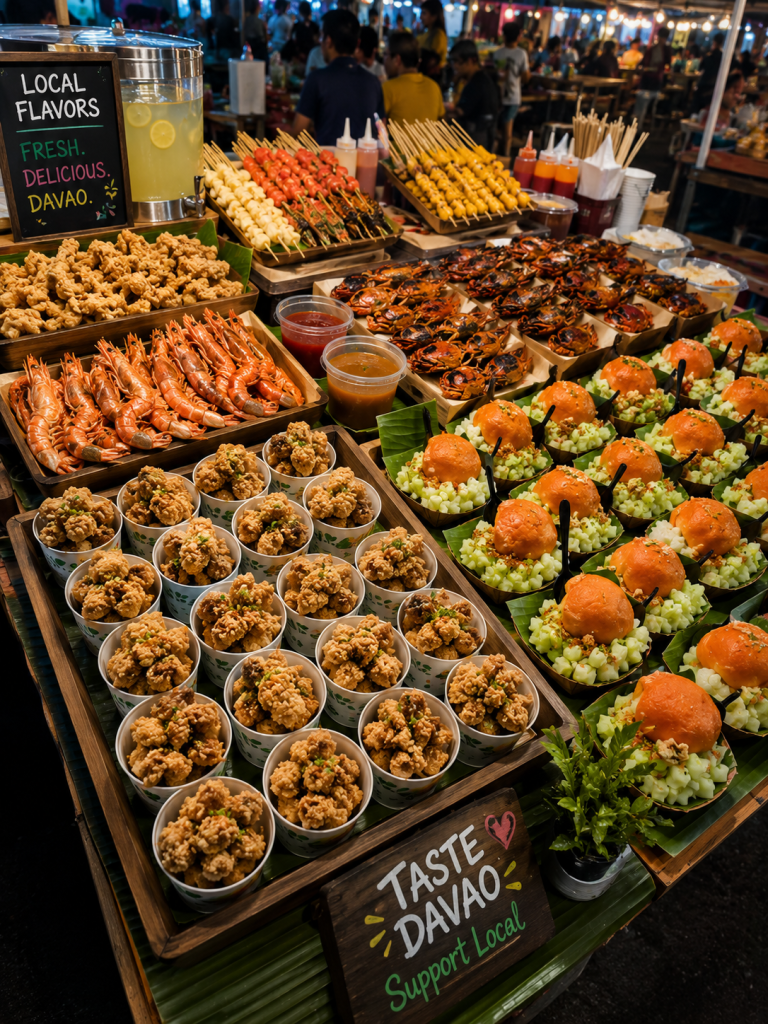
A useful strategy is to avoid spending the entire food budget on restaurants. Have one or two planned local meals, try a night market or casual eatery, and leave room for fruit and snacks. This gives you a broader taste of Davao without turning every meal into an expensive dining experience.
Where to Stay in Davao City
Choosing the right hotel can make a bigger difference to your itinerary than choosing the most popular attraction. Davao City is spread out, so travelers should consider location as well as room price.
For visitors who want access to shopping, restaurants and business districts, Seda Abreeza Hotel is one option in Bajada. The Davao tourism directory lists it along J.P. Laurel Avenue and identifies transportation options including taxis, jeepneys and private cars.
Park Inn by Radisson Davao is another convenient choice for travelers who prefer staying near the Lanang area. The city’s tourism directory lists it within the SM Lanang Premier complex along J.P. Laurel Avenue.
Acacia Hotel Davao is also in the Lanang area along J.P. Laurel Avenue and can suit travelers who want accommodation near the northern part of the city’s commercial corridor.
Budget-conscious travelers have many other options, including inns, hostels and smaller hotels. The city’s official tourism directory contains a broad accommodation listing, including tourist inns and other lodging establishments.
Rather than choosing a hotel solely because it has the lowest nightly rate, calculate the total trip cost. A cheaper room far from your planned attractions can result in higher transportation expenses and longer travel times.
For a three-day trip focused on central attractions, food and shopping, staying closer to the city center or major commercial districts can be convenient. If your priority is a nature resort such as Eden, consider whether a dedicated day trip makes more sense than changing hotels.
Hotel rates vary substantially by date, room type, promotions and demand, so travelers should check current rates before booking instead of relying on a fixed price quoted in an older travel guide.
How to Get Around Davao City
Transportation planning is particularly important because Davao City covers a large area.
Taxis, jeepneys and private vehicles are among the transportation options listed by the city’s tourism office for various attractions.
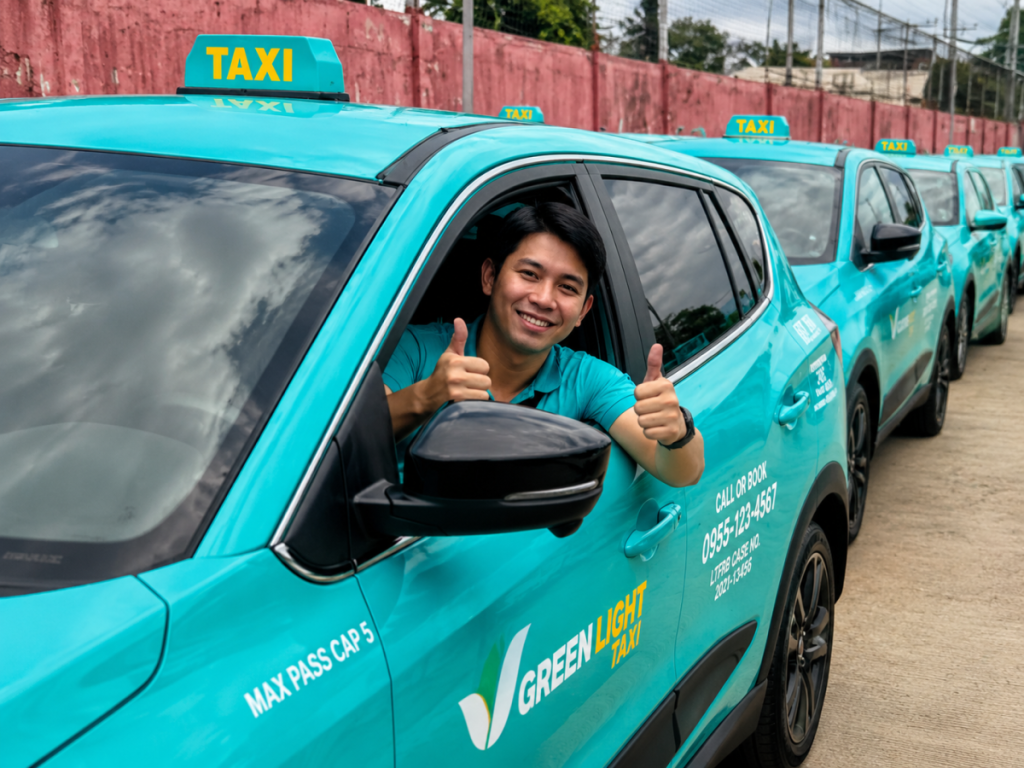
Ride-hailing is another convenient option for visitors who want door-to-door transportation. In 2026, Davao also saw the formal launch of RideIt, a homegrown ride-hailing service that received LTFRB approval and operates within Davao City.
For tourists unfamiliar with local routes, ride-hailing or taxis can be particularly useful when traveling between several attractions. Public transportation can be more economical, but visitors should allow extra time and confirm routes before setting out.
One of the best transportation tips for first-time visitors is to group attractions geographically. For example, don’t schedule an early-morning destination in Calinan, return to downtown for lunch, travel to Toril for the afternoon and then go back north for dinner unless you have a specific reason to do so.
How Much Should You Budget for a Davao Trip?
Your Davao travel budget depends heavily on your hotel, transportation choices and dining preferences.
For a budget traveler, a reasonable planning approach is to separate expenses into four categories:
| Expense | Budget Planning Approach |
|---|---|
| Accommodation | Choose a room based on location and total trip cost |
| Food | Mix local eateries, markets and restaurants |
| Transportation | Allow more for longer trips to nature attractions |
| Activities | Check current entrance fees before visiting |
Instead of publishing supposedly exact prices that may become outdated, calculate your budget using the actual hotel rate and attraction fees applicable to your travel dates.
For example, a traveler can create a daily budget by adding:
Hotel + meals + transportation + attraction fees + emergency allowance
If you are traveling as a couple and sharing a hotel room, accommodation per person can be considerably lower than traveling alone. Families should also consider whether private transportation becomes more practical when several people are traveling together.
A useful rule is to keep 10% to 15% of your planned travel budget unallocated for unexpected transportation, additional meals, souvenirs or changes to the itinerary.
Best Time to Visit Davao City
Davao can be visited throughout the year, but weather conditions should still be considered when planning outdoor activities.
If your itinerary depends heavily on mountain destinations, gardens, outdoor resorts or other nature experiences, check the weather forecast before leaving and keep some flexibility in your schedule.
Travelers interested in experiencing one of Davao’s biggest cultural celebrations may also consider the Kadayawan Festival, but festival-period travel can mean increased demand for accommodation and transportation.
The best travel period ultimately depends on what you want to do. A food-and-city trip can be more flexible, while an itinerary centered around outdoor attractions needs more attention to weather.
A Practical 3-Day Davao City Itinerary
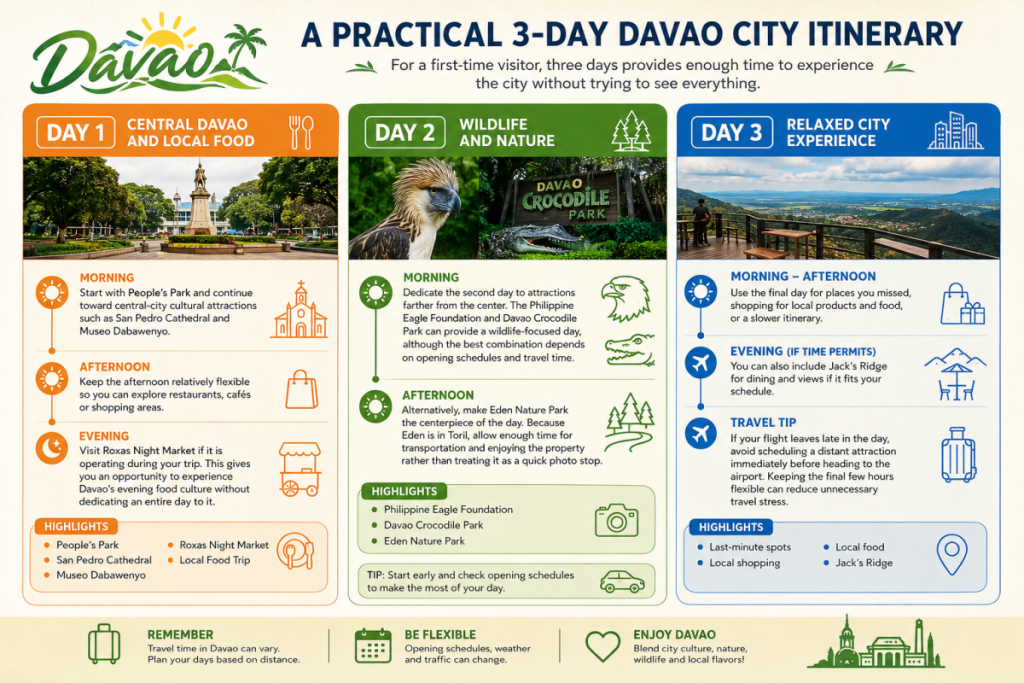
For a first-time visitor, three days provides enough time to experience the city without trying to see everything.
Day 1: Central Davao and local food
Start with People’s Park and continue toward central-city cultural attractions such as San Pedro Cathedral and Museo Dabawenyo. Keep the afternoon relatively flexible so you can explore restaurants, cafés or shopping areas.
In the evening, visit Roxas Night Market if it is operating during your trip. This gives you an opportunity to experience Davao’s evening food culture without dedicating an entire day to it.
Day 2: Wildlife and nature
Dedicate the second day to attractions farther from the center. The Philippine Eagle Foundation and Davao Crocodile Park can provide a wildlife-focused day, although the best combination depends on opening schedules and travel time.
Alternatively, make Eden Nature Park the centerpiece of the day. Because Eden is in Toril, allow enough time for transportation and enjoying the property rather than treating it as a quick photo stop.
Day 3: Relaxed city experience
Use the final day for places you missed, shopping for local products and food, or a slower itinerary. You can also include Jack’s Ridge for dining and views if it fits your schedule.
If your flight leaves late in the day, avoid scheduling a distant attraction immediately before heading to the airport. Keeping the final few hours flexible can reduce unnecessary travel stress.
Practical Tips for First-Time Visitors
Check attraction schedules before leaving your hotel. Even destinations that appear to have regular hours online can change their schedules for maintenance, private events, holidays or other circumstances.
Don’t underestimate travel time. Davao’s size means two attractions that look simple to combine on paper may take considerably longer once transportation and traffic are considered.
Bring comfortable footwear if your itinerary includes parks, outdoor attractions or walking-heavy areas. Carry water, especially when spending time outdoors.
For food, try local specialties but start with smaller portions if you’re unfamiliar with ingredients such as durian or unfamiliar preparations. This lets you explore more dishes without wasting food.
For accommodation, book according to your itinerary rather than choosing a hotel based solely on its room rate. The most convenient location can sometimes save more money and time than a slightly cheaper room.
Travelers should also check current attraction admission fees, hotel rates and operating schedules before departure. Davao’s City Tourism Operations Office provides tourism information and maintains an official tourism website with listings for attractions, accommodations and restaurants.
The city also began implementing tourism-related registration and renewal requirements for 2026, covering establishments such as hotels, resorts, tour operators and tourist transport providers. When possible, travelers can prioritize properly registered tourism establishments.
Davao City is best experienced without trying to force every attraction into one trip. A well-planned three-day visit can combine the city’s parks and cultural sites with wildlife, nature and local food, while longer stays allow more time for destinations outside the central districts.
The most important thing is to plan around location and travel time, not just the number of places on your itinerary. Choose a hotel that fits your route, reserve time for local food, verify current attraction schedules and leave room for unexpected changes.
For travelers visiting in 2026, Davao offers a particularly broad mix of urban experiences, conservation tourism, mountain destinations and local cuisine. The city’s tourism office itself now promotes specialized tourism circuits, including food and community-centered experiences, reflecting the city’s effort to offer visitors more than conventional sightseeing.
Whether you’re visiting for a weekend, a family vacation or a longer Mindanao trip, the best Davao City Travel Guide 2026 is ultimately one that leaves enough flexibility to experience the city at a comfortable pace rather than turning the trip into a race from one attraction to another.







 Facebook
 Twitter